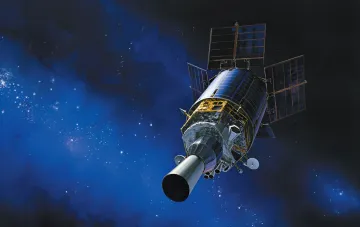
Google is preparing for its first orbital experiment as part of the ambitious Suncatcher project, aimed at testing the feasibility of hosting artificial intelligence computing infrastructure in space. During the upcoming mission, the tech giant will evaluate how specialized TPU (Tensor Processing Unit) accelerators withstand launch loads, space radiation, and extreme temperature fluctuations in a vacuum environment.
Mission Details and Equipment Launch
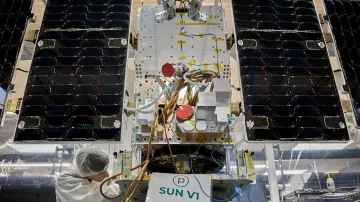
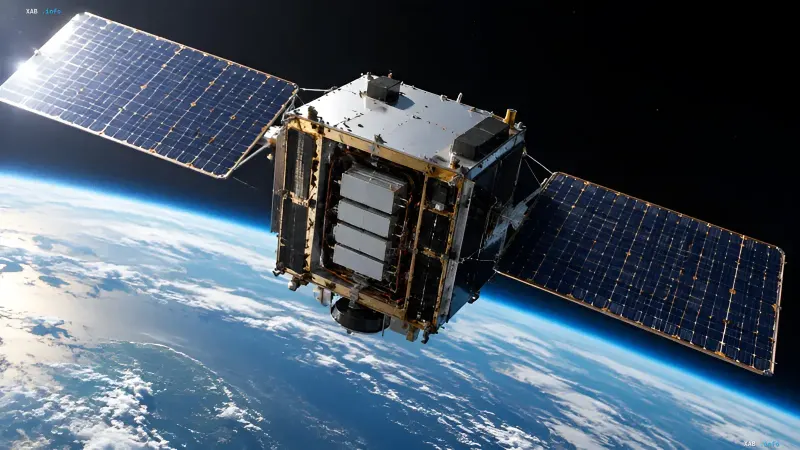
The experimental hardware launch is scheduled for October 1 as part of the SpaceX Transporter-18 mission. A Falcon 9 rocket is set to liftoff from Vandenberg Space Force Base in California. Developed in partnership with Planet, the satellite will serve as a testbed for four Google TPU accelerators, which the company typically uses in its data centers for machine learning and AI workloads.
Engineering Challenges and Cooling Systems
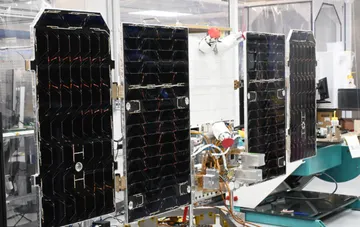
The primary engineering hurdle is thermal management in a vacuum where air is absent to dissipate heat. The satellite's solar panels will generate about 1 kW of power, sufficient for short computational tests including Gemini models. Due to specialized cooling constraints using aluminum and copper elements linked to a radiator panel, continuous operation is impossible: TPUs will run computations for only 15 minutes at a time before requiring a cooldown period.
Radiation Resistance and Future Prospects
Beyond thermal loads, space radiation poses a severe threat by causing bit-flip errors in memory electronics. Ground tests demonstrated high resilience against proton beams, but the orbital test will track actual chip performance in space. Google views this launch as a stepping stone toward orbital computing infrastructure, with a more advanced two-satellite laser communication test still slated for 2027.
Controversial Data
Open sources and earlier corporate roadmaps revealed certain discrepancies regarding the timeline of the space program. Initially, the corporation intended to begin checking onboard equipment only in 2027. However, management decided to accelerate the process and conduct an interim test launch in October 2026, adjusting the general roadmap without canceling key targets for subsequent periods.