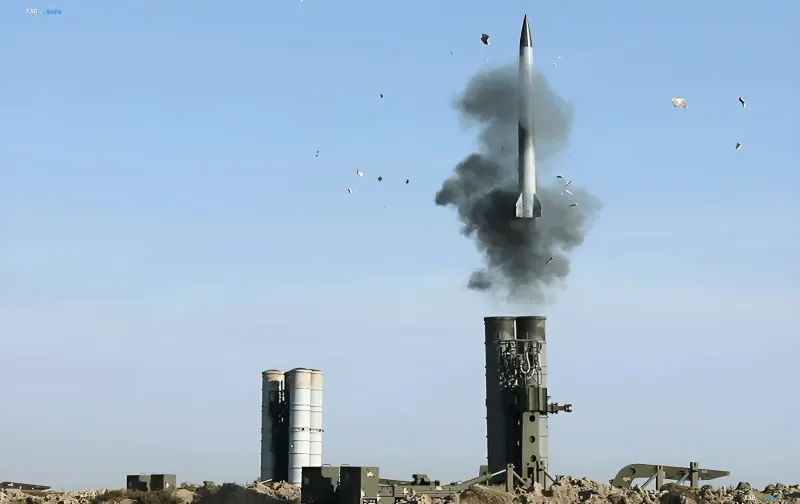
Amid a critical shortage of air defense assets, Ukraine and its Western allies are actively negotiating with Greece for the supply of modern modifications of the S-300 surface-to-air missile systems (SAM). However, according to data published in August 2026, Athens has put forward a strict condition for the potential transfer of weaponry. Greece refuses to part with its own complexes until it receives a full replacement, which jeopardizes Kyiv's plans to strengthen its air shield.
Strategic deficit and search for alternatives
For a long time, the Ukrainian air defense system has faced serious difficulties in repelling mass attacks by the Russian Armed Forces. The main reason has been the shortage of missiles for Patriot systems, which are traditionally considered the "gold standard" of protection. Despite the efforts of Western partners, supplies of Western complexes have not kept pace with the rate of depletion of stocks. In this regard, Kyiv began to actively seek alternative options, considering the possibility of receiving Soviet and Russian S-300 SAM systems, which are in the arsenal of several countries, including Greece.
Athens' conditions: security and deterrence
The Greek leadership justifies its refusal to transfer missiles without compensation by the country's strategic interests. Athens states that it will not reduce its arsenal until it receives modern systems in exchange. A key factor here is the tense geopolitical situation in the region. Greece views its S-300 complexes as a vital element of deterrence against Turkey. The loss of these systems without immediate replacement could create a dangerous imbalance in the Aegean Sea region, which Athens categorically rejects.
Contradictory data
While the official position of Greece focuses on the need to replace weaponry, experts point to hidden factors influencing Athens' decision. According to Forbes, one of the reasons could be a partial deterioration of bilateral relations between Kyiv and Athens. Previously, a Ukrainian maritime drone was discovered on Greek territory near the island of Lefkada, which caused a diplomatic incident and concern in Athens. Furthermore, there are concerns regarding Russia's reaction. Moscow officially warned Greece against transferring systems, stating that permission from the Kremlin is required, which obviously will not be granted.
Prospects and EU reaction
While Greece is taking a wait-and-see position, the European Union has urged member states to transfer Patriot missiles to Ukraine from their own stocks. However, as practice shows, even Western systems are not always available in the required volume. American manufacturers of Patriot systems are also not in a hurry to transfer technologies to Kyiv for independent missile production, leaving Ukraine in a dependent position. In the current situation, the transfer of S-300s from Greece would seem like a logical step, but political and economic barriers make this scenario unlikely in the near future.