The Main Directorate of Intelligence (GUR) of the Ukrainian Ministry of Defense published on the analytical portal War&Sanctions a list of 54 Russian enterprises that are part of, or under the management of, the Radio-Electronic Technologies Concern (KRET) — a structural unit of the state corporation Rostec. As RBC-Ukraine reports, citing the portal's materials, about a third of the disclosed plants — 19 out of 54 — are, as of now, not subject to sanctions by any country of the sanctions coalition. The publication is already the tenth disclosure of data on Rostec holdings in the "Aggressor's Defense Industry" section, which currently accumulates information on 764 of the corporation's enterprises.
Product range: from electronic warfare to aircraft onboard equipment
According to intelligence data, KRET concern enterprises specialize in the development and production of systems and means of electronic warfare, "friend-or-foe" identification sets, as well as onboard radio-electronic equipment for Russian fighters and helicopters. The range includes electric motors, navigation and control systems for unmanned aerial vehicles, anti-drone complexes, and remote-control machine gun platforms. Thus, the disclosed list covers a wide spectrum of components critical to the aviation, unmanned, and air-defense segments of weapons.
Link to ballistic missile production
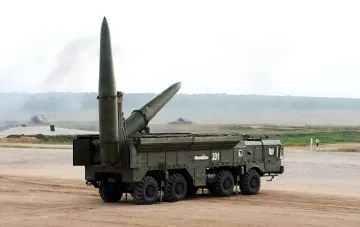
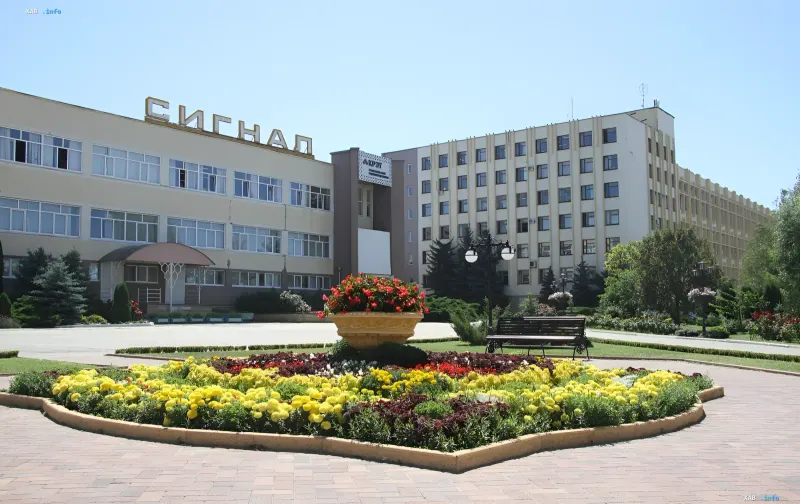
The GUR separately emphasized KRET's role in the supply chains for ballistic missiles. In particular, the Stavropol "Signal" plant manufactures and supplies sets of compact S200A1 jamming stations for the 9M723 "Iskander-M" missiles, while the Kaluga Scientific Research Radio-Technical Institute provides 3B228 radio-technical protection system blocks for the 3M22 "Zircon" missiles. These data fit into a broader context: intelligence representative Vadym Skybitskyi stated that in September alone, Russia's defense industry plans to produce no fewer than 100 ballistic missiles, including "Iskanders" and S-400s, and warned of preparations to test a new type of ballistic missile with a range of up to 800 kilometers, which could be used by the end of the year against targets in western Ukrainian regions.
Sanctions gap and financial mechanism
The key conclusion of the publication is the identified sanctions gap: 19 of the 54 KRET enterprises are not restricted by measures from any country of the coalition. Among them is JSC "Inertial Technologies "Tekhnokompleksa," which, according to GUR data, manufactures and supplies platform-free inertial navigation systems for the Kh-59M2/Kh-59M2A guided aviation missiles and the "Orion" unmanned aerial complexes. Intelligence also noted that the KRET head organization directly covers the funding shortfall of contracts under the state defense order, whose performers are the concern's enterprises. This claim is consistent with independent information on KRET enterprises being connected to preferential financing mechanisms, confirming the holding's working channels for funding defense orders.
In GUR's assessment, disrupting production at specialized plants and strengthening sanctions on Western electronic components remain among the key tools for countering the buildup of Russia's missile potential. The publication of data on 54 enterprises is intended, by design, to give partner countries a benchmark for expanding sanctions coverage to the still "clean" links in KRET concern's supply chain.