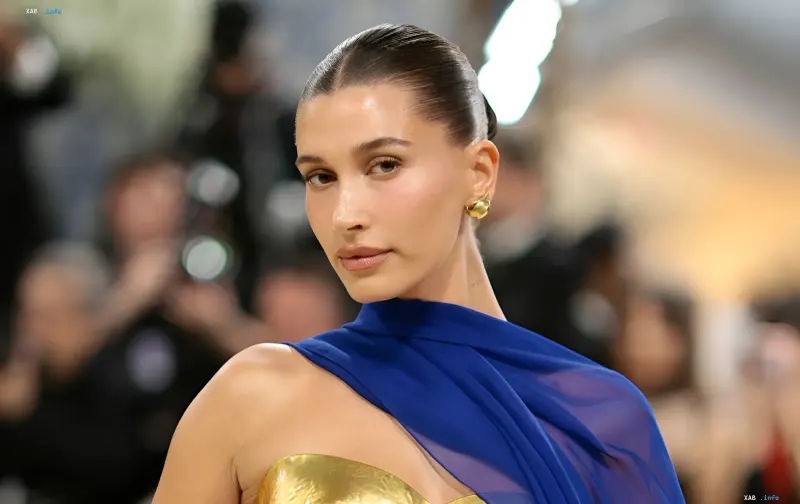
American model and founder of the cosmetic brand Rhode, Hailey Bieber, has publicly spoken out about Premenstrual Dysphoric Disorder (PMDD), which she faced after the birth of her son, Jack Blues. According to her, the emotional symptoms accompanying the premenstrual period have become significantly stronger than before her pregnancy. This was reported by Wave RBC.UA, citing Bieber's interview with Women's Wear Daily.
Diagnosed Six Months Postpartum
Earlier on the SHE MD podcast, Hailey specified that she received the diagnosis approximately six to seven months after giving birth. The model noted that while she had experienced symptoms of premenstrual syndrome prior to pregnancy, she noticed changes specifically in her emotional state after childbirth. According to her, motherhood deepened her interest in women's health and motivated her to speak openly about a condition that, in her view, is still insufficiently discussed and researched.
«Why Does It Feel Like My Life Is About to End?»
Bieber described how during the week leading up to her period, she would be overwhelmed by other people's opinions and her own anxieties, with even minor events feeling like massive problems. «Why does it feel like my entire life is about to end? I don't get it», she recalled of her feelings at the time. At the same time, once menstruation began, the feelings would pass on their own, and the model would feel like her usual self again. Over time, she noted, the symptoms of the disorder subsided.
What Is PMDD and How Does It Differ From PMS?
According to the U.S. Office on Women's Health, PMDD presents more severe symptoms than standard premenstrual syndrome. The condition can be accompanied by extreme irritability, anxiety, depressed mood, severe mood swings, fatigue, and sleep problems. Typically, symptoms occur one to two weeks before menstruation and resolve within a few days after it starts, potentially interfering with daily activities and relationships with loved ones.
Publicity as a Way to Combat Loneliness
By openly discussing her experience, Hailey Bieber emphasized that such conversations help her feel less alone. Her remarks fit into a broader trend of public discourse surrounding women's reproductive and mental health, which, in the model's estimation, remains under-researched and stigmatized. Bieber's story, like other similar celebrity accounts, aims to lower the barrier for women experiencing similar conditions and encourage them to seek medical help.