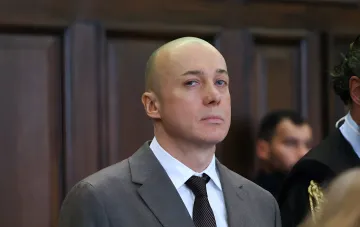
One of the most high-profile trials in recent German history has opened in Hamburg. The defendant is a Ukrainian citizen, Serhiy K., who is accused of leading the group that allegedly sabotaged the Nord Stream gas pipelines in September 2022. The proceedings, which began on October 14, have immediately captured the attention of both German and international media, as the outcome could impact not only German judicial practice but also the political relations between Berlin and Kyiv.
The specific charges against the defendant
According to the prosecution, Serhiy K. acted as the leader of a Ukrainian group involved in the pipeline explosions. The charges include, among other things, the classification of these acts as a war crime. It is important to emphasize that as of the trial's start, these formulations are allegations by the prosecution rather than established facts—the final decision regarding the defendant's guilt or innocence must be delivered by the court during the proceedings.
How German media are covering the case
The context of the trial and its potential consequences are being analyzed in the DW podcast "Geofactor." The discussion features Florian Flade, an investigative journalist for Süddeutsche Zeitung, and Konrad Schuller, a correspondent for Frankfurter Allgemeine Sonntagszeitung. Their analysis focuses on how this trial might affect German-Ukrainian relations and the legal and political questions it raises.
Political resonance surrounding the case
The topic of Nord Stream remains politically charged well beyond the courtroom. Polish Prime Minister Donald Tusk previously stated that "those who built the pipeline should be ashamed, not those who put it out of action." The Kremlin reacted sharply: Russian presidential spokesman Dmitry Peskov called the sabotage "an act of terrorist sabotage against Europe’s critical energy infrastructure" and expressed "bewilderment and incomprehension" regarding Tusk’s remarks. Concurrently, an initiative by the German party "Alternative for Germany" (AfD) to hold a forum in 2027 with Russia and the US to discuss restarting the Nord Stream pipeline is under discussion.
What this means for German-Ukrainian relations
The Hamburg trial is becoming not only a legal but also a diplomatic factor. Its course and conclusion may influence bilateral relations and the broader European context, where the Nord Stream pipelines have long transformed from an infrastructure project into a symbol of geopolitical division. As the trial progresses, focus will remain on the evidence presented by the prosecution and how the court evaluates the classification of these acts, including the charge of a war crime.