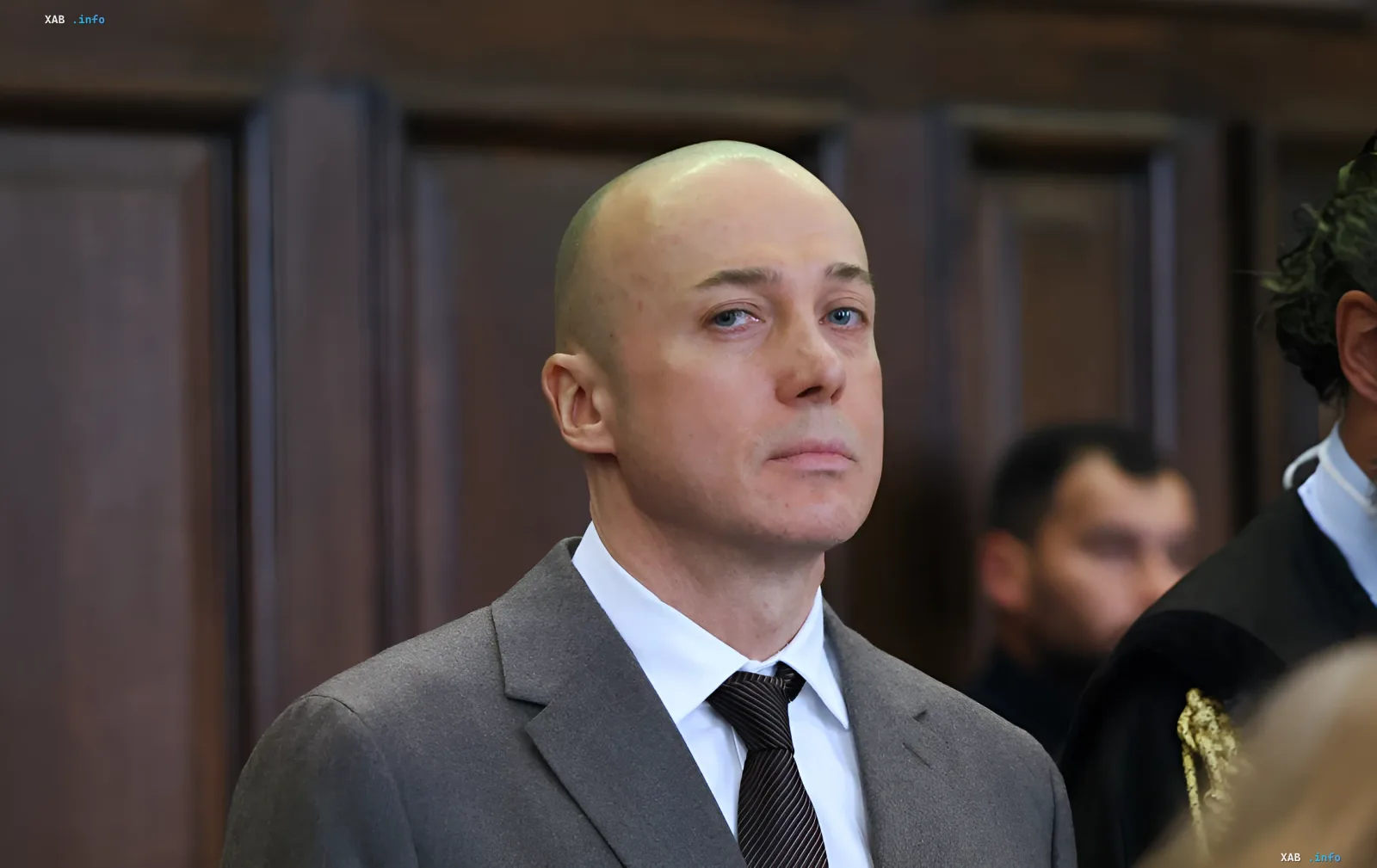
A high-profile trial has begun in Hamburg against former Ukrainian military serviceman Sergiy Kuznetsov, accused by German justice of organizing the sabotage of the Nord Stream gas pipelines in September 2022. This case has already attracted unprecedented attention from the international legal community and media, as it raises fundamental questions about the qualification of war crimes and the permissibility of attacks on critical infrastructure amid hybrid and full-scale confrontation in Europe.
Defense Strategy and Attorney Arguments
During the initial court hearings, the defendant's attorney, Nicola Canestrini, filed an official motion to close the criminal proceedings. The defense builds its strategy on the claim that the Nord Stream pipeline, which for years provided the lion's share of Russian natural gas imports to Germany, was allegedly an instrument of geopolitical pressure and blackmail. According to the defense lawyer, the destruction of an aggressor state's infrastructure object without human casualties cannot be unequivocally interpreted as a criminal offense, raising a rhetorical question about the legality of such actions during an armed conflict.
Contradictory Data
Deep contradictions have emerged between the positions of the defense and the prosecution regarding the legal nature of the target. The prosecution categorically insists that the bombing qualifies precisely as a grave war crime and an attack on civilian infrastructure, resulting in massive destruction and serious damage to utility services in the region. At the same time, investigations by independent journalists Oliver Schrem and Ulrich Thiel indicate that the sabotage plan itself may have been developed as early as 2019 with the initial awareness of foreign intelligence agencies, adding geopolitical context to the case.
Public Resonance and Protests
Concurrently with the start of the trial, a large-scale rally in support of Sergiy Kuznetsov unfolded outside the courthouse in Hamburg. Dozens of activists took to the streets with placards and banners, asking public questions about the real culprits of escalation and stating that sole responsibility for the unleashed war and accompanying incidents rests with the Russian side. Public opinion in Germany remains divided, reflecting the complexity of legal assessments regarding sabotage on cross-border energy routes.