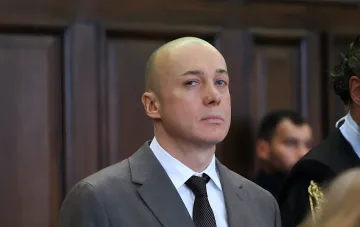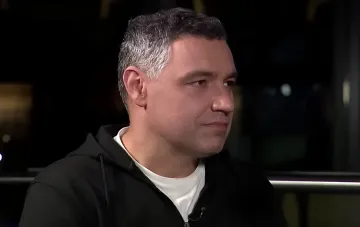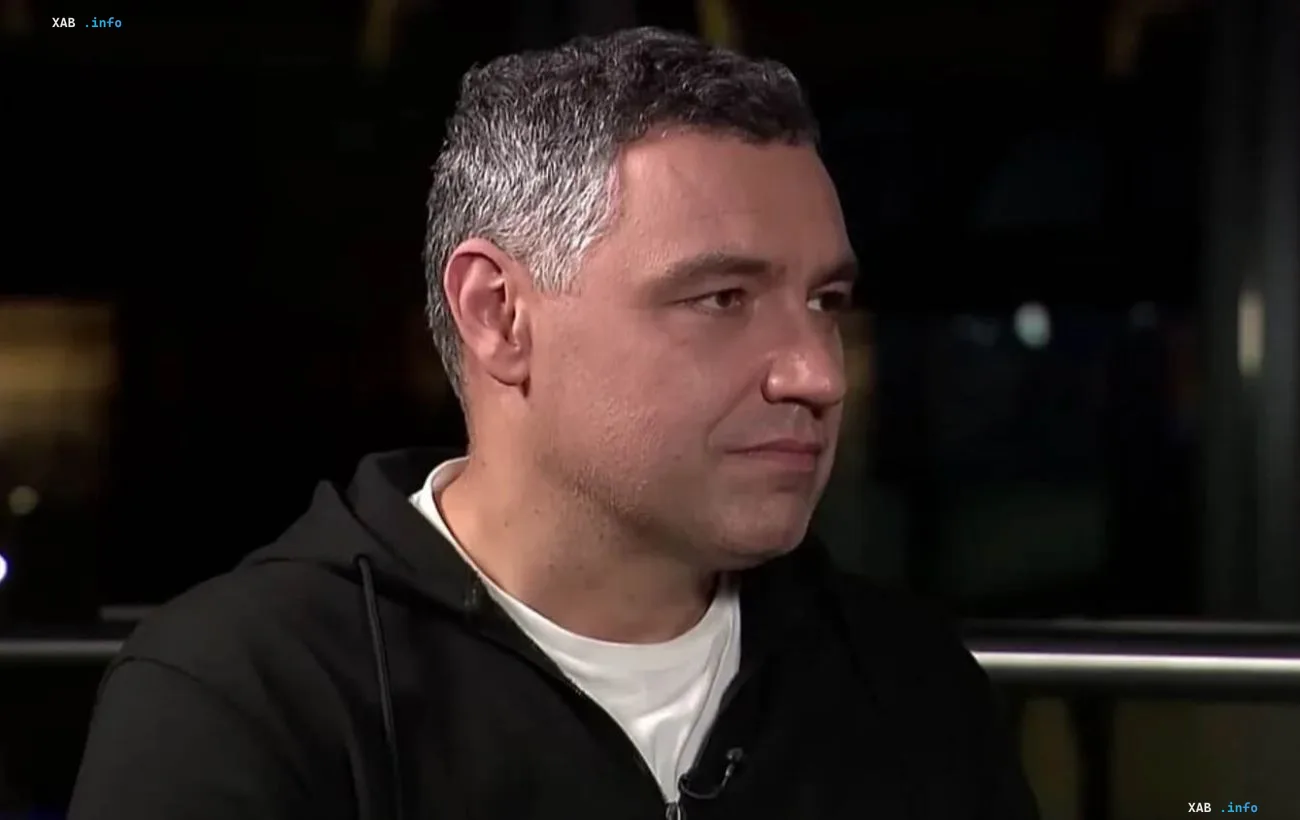
A court in the Croatian city of Pula has ruled to extradite Ukrainian citizen Vladimir Zhuravlev to the Federal Republic of Germany. This was reported by RBC-Ukraine, citing the law firm "Katerinchuk, Moor and Partners," which represents the suspect's interests. The defense is expected to receive the official court document in the near future. According to his lawyers, Zhuravlev intends to begin an indefinite hunger strike in protest against the decision.
Charges and case background
Vladimir Zhuravlev is suspected of involvement in the sabotage of the Nord Stream 1 and Nord Stream 2 pipelines in the Baltic Sea, which occurred in September 2022. The explosions on the underwater pipelines led to massive natural gas leaks. The United States, the United Kingdom, and the European Union have officially recognized the incident as a deliberate act of sabotage. According to available information, Zhuravlev arrived in Croatia to film a movie dedicated to the Nord Stream sabotage and was detained on the country's territory.
Prior extradition proceedings in Poland
This is not the first time Zhuravlev has found himself at the center of an extradition procedure. In the fall of 2025, he was detained in Poland; however, on October 17, 2025, the Warsaw court refused Germany's request for his extradition, finding the evidence presented insufficient to make such a decision. The suspect was subsequently released from custody. Thus, the Croatian decision marks the second extradition proceeding related to the Nord Stream case.
Defense's position and appeal plans
The law firm "Katerinchuk, Moor and Partners" has expressed categorical disagreement with the Croatian court's verdict. According to the lawyers, the court effectively ignored the earlier Polish court decision in a similar case, which had previously refused to extradite Zhuravlev to Germany. The defense is preparing to appeal the decision both in the Croatian appellate court and in international judicial bodies. The defense is awaiting the official text of the Pula court's decision, after which a specific appeal strategy will be formulated.
Contradictory data
There is a significant discrepancy between the decisions of two national courts concerning the same individual and the same charges. In October 2025, the Polish court deemed the evidence presented by the German side insufficient for extradition and released Zhuravlev from custody. The Croatian court, by contrast, ruled in favor of extradition, which, according to the defense, indicates a de facto disregard for the precedent set by the Polish tribunal. The German side, for its part, reportedly considers the evidence sufficient to continue the criminal prosecution. Thus, the question of the sufficiency of the evidentiary base remains a subject of active legal debate between jurisdictions.
International resonance of the case
The Nord Stream sabotage case remains one of the most high-profile international criminal proceedings in recent years. The recognition of the sabotage by the US, the UK, and the EU gives the proceedings significant geopolitical context. The extradition of Zhuravlev to Germany, if successfully completed, will open a new stage in an investigation that has already gone on for more than three years without full resolution. The appellate stage in Croatia and possible appeals to international bodies may take considerable time, while the indefinite hunger strike declared by the suspect adds an additional degree of tension to the situation.