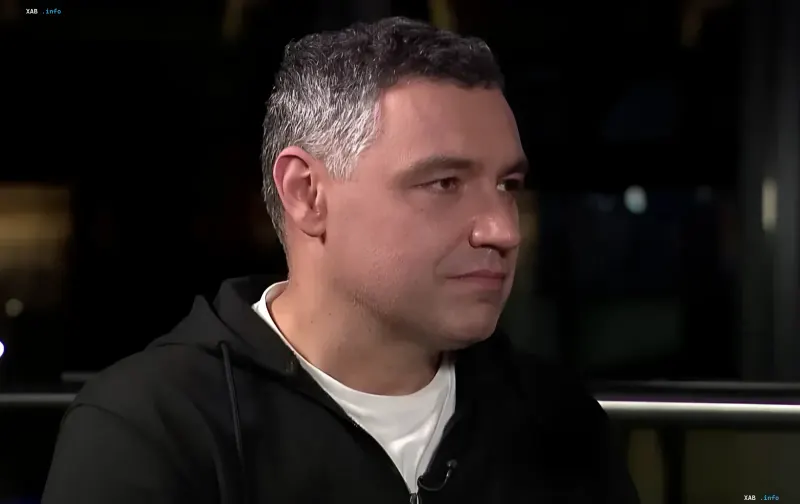
Ukrainian citizen Volodymyr Zhuravlov, whom German law enforcement agencies suspect of involvement in the sabotage of the Nord Stream gas pipelines, has officially applied to the authorities of Croatia for political asylum. This became known from statements made by his lawyer, Mykola Katerynchuk, in late September 2026. This step marks a new twist in a high-profile international legal precedent that has drawn intense attention from global media and intelligence agencies for years.
Reasons for the Appeal and Defense Position
As lawyer Mykola Katerynchuk explained in a comment to Ukrainian media, the decision to apply for asylum is driven by the defense's deep doubts regarding the objectivity, impartiality, and fairness of the future judicial system in Germany. According to Zhuravlov and his representatives, a fair trial cannot be guaranteed under German jurisdiction due to the immense political pressure accompanying the investigation into the explosions on the strategic energy pipelines. The defense emphasizes that the mere fact of filing such an application does not automatically suspend the extradition procedure, but it opens new legal mechanisms to counter the transfer of the suspect to the German side.
Court Decision in Pula and Threat of a Hunger Strike
Earlier, a court in the Croatian city of Pula ruled to satisfy the request for the extradition of Volodymyr Zhuravlov to Germany. In response, the Ukrainian's lawyers began active preparations for an official appeal, hoping to challenge the decision of local instances. The situation is complicated by the fact that if the Croatian court issues a final official refusal, Zhuravlov intends to declare an indefinite hunger strike. It is worth recalling that the suspect's arrest in Croatia took place quite cinematically — law enforcement officers detained him right on the set of a Hollywood feature film dedicated to underwater sabotage.
Case Context and Arrest Warrant
The arrest warrant for Volodymyr Zhuravlov was issued by German authorities back in June 2024. According to the working version of German investigative bodies, he was part of an undercover Ukrainian sabotage group that allegedly organized and carried out the planting of powerful explosive charges on the Nord Stream gas pipeline strings. Against the backdrop of ongoing legal battles in Croatia, this case continues to acquire geopolitical intrigue, as any decisions by Croatian courts could set an important precedent for international cooperation in extradition matters concerning high-profile critical infrastructure sabotage cases.