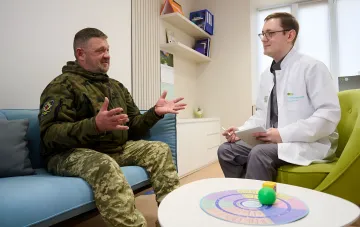


With the onset of autumn, many people face a reduction in daylight hours, frequent rains, and a general decrease in energy levels, often referred to as seasonal blues. Psychologists note that in current realities, these natural biorhythmic drops overlap with constant background stress and uncertainty, increasing the load on the psyche. Psycho-educator Anastasia Patenko shared how to draw the line between ordinary melancholy and a condition requiring specialist assistance.
The Impact of War and Background Stress on Seasonal Well-being
The expert emphasizes that Ukrainians live in conditions of constant danger, air raids, and worries for loved ones, which in itself takes a colossal amount of resources. When seasonal changes and a decrease in sunny days are added to this, the body reacts to the combination of factors much more acutely. According to Patenko, such a reaction is an entirely natural protective function of the body and psyche against external circumstances, rather than a manifestation of weakness or insufficient resilience.
Instead of blaming oneself for reduced productivity, the specialist advises shifting focus toward carefully monitoring one's own reactions. The main task is not trying to completely get rid of anxiety, but developing self-regulation skills that help return to a more stable state. Such practices are useful to implement even in relatively calm periods to build a reliable foundation for overcoming crisis moments.
Effective Self-Support Methods on Dark Days
One of the most accessible and effective steps to improve well-being is increasing the amount of daylight in your daily routine. Whenever possible, it is recommended to regularly go for walks during daylight hours, and at home or at work, try to brightly illuminate your workspace. At the same time, it is important not to overload yourself with rigid rules and lists of mandatory procedures, but gradually test various methods.
Self-regulation is a flexible tool consisting of many elements, each of which can work depending on your specific emotional state. Physical activity helps some, while breathing practices or time spent in silence with a cup of warm tea help others. The main thing is to listen to your current needs and not demand maximum efficiency from yourself during the adaptation period to the cold.
When Seasonal Fatigue Turns into a Dangerous Symptom
The psychologist focuses on the fact that the line between a temporary autumn decline and a clinical condition can be thin, but critically important. If a drop in strength was observed even before autumn or drags on indefinitely, and sleep does not bring long-awaited recovery after the weekend, this is a serious reason for concern. A prolonged depressed mood, loss of interest in favorite activities, and growing apathy signal deep resource depletion.
In such cases, you should not write everything off solely as the whims of the weather or temporary blues. The specialist recommends seeking professional help in a timely manner from a family doctor or a specialized psychologist without waiting for a critical point when coping on your own becomes impossible.
The Importance of Psychological Hygiene and Timely Help
The ability to notice exhaustion in time and ask for support is a manifestation of self-care, not weakness. In conditions of prolonged stress and seasonal weather fluctuations, taking care of mental health becomes a basic necessity for maintaining the quality of life. Simple regular practices of self-observation and readiness to receive a qualified consultation on time help preserve internal resources and survive the dark months with minimal losses to psychological state.