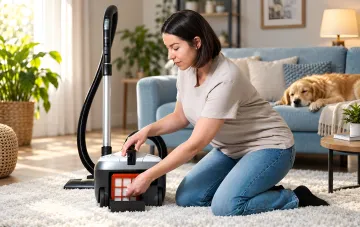
Even with regular bed linen changes, dust, dead skin cells, and sweat residues gradually accumulate on the surface of a mattress. Over time, this leads to unpleasant odors and a decline in the hygienic condition of the sleeping area. According to data provided in an article by Styler (RБК-Ukraine project), for routine refreshing, a mattress does not necessarily need to be wetted or sent to a dry cleaner — sequential maintenance that requires no special expensive products is sufficient. The key principle cited by manufacturers and experts is to follow the instructions for the specific product, as different fillings (foam, latex, spring units) react to moisture and chemicals differently.
Step One: Preparation and Vacuuming
Before beginning work, all removable textile items must be removed from the bed — the sheet, pillowcases, and mattress protector. The CDC website emphasizes that to reduce the impact of dust mites, bed linen should be washed weekly and dried completely; this is especially important for people whose mites trigger asthma symptoms. The mattress protector itself must also be cleaned regularly according to the manufacturer's instructions. One of the simplest and most effective ways to remove dust from a mattress is to use a vacuum cleaner with an upholstery attachment. The Dyson material advises vacuuming the mattress about once a month to remove dust and dirt particles from the surface before they penetrate deeper into the filling. If possible, the underside of the mattress should also be cleaned, but turning it over to the other sleeping side should only be done when recommended by the manufacturer.
A Harmful Habit: Why You Shouldn't Make the Bed Immediately
After cleaning, do not make the bed immediately. As Tom's Guide explains, the habit of making the bed right after waking up can trap the moisture accumulated overnight inside the mattress. It is better to leave it open for some time to ensure air circulation. Such simple care is especially useful if a person sweats heavily at night. Regular airing helps maintain a dry microclimate inside the filling and reduces the risk of microorganism growth.
Baking Soda and Liquid Solutions: Where the Boundary Lies
If the mattress is dry but has a slight stale odor, baking soda can be tried. According to Good Housekeeping recommendations, soda helps neutralize odors, although it does not possess disinfecting properties. It does not remove contaminants that have penetrated deep into the filling and does not replace thorough cleaning. Before using soda, it is important to check the recommendations of the mattress and vacuum manufacturer: some vacuum models are not designed to collect fine powders, which can damage filters. If the instruction prohibits this method, it is better to refuse soda. Regarding liquid products, the manufacturer Serta warns against applying liquids directly to the mattress: excessive moisture and chemical agents can damage foam materials, worsen the condition of the fabric, and leave stains. This is why the surface should not be heavily moistened with water, vinegar, or homemade cleaning solutions without confirming the admissibility of wet cleaning in the product documentation.
Mold: When Home Care is Not Enough
Sometimes an unpleasant odor indicates not just an accumulation of dust, but a more serious problem — the appearance of mold. Experts list several signs that may indicate its presence: a characteristic musty smell, dark or greenish spots on the surface, and changes in fabric texture. By themselves, these signs do not always confirm the presence of mold, but they are a reason to check the condition of the mattress more thoroughly. As the EPA explains, mold can penetrate inside porous materials, from where it is difficult or even impossible to completely remove. If mold appears on the mattress, regular airing, vacuuming, or baking soda is not enough — the affected mattress may require replacement, especially if the mold has penetrated the filling. It is also important to find and eliminate the cause of moisture accumulation; otherwise, the problem may recur even with a new mattress.
Future Protection: Mattress Protector and Regular Care
To protect the mattress from new contamination, a special mattress protector should be used. Regular care and protective accessories help maintain the cleanliness of the sleeping area. A mattress protector creates an additional barrier against dust, sweat, and accidental stains; it is easier to wash or replace than to clean the mattress itself. When choosing a model, preference should be given to options that can be washed regularly and follow care instructions strictly. If stains appear on the mattress, the method for removing them should be chosen according to the material and manufacturer's recommendations — some popular "folk" methods can damage the product and even violate warranty conditions. Before any cleaning, it is necessary to check the mattress label and manufacturer's instructions.