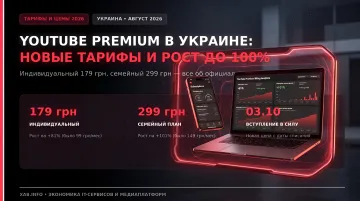
The rise in pricing for digital subscription services in 2025–2026 has turned the optimization of personal streaming spending into a matter of applied financial literacy. For Ukraine, where the final cost of foreign subscriptions is shaped by the intersection of the exchange rate, the regional pricing grid, and payment intermediary fees, the payment structure for YouTube Premium contains several legal points of reduction. Below, three mechanisms are examined — opting out of Apple's in-app purchases, student verification, and the expected pricing segmentation — from the perspective of their economic logic and the legal conditions of their application.
The Apple In-App Purchase commission and the payment structure
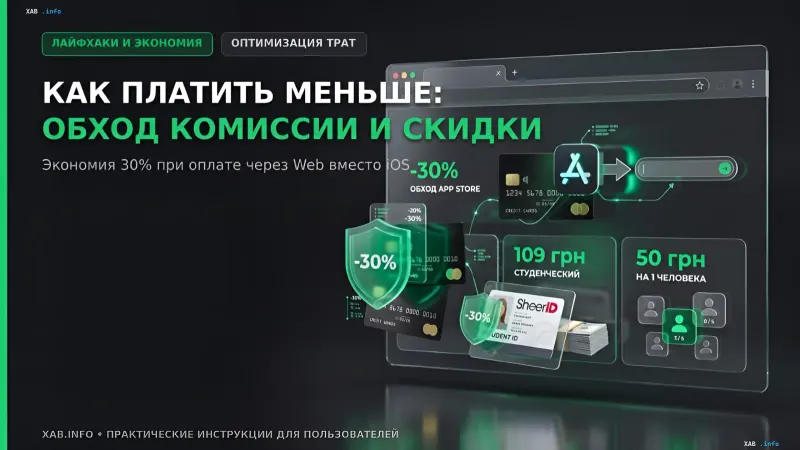
When you subscribe on an iPhone or iPad through Apple's built-in In-App Purchase mechanism, a 30% Apple service fee is added to the base rate. As a result, the final amount in hryvnias exceeds the official direct YouTube rate, even at an identical exchange rate. Legally, this is not a 'markup' by the service itself, but a fee from the ecosystem for processing the payment within the App Store, which makes a direct payment through a browser on the official YouTube Premium page the economically more advantageous channel. The practical optimization procedure consists of two steps: canceling the active subscription in Apple ID settings (the 'Subscriptions' section) and waiting for the paid period to end, then subscribing directly through a browser. Thus, the user moves the payment from a channel with a 30% commission to a direct payment channel, which overall reduces the bill by up to 30%.
The student plan and verification through SheerID
For full-time and part-time students of accredited Ukrainian universities, a preferential rate of 109 UAH per month is provided, which, given the base subscription cost, equates to a monthly saving of around 70 UAH. Status verification is performed annually through the third-party service SheerID: the system redirects the user to a platform where they must specify their Ukrainian university and attach a photo of a valid student ID or a certificate from the dean's office. From a legal standpoint, this is a mechanism for confirming a special status, not a permanent discount code, so annual re-verification is a mandatory condition for retaining the preferential price. This channel is independent of the App Store commission and can be combined with direct enrollment through a browser.
The expected Premium Lite plan and long-term pricing strategy
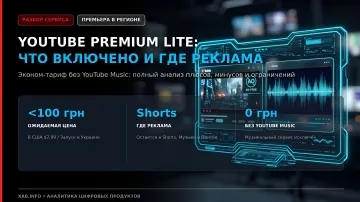
The third mechanism is the expected launch of the budget Premium Lite plan, which, after a full release in Ukraine, should provide basic ad-free video playback at a price of up to 100 UAH per month, excluding the YouTube Music catalog. From a macroeconomic perspective, this is classic pricing segmentation: the provider divides the audience into full-package users and basic-access users, lowering the entry barrier and retaining price-sensitive cohorts. For a user who does not need the music catalog, switching to Lite after launch represents a structural, not one-off, reduction in spending. It is important that, as of the date of preparation of this material, the plan is described as expected rather than active in Ukraine, so its parameters should be considered approximate until the launch is officially confirmed.
Subscription pause and cash flow management
An additional tool for managing expenses is the ability to pause a paid Google subscription for a period of 1 to 6 months without losing saved playlists and history. In conditions of a volatile exchange rate and seasonal changes in streaming consumption, this option allows freezing the mandatory payment without losing accumulated account data. Combining pauses during periods of non-use with direct enrollment through a browser during periods of active consumption forms a stable model for minimizing the average monthly bill.
Macroeconomic context and long-term consequences
Taken together, the mechanisms examined reflect a broader trend: with the sustained growth in prices for digital services and inflationary pressure, consumers are shifting from passively accepting the rate to actively managing the payment channel and subscription status. For the market, this means intensified competition between ecosystem commissions and direct payments, and for regulators — potential attention to the transparency of the final cost of subscriptions across different channels. For the Ukrainian user, the practical conclusion is unambiguous: maximum legal savings are achieved not by searching for unofficial methods, but by choosing the payment channel (browser instead of App Store), using a verified preferential status (SheerID), and timely switching to the segmented rate (Lite) after its launch.