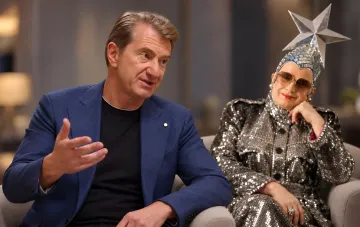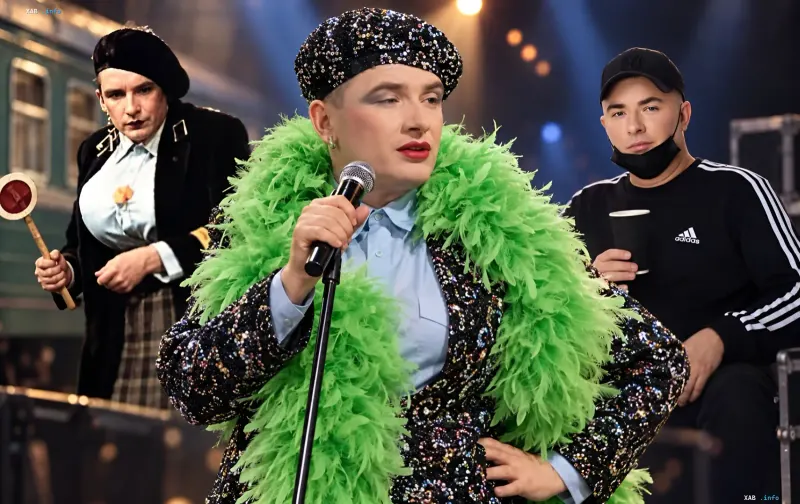
Verka Serduchka has become one of the most recognizable stage personas in Ukrainian pop culture—a character whose name and signature railway-carriage style are remembered by an entire generation of viewers. Behind the flamboyant woman in a glittering costume and colorful feather boa, as seen in stage photographs, is Andriy Danylko, who began experimenting with humorous female characters in his youth. The history of this character is not an overnight hit, but a multi-year process in which the artist's real acquaintances from Poltava gradually transformed into an independent stage phenomenon.
The Genesis of the Persona: From KVN to Humorina
According to biographical accounts, the persona originated even before the general public knew her: Verka Serduchka first appeared at a Poltava KVN event in 1989. In the early 1990s, Danylko performed in a female persona as a saleswoman in a white lab coat, copying the speech mannerisms and behavior of a real employee from a Poltava store. Over time, the saleswoman "moved" into a railway carriage and became a train conductor—this exact archetype formed the basis for the future Verka Serduchka. The character was introduced to a wide audience on April 1, 1993, at the Poltava Humorina; this performance has been cemented in the artist's biography as one of the key moments in the heroine's history.
Where the Name Came From: Schoolmate, Cleaner, and Saleswoman
The artist himself explained the origin of his stage name. In an interview with *Visnyky Zamku* published in 2013, Danylko shared that he took the surname "Serduchka" from his schoolmate Anya Serdyuk, and the name "Verka" from the school cleaner Vira. At the same time, he emphasized: "The point here is not the names, because Serduchka is a collective female image." Other publications about the early period of his career also mention Vira the saleswoman from the Poltava store Galantereya. Thus, the character was shaped under the influence of several real people Danylko encountered in everyday life, and their recognizable traits, amplified by comic exaggeration, made the heroine so memorable.
From Miniatures to a Musical Project
Ceasing to be merely a heroine of comedic sketches, Serduchka transformed into an independent stage project, adding music to her comedy performances. An important milestone was the 2003 album *Kha-ra-sho!*, which, according to biographical material on the *Ridna Ukraina* website, received a Diamond Disc at the end of that year for 500,000 sold copies—one of the confirmations of the project's commercial success. Among the songs that cemented the character's popularity are "Gop-gop-chida-gop" and other tracks with signature humor and energetic choruses that played at parties, concerts, and celebrations.
Television and Advertising Breakthrough
In 1997, Ukrainian television launched the *SV-Show*, in which Verka hosted guests in a stylized train carriage; the show helped cement the persona in mass culture far beyond Poltava. An additional boost came from cooperation with one of the country's leading banking institutions: in an early 2000s advertising campaign, the artist delivered the phrase, "Me, Verka Serduchka, standing in line?!", emphasizing the idea of receiving services without unnecessary waiting. The commercial was frequently broadcast on television, and the name quickly stuck with viewers. However, the advertisement was not the beginning of the stage history—by the time of filming, Danylko was already performing in this persona, and the commercials merely amplified her recognition.
Eurovision and International Phenomenon
The culmination of the character's journey was participation in Eurovision: in 2007, Verka Serduchka represented Ukraine with the song "Dancing Lasha Tumbai" and took second place. Thus, a character that grew out of humorous miniatures transformed into an international stage phenomenon while maintaining a connection to real people from Andriy Danylko's youth—a reminder that even the most vibrant pop personas are born from ordinary life details noticed by a watchful eye.