Humanitarian Threat from Old Stockpiles
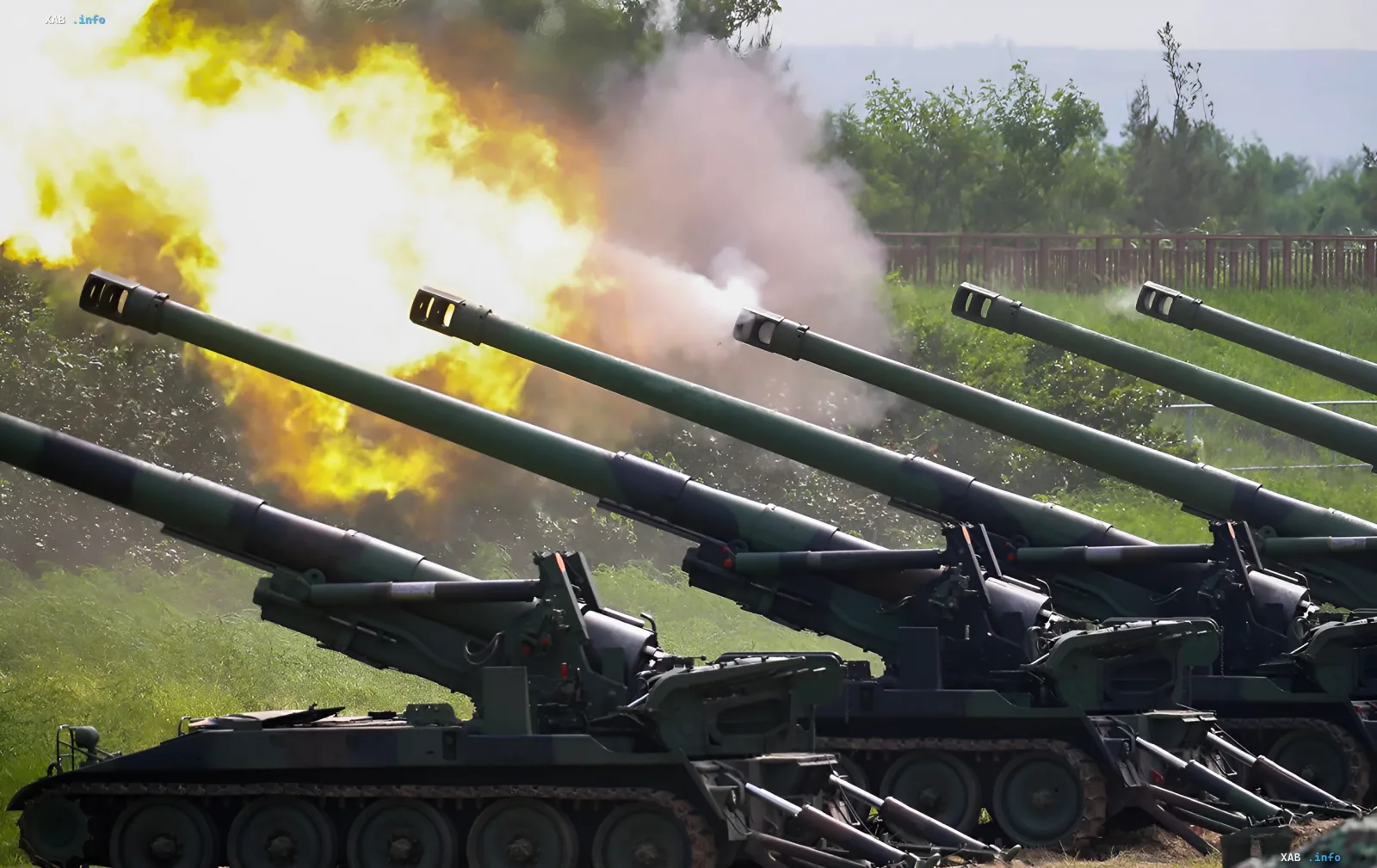
The international human rights organization Human Rights Watch (HRW) has appealed to the US administration to block a potential transfer of a new batch of weapons from Turkey to Ukraine. At the center of attention are tens of thousands of cluster rockets, rocket munitions, and artillery shells that have been stored in Ankara's warehouses for decades. Human rights defenders emphasize that these munitions contain more than 10 million explosive submunitions, the use of which poses colossal risks to the civilian population.
According to HRW, these munitions were originally partially manufactured by Turkey under US licenses. However, the key factor causing concern is their age and technical condition. The artillery shells, which form the basis of the proposed agreement, were removed from US service as early as 1994, when the corresponding howitzers were also placed in reserve. This means that we are talking about obsolete systems whose reliability and accuracy are questionable.
Human Rights Watch Position: Risk to Civilians
Nicole Widesheim, Deputy Director of Human Rights Watch in Washington, directly pointed out the humanitarian consequences of a potential deal. According to her, the entry of obsolete cluster munitions into the zone of active hostilities creates a threat with potentially tragic consequences. The inaccuracy and unreliability of munitions that are more than 30 years old are one of the main reasons why 112 countries joined the Convention on Cluster Munitions and banned their use.
Human rights defenders argue that the use of such shells on Ukrainian territory could lead to long-term casualties among the civilian population, as unexploded submunitions remain a deadly threat for many years after the end of hostilities.
US State Department Arguments: Modernization and Defense
At the same time, US authorities are demonstrating a different position. A senior representative of the US State Department told the media that Washington is ready to support Ankara's decision. According to the official version, Turkey plans to reduce stocks of obsolete weapons to free up financial resources for modernization and support of modern systems.
The State Department noted that Ukraine is seeking to acquire these systems to strengthen its offensive and defensive fire support capabilities in the context of the ongoing Russian invasion. Department representatives also emphasized that the Ukrainian army already has munitions of the same or practically similar type in its disposal, which, in their opinion, reduces the risks associated with the introduction of new models.
Geopolitical Context and Nuclear Risks
This discussion takes place against the backdrop of a complex geopolitical situation. Recently, Turkey called on Ukraine and Russia to declare a moratorium on strikes in the Black Sea, trying to reduce tension in the region. Moreover, the Turkish Ministry of Foreign Affairs made alarming hints that Russia might use nuclear weapons if the conflict continues to escalate. This adds additional weight to the question of what specific types of weapons should be sent to the front and how their use could affect the escalation of the conflict.