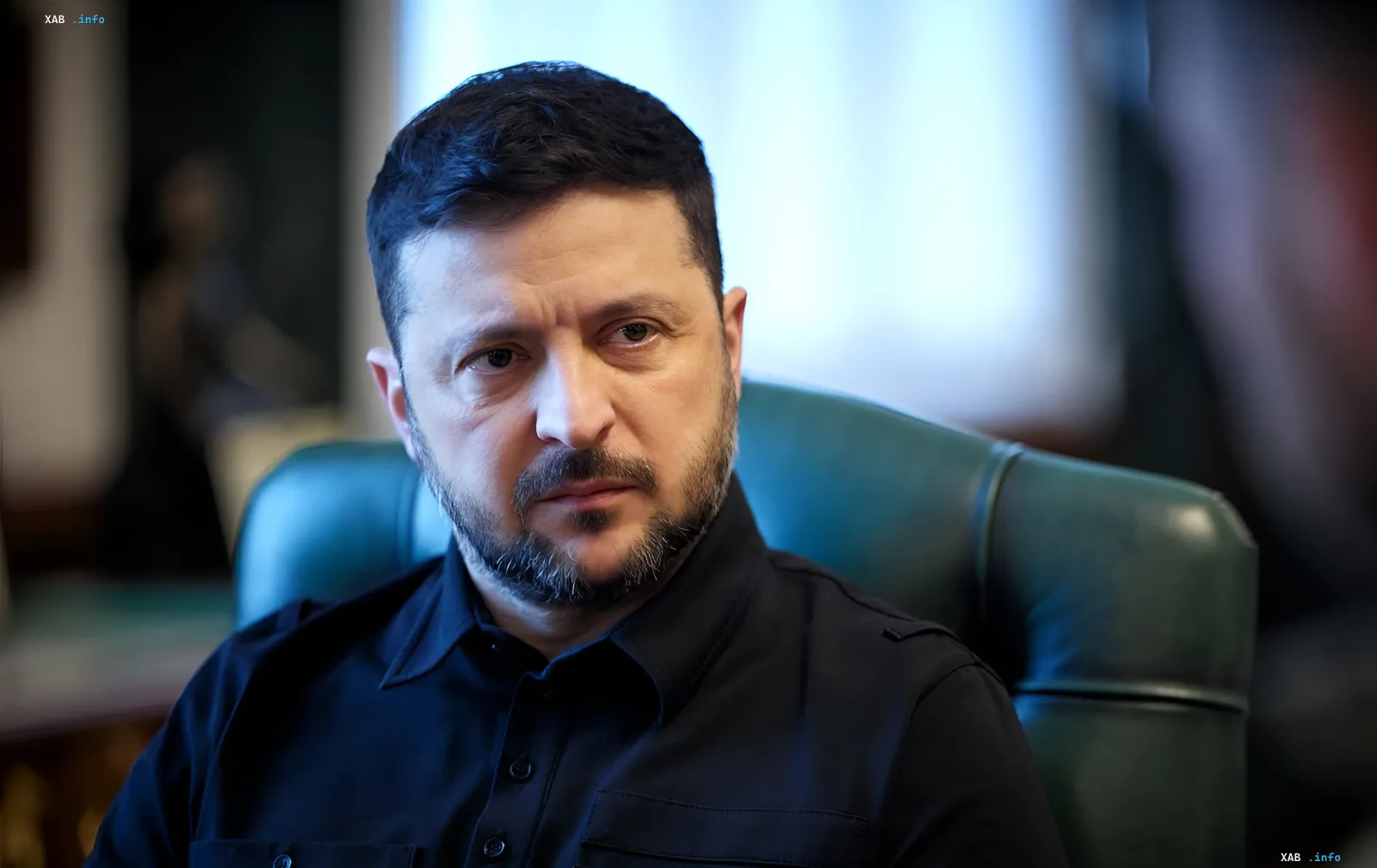
In his latest video address to the nation, Ukrainian President Volodymyr Zelensky presented data obtained from Ukrainian intelligence services. According to these findings, there is a growing number of citizens within Russia who are calling for an end to hostilities. The head of state emphasized that, despite current trends, the public demand for ending the war must become more extensive and palpable to exert real pressure on the Kremlin.
Poll data and pressure strategy
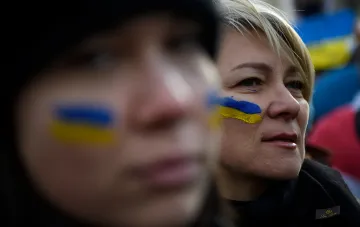
During his speech, Zelensky noted that Kyiv has access to the results of internal polls conducted in the Russian Federation. Statistics indicate that war fatigue among the population is increasing. However, the Ukrainian leader believes that current figures are insufficient to force the Russian leadership to make concessions. In his words, public sentiment must transform into a scale that becomes an unignorable factor for political decision-making in Moscow.
Target audience: from Putin to the security services
Zelensky clearly outlined the goal of strengthening anti-war sentiments. He stated that pressure must be directed not only personally at Russian President Vladimir Putin but also at his immediate circle, including the administration and employees of the security services (FSB). The President of Ukraine is convinced that a situation must be created where all key players in the aggressor state understand that there is no alternative to peace. In his opinion, this will be the only way to force the Kremlin to surrender.
The North Korea factor and military supplies
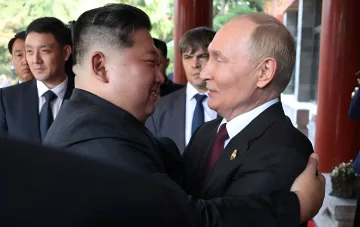
In his address, the Ukrainian leader also touched upon the international aspect of the conflict. He reminded that the government of North Korea continues to actively supply weapons to Russia for conducting hostilities. Zelensky expressed concern that Pyongyang is using this alliance not only to support Moscow but also for its own development. In particular, combat experience gained during the war could be used by North Korea to refine its missile technologies, creating long-term threats to global security.
Contradictory data
There is a discrepancy in the interpretation of the current situation in Russia. On the one hand, the Ukrainian leadership relies on data indicating a rise in dissatisfaction with the war among the population. On the other hand, official rhetoric from Moscow and data from some pro-government sociological services in the Russian Federation often demonstrate stable support for the Kremlin's course. This creates a complex picture: while Kyiv sees a growing demand for peace, Russian authorities may believe that internal support for the regime remains high. Differences in poll methodology and access to information make an accurate assessment of sentiments in the Russian Federation a difficult task for external observers.