Chinese technology giant Huawei Technologies continues its strategic course toward achieving complete technological independence from Western components and developments. Following the imposition of severe sanctions by the United States in 2019, the company has been systematically transforming its supply chains, developing its own processor solutions, and facilitating their mass production directly within Mainland China. A new stage in this large-scale process may be the abandonment of standard foreign architectures in favor of proprietary developments.
Prerequisites and Geopolitical Risks
According to information published by the specialized resource EE Times, despite Huawei holding a perpetual license for the popular Armv8 processor architecture, the company faces severe restrictions. Licensing agreements and geopolitical risks prevent the Chinese manufacturer from relying on the unhindered adoption of the newer Armv9 architecture. Under these circumstances, the company's management and engineers have seriously considered a radical step — moving away from familiar Arm and RISC-V architectures in favor of their own proprietary development called LinxISA.
Features of the New LinxISA Architecture
Currently, all technical documentation and specifications regarding the LinxISA architecture are published predominantly in Chinese. Expert analysis shows that this development is fundamentally oriented toward executing computing instructions in whole blocks rather than sequentially one by one, as implemented in traditional systems. Such an approach should provide a high level of parallelism in data processing, which is extremely in demand in the modern realities of artificial intelligence, mobile systems, and high-performance computing.
Prospects for Integration into Future Components
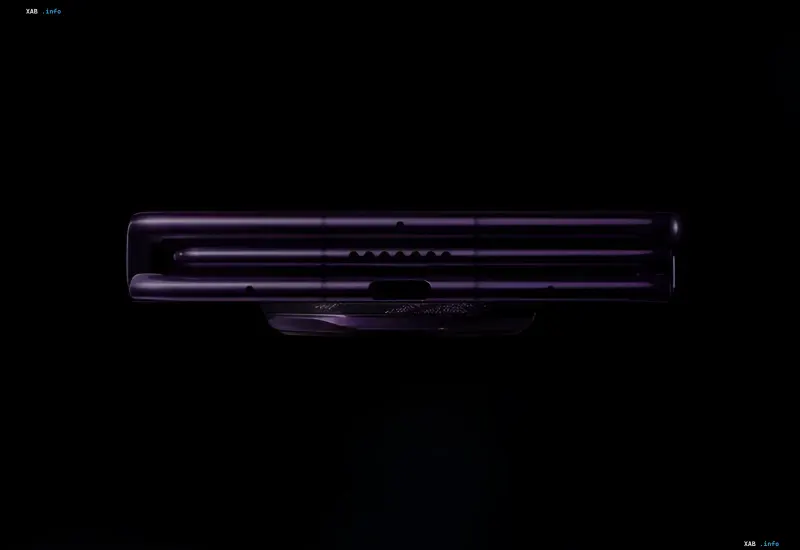
Experts currently note that the recently introduced advanced HiSilicon Kirin 9050 Pro processor, which powers the Huawei Mate XT 2 foldable smartphone, does not yet rely on the LinxISA architecture. Nevertheless, given the company's strategy to achieve complete technological sovereignty, integrating LinxISA into future generations of proprietary chips looks highly likely. Combined with its own operating system and a developed semiconductor manufacturing line, this will allow Huawei to create a fully independent hardware and software ecosystem.
Contradictory Data
Certain discrepancies remain within the expert community and specialized media regarding the timeline for the full commercial implementation of LinxISA and the actual degree of software readiness for the new architecture. While Western analysts point to serious barriers when migrating from the proven Arm ecosystem, Chinese sources emphasize the high degree of autonomy in Huawei's developments and the availability of ready-to-test chip samples utilizing block instruction processing.