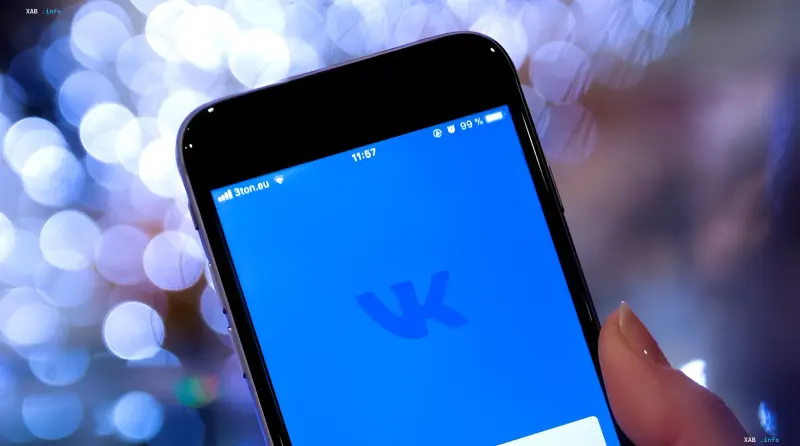
Chinese tech giant Huawei has become the next major player to restrict access to products from the Russian VK holding. Downloads of the flagship social network "VKontakte" and the Max messenger have been blocked in the AppGallery app store. This decision makes Huawei the third global platform, after Google Play and the App Store, to join the sanctions pressure on the Russian IT industry.
Beijing's move was predetermined by regulatory changes in Brussels. On July 13, the Council of the European Union expanded its sanctions lists, including not only the VK holding but also its subsidiary structure — LLC "Communication Platform." It is this company that develops the Max messenger. In justifying the sanctions, European officials pointed to the use of platforms for state monitoring, content filtering, and blocking VPN services. Regulators separately noted the presence of hidden telemetry collection functions in Max and integration with state security agencies.
At the cost of global presence: why Huawei didn't take the risk
For Huawei, compliance with EU regulatory requirements is a matter of strategic survival. The company, whose operations in external markets depend on complex logistics and financial flows, cannot afford to ignore compliance procedures. Violation of sanctions directives carries the risk of secondary sanctions, which could lead to a complete blockage of the Chinese corporation's financial and cloud infrastructure in Europe and other jurisdictions.
Analysts emphasize that maintaining a global presence remains a priority for Huawei's management. According to Counterpoint Research reports for the first quarter of 2026, the company's share of the domestic Chinese market reached 20%, but dependence on international markets remains critical. Attempts to maintain neutrality under the pressure of strict Western regulators have given way to a pragmatic choice in favor of complying with international norms.
Scale of isolation: what disappeared from AppGallery
As of July 16, 2026, almost the entire range of key VK services was removed from the international AppGallery catalogs. The isolation affected a wide circle of users accustomed to the Russian holding's ecosystem:
- Social and communication platforms: "VKontakte", "Odnoklassniki", and "VK Messenger" were blocked.
- Media and content: "Zen", "VK Video", "VK Music", and the Mail.ru email client were removed.
- Specialized software: The educational platform Skillbox and classifieds services disappeared.
VK's press service stated that already installed applications continue to work without restrictions. However, for new users or those who reinstalled the system, access to the software via AppGallery is closed.
Technical consequences for users
The situation regarding access to VK services now differs radically depending on the device's operating system. For Android users, the main legal distribution channel within Russia remains the sovereign RuStore, as well as direct APK file downloads from official servers. This allows bypassing blocks on third-party platforms.
Owners of iOS-based devices (Apple) found themselves in a more vulnerable position. Architectural limitations of the operating system do not allow installing software from third-party sources. As a result, if an application was removed from the App Store, it is impossible to fully restore its functionality. Users face service degradation: the delivery of push notifications about transactions and messages stops, making the use of messengers and banking applications extremely inconvenient.
Huawei's actions demonstrate a systemic shift in the policy of major Asian tech giants. The desire to minimize the risk of secondary legal sanctions from Western regulators prevails over local commercial partnerships, which accelerates the final isolation of Russian software within global distribution platforms.