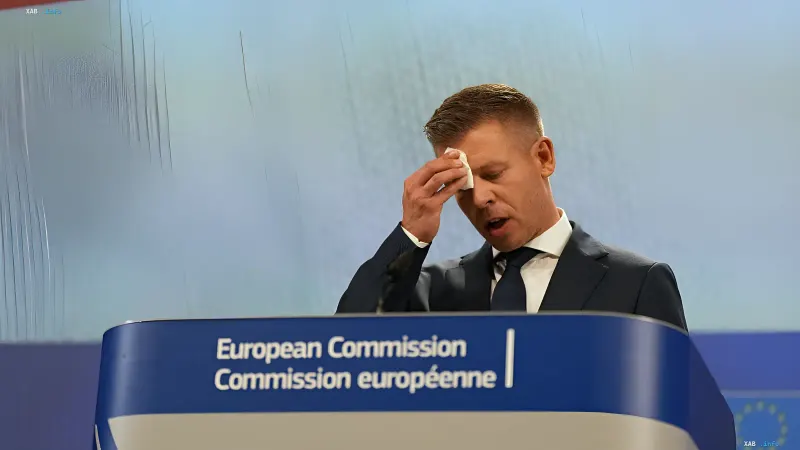
On Thursday, November 19, EU affairs ministers met in Brussels for the annual dialogue on the rule of law in the European Union. The agenda included key topics: judicial independence, the fight against corruption, media freedom, and the system of checks and balances in state institutions. It is emphasized that this is a routine meeting, not a special inquiry into any country or a vote on imposing sanctions. Nevertheless, the timing of the meeting is significant: Brussels is assessing the extent to which the changes being implemented by the Hungarian government, led by Péter Magyar, provide long-term, rather than merely formal, results.
Hungary: Attempting to break the 'vicious circle' of the Orbán era
Since taking office in 2026, the Magyar government has promptly begun repealing a series of measures that previously served as sources of conflict between Budapest and Brussels. A European Parliament delegation that visited Hungary in October praised the pace of transformation and described the progress made as substantial. "I think we are seeing clear attempts to break the vicious circle regarding the rule of law that existed under Viktor Orbán, and that the new Magyar government has truly put in the effort to carry out reforms aimed at restoring judicial independence," said Thu Nguyen, acting co-director of the Jacques Delors Centre, in an interview with Euronews Verify.
Article 7 remains in force
Despite the recorded progress, a separate EU procedure still applies to Hungary: Article 7 of the Treaty on European Union. It was triggered in 2018 due to concerns about a serious threat to the European Union's fundamental values, including democracy, the rule of law, and the observance of fundamental human rights. The fact that this procedure remains active signals that Brussels views Hungarian reforms as a process requiring further verification rather than as a completed stage.
EU-UK Summit: Ten years after Brexit
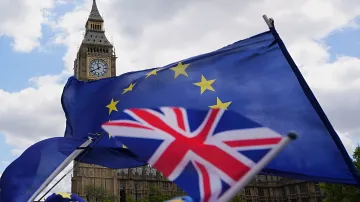
The second topic of the day was the highly anticipated EU-UK summit, which will take place on Friday, November 20. Ten years after Brexit, London, according to analysts, is seeking not further estrangement from Brussels, but rather a rapprochement. This trend, as polls show, is supported by public opinion: 56% of Britons today would vote for the country to rejoin the European Union. The reset of relations began under Keir Starmer and accelerated after the rise to power of Andy Burnham, who revived the discussion on Brexit, though he has not yet committed to seeking re-accession to the EU. Five European leaders have called for closer cooperation in several areas, including energy.
Will London return to the old EU?
The question remains open as to whether the UK could return to the EU on its previous terms, retaining the exemptions from common rules previously established. "If the UK decides to rejoin the EU, it will no longer be the same European Union it left," said Sébastien Maillard, an associate expert at the Chatham House think tank. According to him, the EU today is much more focused on geopolitics, and London would have to accept the idea of European sovereignty, siding with the EU and participating in building strategic capabilities independent of the US and China. Prime Minister Andy Burnham has so far avoided specific statements about re-accession, ruling out major policy shifts before the next parliamentary elections. "The government has made it clear that it intends to adhere to the previously outlined principal limitations until at least the next election. Therefore, we do not expect a change in the UK's relations with the EU during this parliamentary term," noted Oliver Nicholls, senior policy analyst at Best for Britain. At the same time, the first step towards returning to the European Union should be the start of a full-fledged public and political debate within the UK itself.
As a reminder, the Euronews Verify program airs live on weekdays at 18:40 Brussels time on the Euronews channel, on the website, and on digital platforms including YouTube, Facebook, X, and Instagram. In less than 11 minutes, it offers not just a review of the main news, but a detailed analysis of the most pressing events of the day, fact-checking, and explanations of why these developments matter to viewers.