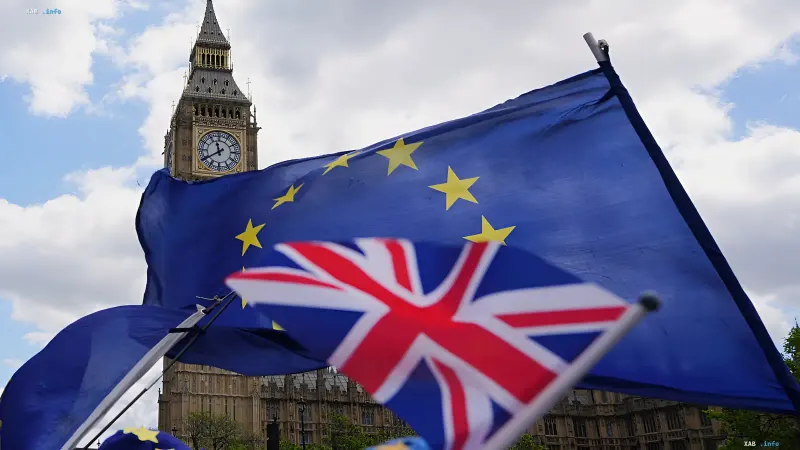
The year 2026 marks ten years since the June 23, 2016 referendum that initiated the UK's withdrawal from the European Union. To mark this symbolic date, European media outlets, notably the Euronews channel, have launched a series of features assessing how relations between London and Brussels have changed over the past decade and what the two sides are prepared to discuss at the upcoming EU summit. The central question of the release focuses on precisely what the European and British capitals will agree (or fail to agree) on when they return to the negotiating table.
A Decade After the Referendum
The 2016 referendum was a turning point in the political life of both the UK and the European Union. Ten years later, analysts and journalists are revisiting the promises made during the campaign and comparing them against reality. This exact framework — 'ten years on' — sets the tone for Euronews' coverage: ranging from a retrospective of decisions to the practical issues of ongoing bilateral cooperation.
Fact-Checking Campaign Promises
The Euronews fact-checking team based in Brussels, as part of its daily program verifying claims about the EU, has undertaken a systematic check of promises made by both opponents and supporters of EU withdrawal. The goal of this approach is to separate genuinely fulfilled points from those that remained mere election slogans, providing viewers with a verified picture instead of emotional assessments from the campaign sides.
The EU Summit: What Brussels and London Will Discuss
The key event tied to this release is the upcoming EU summit, at which the UK and the European Union intend to discuss future agreements. The report emphasizes that discussions will cover a range of practical bilateral issues, and the outcome of the negotiations will serve as an indicator of how much the nature of interaction between the two sides has changed a decade after the referendum.
The Media Ecosystem Around the Topic
Euronews covers the topic of Brexit and EU-UK relations through several formats: the weekly political program 'The Ring', which pits leading European politicians against each other; the analytical project EU.XL featuring videos, explainers, and polls; daily fact-checking from Brussels; and the 'No Comment' format, presenting major events without commentary. The combination of these tools allows the audience to see both the facts and the spectrum of opinions on one of the most debated issues in European politics.