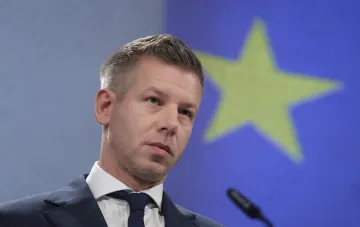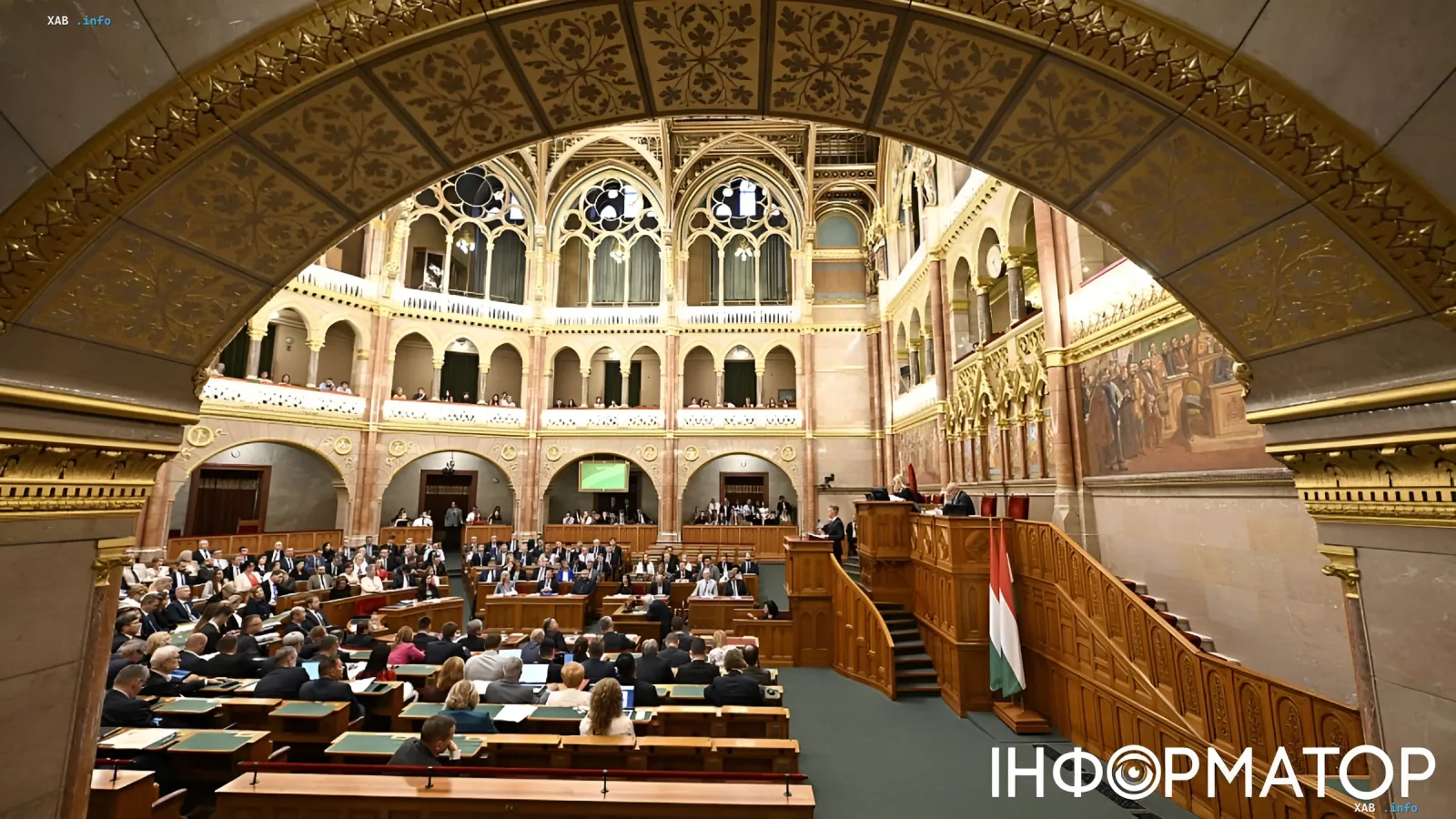
Hungary's political life has entered a decisive phase. The ruling party "Tisza" has officially submitted a proposal to the parliament to hold elections for the new head of state as early as August 11. This event will be a key stage of a large-scale constitutional reform initiated by Prime Minister Péter Márki-Zay following his party's victory in the April elections.
Emergency Session and Candidate Search
The decision to hold an extraordinary session of the parliament, scheduled for August 10–11, was announced by the leader of the parliamentary faction, Andrea Bujdó. According to the document published on the parliament's website, the main task of the meeting will be the election of the president. Currently, the duties of the head of state are performed by the Speaker of the Parliament, Ágnes Forsthofer.
The procedure for finding a candidate turned out to be more complicated than initially expected. The term of the former president, Tamás Sulyok, expired at midnight on July 20 in accordance with the 17th amendment to the Fundamental Law. The first candidate proposed by Márki-Zay was the world-famous chess player Judit Polgár. However, on July 20, she publicly refused to run for office.
In connection with this, the Prime Minister continued the search. On August 5, Márki-Zay reported a meeting with the former President of the Supreme Court of Hungary, András Baka. Baka's name is already being actively discussed in Hungarian media as the most likely candidate for the highest state office.
Constitutional Reform and "Operation Cleansing Fire"
The premature termination of Tamás Sulyok's powers was a direct consequence of a large-scale constitutional reform, which the press calls "Operation Cleansing Fire". On July 18, Sulyok himself signed amendments to the constitution, which, among other things, provide for the premature termination of his presidential powers. After approval by the parliament, where "Tisza" has a constitutional majority, the president had five days to sign or veto.
The new constitution provides not only for a change of head of state but also for a deep reform of the judicial system, as well as the creation of a special body to investigate possible financial abuses by the previous administration. Márki-Zay previously stated that the final decision on the presidential candidate would be made only after consultations with the public and the opposition.
Political Context and Confrontation
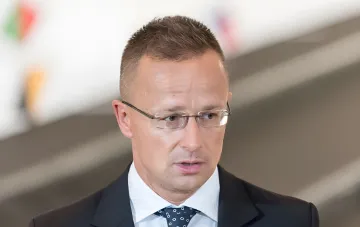
Events are unfolding against the backdrop of tense confrontation between Márki-Zay's new team and the former elite associated with the former Prime Minister Viktor Orbán. Recently, the former Hungarian Foreign Minister Péter Szijjártó resigned his parliamentary mandate and left big politics. Orbán himself, following raids on his associates, openly threatens Márki-Zay and accuses the new authorities of persecution, indicating an escalation of the conflict between the two political camps.
To participate in the election, a presidential candidate will need the support of at least one-fifth of the deputies — 40 votes. Given the political balance of power, this threshold may become a serious challenge for the ruling party, which is striving to pass its candidate amidst acute internal strife.