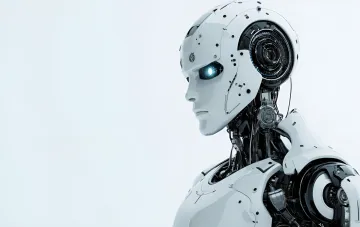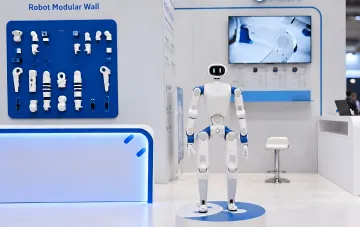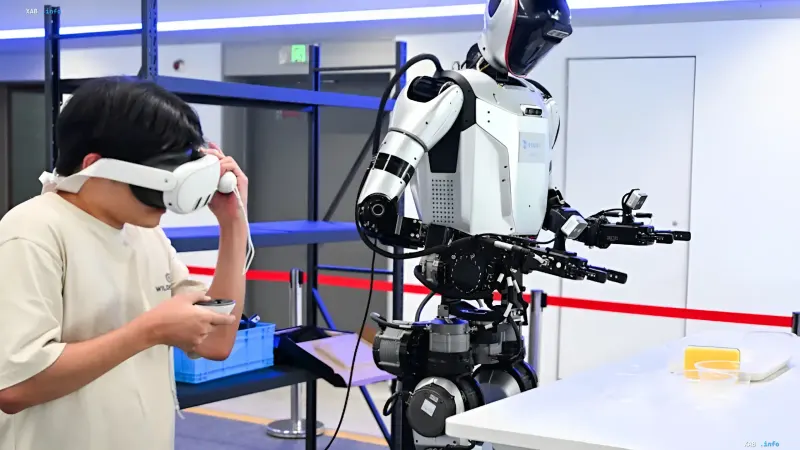
Recent technological triumphs and optimistic statements from major market players create a misleading impression among observers that the era of full-fledged humanoid robotics has already arrived. However, a fresh study by Anthropic brings the expert community back to earth, demonstrating a colossal chasm between the technical capabilities of modern machines and harsh economic reality. According to the findings, despite robots' ability to handle the overwhelming majority of physical operations, their financial efficiency remains extremely low.
Economic Barriers and Payback
The analysis shows that under current conditions, humanoid robots are economically more profitable than living workers in only a tiny fraction of scenarios — roughly 0.3% of cases. The main stumbling block is the astronomical cost of hardware, maintenance, and specialized software development. Even taking into account expert forecasts of an average 3% annual decrease in hardware costs, humanity will face crossing the 10% competitiveness threshold against human labor only in about four decades.
Comparison with Digital Automation
It is interesting to trace the striking contrast between the slow adoption of physical robots and the rapid triumph of digital intelligence. While mechanical manipulators require massive capital investments in hardware, software algorithms and advanced language models spread instantly via cloud networks. This makes the threat of automation for office workers and white-collar intellectuals much more tangible and imminent compared to the industrial robot revolution.
Contradictory Data
Despite the general analytical picture, fierce debates continue in expert circles regarding the actual pace of AI expansion. On one hand, large-scale investments by tech giants totaling hundreds of million dollars aim to accelerate labor market restructuring and prove otherwise. On the other hand, independent researchers point to insurmountable infrastructural dead ends, energy limitations, and rare component shortages that could slow down any optimistic schedules even further.
Labor Market Prospects
Thus, panicking about total unemployment due to a robot invasion in the coming years is certainly unwarranted. Areas of activity requiring developed empathy, fine manual dexterity, flexible social interaction, and non-standard creative approaches will remain securely protected for many years to come. Humanity faces a long transition period during which the economy will have to seek a balance between technological progress and job preservation.