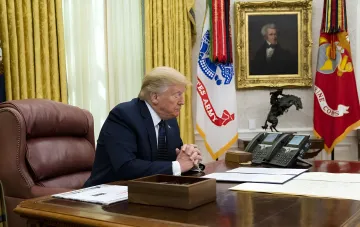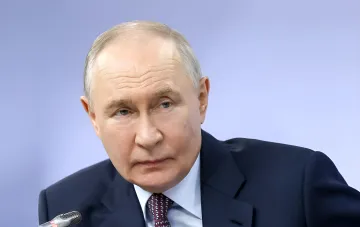
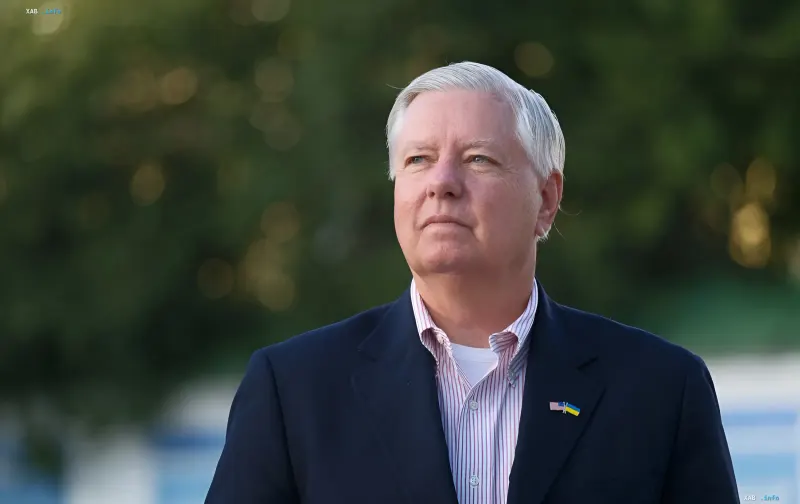
A unprecedented event in foreign policy is brewing in Washington. The US Senate may next week pass a sweeping bill to impose harsh sanctions on Russia. The initiative, darkly dubbed the "Hellish Sanctions," was developed by the late Senator Lindsey Graham, who fought for its passage until the very end of his life.
Bipartisan breakthrough after partisan struggle
News of the upcoming vote came from sources in the Capitol. Democrats have signaled to their Republican colleagues that they are ready to support the package of restrictions, which would be a rare example of consolidation in a year when legislators were largely mired in inter-party intrigue. The adoption of the document is seen as an important step towards ending the war in Ukraine.
The emotional backdrop for the consideration of the bill will be a memorial ceremony scheduled for Tuesday in honor of Lindsey Graham. Senators intend to honor the memory of the politician by completing the work he so persistently promoted.
Optimism in the Capitol
Senator Jeanne Shaheen expressed confidence in the success of the initiative. According to her, the situation on the battlefield is changing in favor of Ukraine, and the Kremlin's position is becoming increasingly shaky. "I look to the future with optimism and hope that we can move forward. It is extremely important to act as soon as possible," the legislator emphasized.
Evolution of the bill: from 500% to expansion to Iran
The document, which has more than 60 co-authors, has undergone several stages of changes following Graham's sudden death on July 11. According to Axios, senators made significant corrections to the original version:
- The overall rate of secondary tariffs was reduced from 500% to 100%.
- The scope of the law was narrowed: tariffs can now be imposed in no more than five countries.
However, the list of target countries was expanded at the request of US President Donald Trump. On July 19, the head of state demanded that Iran be included in the scope of the law. Senators took this request into account, adding the Islamic Republic to the list of states subject to restrictions.