The Ministry of Defence of India has officially announced the launch of a tender procedure for the procurement of new multi-role military transport aircraft for the country's Air Force. This decision, taken by the Defence Acquisition Council (DAC), marks the culmination of a four-year planning process under the Medium Transport Aircraft (MTA) program. A Request for Proposal (RFP) has already been sent to potential manufacturers, signaling a transition from the planning stage to the active implementation phase of one of the country's largest defense contracts.
Strategic context and objectives of the MTA program
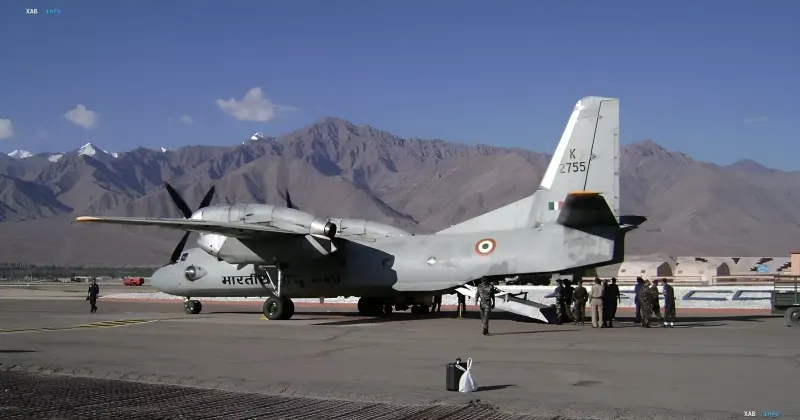
The MTA program is a critical element of the modernization of the Indian Air Force, aimed at addressing the issue of an aging aircraft fleet. The primary target for replacement under this project is the fleet of Soviet An-32 military transport aircraft, which India has been operating for over 40 years. Although these machines have proven their reliability in complex mountainous conditions, they are physically and morally obsolete, creating risks for logistics in strategically important regions such as Ladakh and the northeast of the country. The new aircraft must have a payload capacity of 18 to 30 tons and the ability to operate from short, unprepared runways, which is a mandatory requirement for operations in high-altitude areas.
Procurement dynamics: from 80 to 60 units
The history of the formation of the procurement lot demonstrates the evolution of the needs of the Indian military department. In 2023, an initial Request for Information (RFI) was issued, in which the number of aircraft was not specified. In November 2025, Indian media reported plans to purchase up to 80 aircraft. However, in March 2026, the Defence Acquisition Council officially adjusted the requirements, reducing the quantity to 60 units. Experts link this change to a review of budget constraints and the optimization of strategic tasks; however, even the reduced order volume remains unprecedented in scale.
Financial aspects and tender conditions
The cost of implementing the project is estimated to range from 7 to 9 billion euros (approximately 1 trillion Indian rupees). Although the final contract amount will be determined during the bidding process, current estimates indicate that India is ready to invest significant funds in updating its transport aviation. Details of the tender conditions, including requirements for production localization and technology transfer, have not yet been made public; however, it is expected that they will comply with the "Make in India" policy, requiring foreign partners to actively involve Indian enterprises in the assembly and maintenance of the equipment.
Contradictory data
The question of exactly which types of aircraft will be replaced by the new machines remains a subject of debate. Officially, the MTA program is positioned as a project to replace the An-32 fleet. However, a number of sources mention that the new aircraft will also partially replace the heavier Il-76 transporters. This creates a certain uncertainty regarding tactical and technical requirements: if the new equipment is to take over the functions of the Il-76, requirements for range and payload may be revised upwards, which could complicate the choice of a suitable model among the proposals from global manufacturers.