Large-Scale Disinformation Campaign
Following the escalation of the migration situation in the Spanish enclave of Ceuta, social media was engulfed by a powerful wave of far-right narratives. According to an analysis by the disinformation counter-group "411", a significant portion of this information background was created and disseminated by accounts linked to Russia. In the first days of the crisis, such bots and proxy accounts reached more than 500,000 users, turning a local border incident into a tool for destabilizing the European agenda.
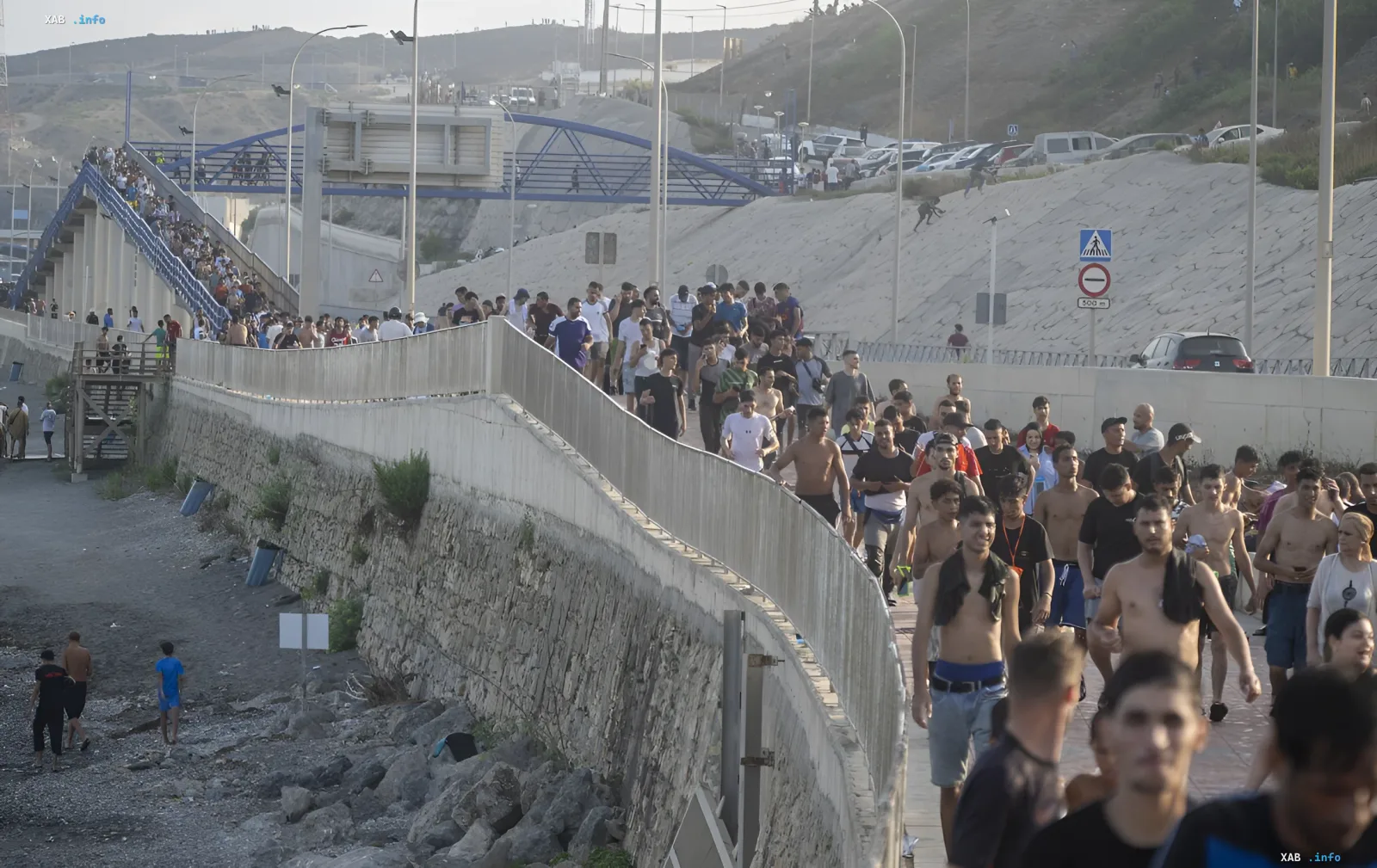
Researchers note that Russian-linked accounts regularly spread destabilizing narratives in Europe, particularly regarding migration. However, the scale and speed of the campaign surrounding Ceuta attracted special attention from experts. The crisis began on August 1st after tens of thousands of people attempted to cross the border from Morocco into the Spanish enclave. Reports indicate that the night before, approximately 49,000 people tried to enter the enclave, marking the largest migration breakthrough in the region in recent years.
Coordination and Speed of Dissemination
Events quickly became a topic of active discussion on social media. Far-right accounts framed the situation as an intentionally organized "assault" and hinted at possible government involvement in organizing the migrant flow. Some publications were accompanied by Islamophobic and antisemitic conspiracy theories. According to "411", these narratives were spread in seven languages and garnered more than 720,000 views in just six hours on August 1st. For analysis, researchers processed about 4.5 million social media messages, revealing clear patterns of coordinated action.
Simultaneously, some far-right accounts called on nationalists to come to Ceuta and "patrol" businesses and residential homes. Researchers believe that some of these calls may have been disseminated in a coordinated manner, creating a threat of real street clashes. Saman Nazari, a leading researcher at Alliance4Europe, noted that the nature of information dissemination could indicate the presence of a certain structure or coordination mechanism.
The Role of the "Rybar" Telegram Channel and the "Pravda" Network
A separate information "counter-offensive" began on social media as the situation intensified. One of the key sources of propaganda content was the Telegram channel "Rybar", linked to Russian intelligence. The channel's parent company is under EU sanctions. "Rybar" publications were picked up and disseminated by networks of re-broadcaster accounts. Among them were pages linked to the "Pravda" network, which researchers describe as an operation to spread Kremlin propaganda in various countries around the world.
"Now we observe such escalation quite regularly across Europe in connection with similar crises. It is too big a coincidence to consider this just a bandwagon effect," stated Saman Nazari. "411" researcher Ned Mendes compared the current situation with the 2021 crisis, when about 8,000 migrants crossed the same border from Morocco to Spain. According to him, this time far-right narratives spread much faster. Calls for the mobilization of nationalists managed to gather groups of people in the center of Ceuta within just a few days, whereas in 2021, a similar process took much longer.
Formation of a Re-broadcasting Network
At "411", they believe that the main danger lies not only in the specific crisis. Researchers speak of the formation of a re-broadcasting network that can quickly pick up similar events in different parts of Europe and provide them with the necessary media coverage. This is why, according to experts, the next migration or border crisis could become a new reason for already formed disinformation networks. Previously, RBC-Ukraine reported on how the migrant breakthrough in Ceuta split the EU and played into the Kremlin's hands. We also wrote that Spain would build a barrier on the border of Ceuta after the breakthrough of tens of thousands of migrants.