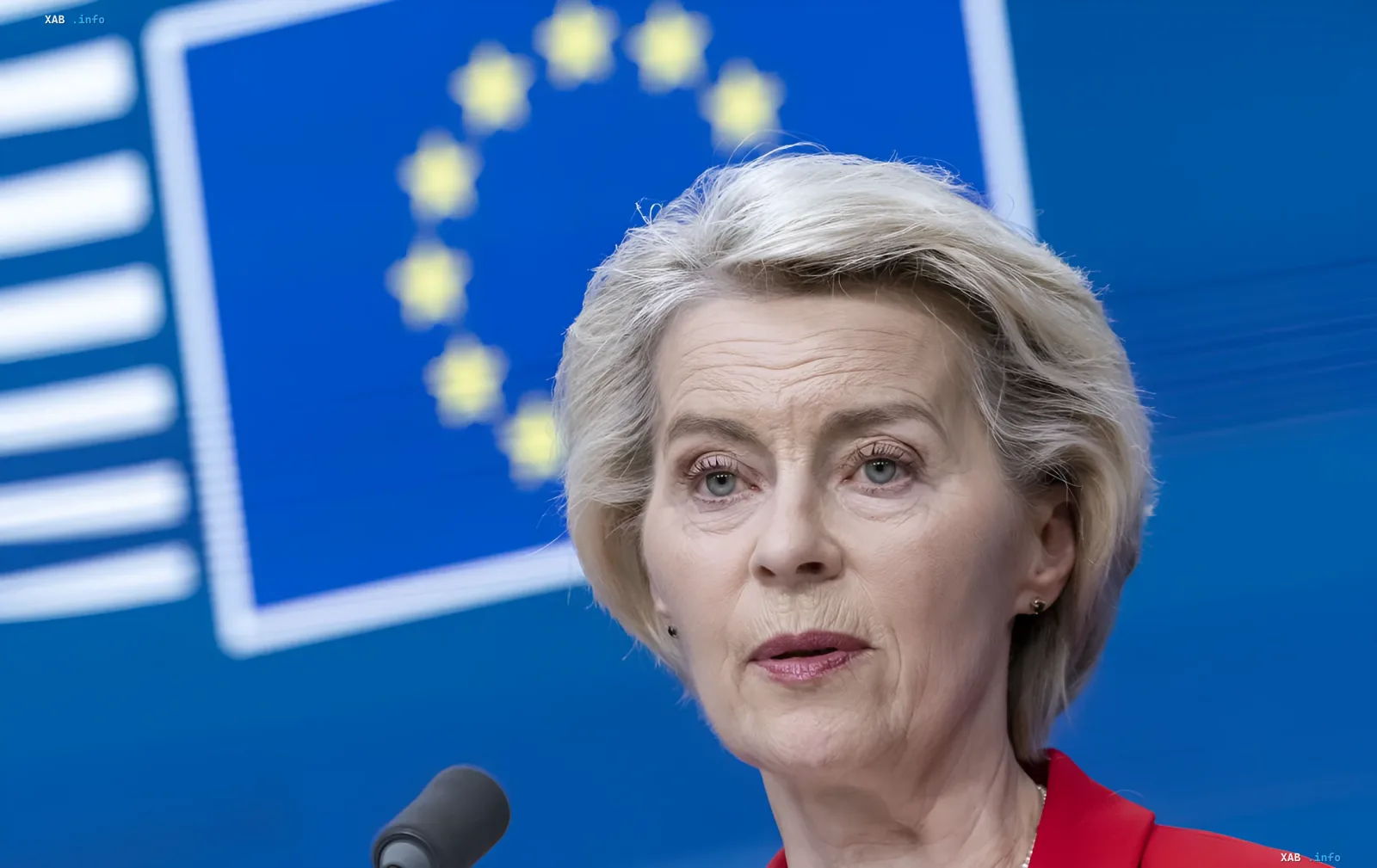
August 8, 2026, marked a landmark day for Western sanctions policy. European Commission President Ursula von der Leyen officially welcomed the U.S. Senate's decision to support a sweeping bill aimed at increasing pressure on Moscow. In a statement published on the social network X, the EC President emphasized that this move signifies a new level of coordination between Brussels and Washington in countering Russian aggression.
Synchronization of the EU's 21st Package and the Graham Initiative
Von der Leyen linked the adoption of the U.S. bill to the European Union's actions, which had just adopted its 21st sanctions package. According to her, the bill, named after the late Senator Lindsey Graham, is a tribute to a man who always championed the idea that coordinated economic measures can effectively weaken an adversary's war machine. "This bill honors the memory of someone who firmly believed in the power of coordinated sanctions," she noted.
Strategy for Total Blockade of Financial Flows
The central thesis of the EC President's statement was the necessity of covering all possible sources of Kremlin revenue with sanctions. Von der Leyen called for a tough stance against Russian oligarchs, energy exports, and the so-called "shadow fleet." "Every source of income fueling the Kremlin's aggression must become the target of sanctions from all sides," she declared. The main goal, in her view, is to deprive Russia of the resources necessary to continue the war, which the West believes it cannot win.
Political Arithmetic in the U.S. Senate
The vote in the U.S. Senate passed with a convincing margin: 86 senators supported the bill, while only 11 opposed it. At least 60 votes were required to pass the document, indicating a broad political consensus in Washington on tightening restrictions. The document grants the U.S. President new powers to impose tariffs on countries that continue to purchase Russian energy resources or assist Moscow in circumventing existing restrictions.
Economic Consequences and the Threat of Tariffs
A key tool of the new bill is the right to impose tariffs of up to 100% on goods from countries that remain the largest buyers of Russian oil and gas. This creates serious risks for intermediary countries and Russia's partners, forcing them either to reduce imports of Russian resources or face prohibitive tariffs on exports to the U.S. Von der Leyen emphasized that it is precisely such strict and complementary measures that demonstrate the strength of the historic partnership between Europe and the United States.