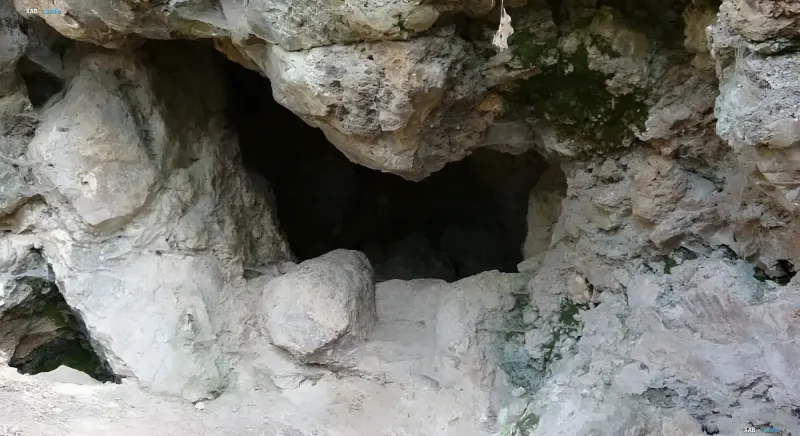
In the Çan district of Çanakkale province in northwestern Turkey, archaeologists have made a discovery that changes our understanding of the region's settlement during the Paleolithic era. In Inkaya Cave, located near a former village that has become a ghost town, evidence of human presence dating back 86,000 years has been found. These findings confirm that ancient humans did not merely pass through these lands but actively exploited their resources.
Reconstructing Migration Routes
Inkaya Cave has become a key archaeological site following six years of intensive excavations. Research, initiated after the site was discovered in 2016, has allowed scientists to glimpse the lives of Middle Paleolithic people. Professor İsmail Özer of Ankara University, who is leading the work, notes that these findings have radically changed the understanding of the historical significance of Çanakkale province.
Previously, it was believed that evidence of Paleolithic life in this region was extremely limited. However, new information indicates that the cave served as an important hub on the migration route of prehistoric populations between Anatolia and the Balkans. The location of the site makes it a unique testing ground for studying the adaptation of ancient humans to various environmental conditions.
Stone Age Technologies
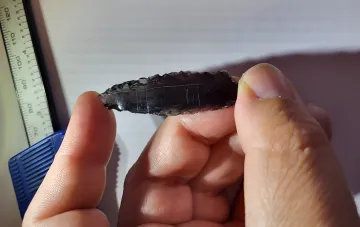
A team of 20 specialists focused their efforts on the eastern slopes of the cave, where the oldest remains were found. The main discoveries were hundreds of flint tools, demonstrating a high level of technological development at that time. Researchers note that the tools varied in shape and size, indicating their specialization for various tasks.
One of the most intriguing finds was a serrated tool which, according to experts, could have functioned like a modern saw. Artifacts constructed with handles were also discovered, likely attached to branches, bones, or antlers using resin. Their manufacture required careful work from ancient craftsmen: stone was thinned and edges were modified to create convenient working surfaces.
Survival Strategy
Researchers suggest that Inkaya Cave was not just a temporary camp. Groups of people remained in this area for long periods due to the presence of two critically important resources: flint for tool production and access to water. The geological structure of the cave allowed raw materials to be extracted directly from the surrounding environment, providing a significant advantage over other locations.
Despite the abundance of stone artifacts, archaeologists have not yet discovered organic remains—human bones, animal remains, or plant material. This absence makes the stone evidence even more valuable, allowing us to judge the technologies, although many questions about the daily lives and diets of the ancient inhabitants remain open. Future microscopic analysis of the stones may reveal traces of use and shed light on exactly how prehistoric people interacted with this world.