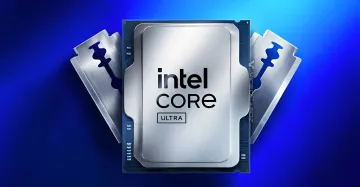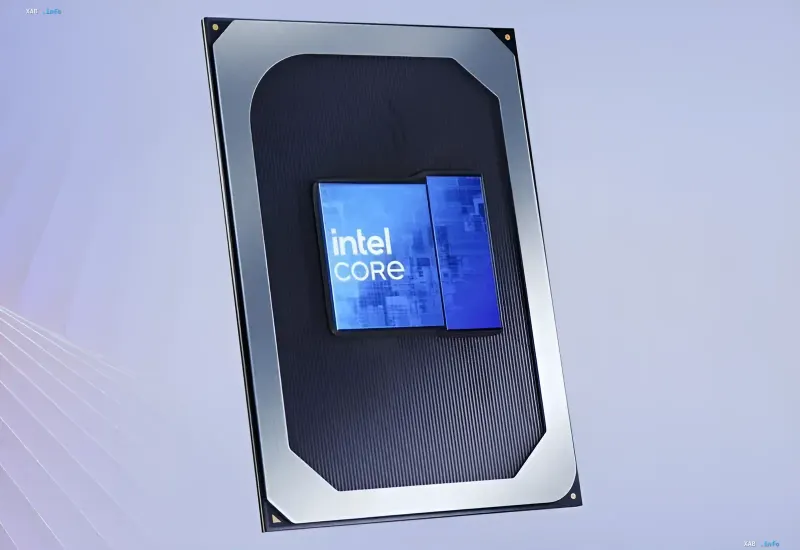
During a recent Intel financial results discussion, CEO Lip-Bu Tan stated that demand for the budget Wildcat Lake processor series is "outpacing supply." Chief Financial Officer David Zinsner clarified that all available chips in this series are already sold out. According to him, Intel is seeing "significant growth in interest in Wildcat Lake," and the processors themselves "arrived at just the right time, as they feature an attractive price point, and that is precisely where the main emphasis is being placed right now."
Budget Chips Amid Component Shortages
Statements from Intel top management came against the backdrop of a prolonged crisis in electronic component supply chains. In recent months, shortages of RAM and other elements have led to a steady increase in personal computer prices. Against this background, Intel Wildcat Lake processors have begun appearing in new, more affordable Windows-based laptops—specifically in Dell XPS 13 and HP OmniBook 5 14 models. Such devices attract buyers with their starting price, but are often equipped with only 8 GB of RAM, which is sometimes insufficient for a comfortable Windows experience.
Memory Forecast: Intel's Optimism vs. SK hynix's Pessimism
Answering questions about RAM availability, Zinsner was extremely frank: "Let's be candid: we are not optimistic about memory for next year. Let's see if the situation changes by 2028, but according to our forecasts, improvements should not be expected in 2027." At the same time, Intel's statements sound somewhat more optimistic than the forecast from South Korean memory manufacturer SK hynix, which estimates that the RAM shortage will persist until 2030. Thus, even under the most favorable scenario projected by Intel, market normalization for memory is not expected before 2028.
PC Market Slowdown and Industry "Renaissance"
Lip-Bu Tan specifically noted the slowdown in demand within the personal computer market, explaining: "The industry continues to overcome one of the most severe component shortages in its history, driven by unprecedented demand for 'super-intelligence' technologies." According to him, the surging demand for computing power for AI workloads has thrown supply chains out of balance, and the consequences of this imbalance are felt across all segments—from servers to consumer laptops. Nevertheless, Zinsner expressed cautious optimism regarding future prospects: "Despite this, we believe the PC market is poised for a kind of renaissance."
What This Means for Consumers
For the end user, the situation is shaped by several factors. On the one hand, the frenzy surrounding Wildcat Lake means that budget laptops featuring these processors will hit retail with delays, and their prices may rise as warehouse inventories are depleted. On the other hand, the limited amount of RAM (8 GB) in entry-level configurations of such devices may fall short of the requirements of modern Windows versions and popular applications, effectively forcing buyers to pay extra for memory upgrades. The combination of these factors makes purchasing an affordable laptop in 2026–2027 less predictable than in previous years.