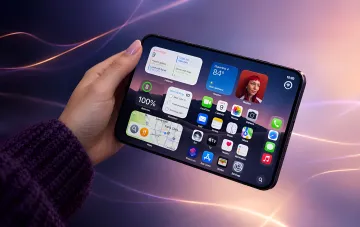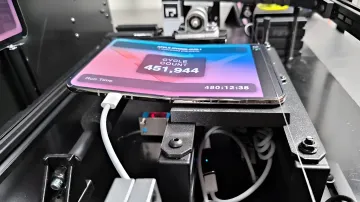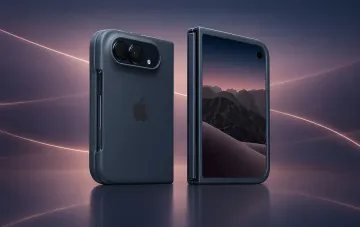
A little over two weeks have passed since the launch of the iPhone Duo, Apple’s foldable smartphone, which drew queues stretching into January even before its release. However, according to RBC, some buyers have already begun returning the device to stores. Former owners have cited several reasons: excessive weight, screen cracks, and general inconvenience of the form factor in everyday use. The standard 14-day return period, provided by Apple's policy, has prompted many to reconsider their purchase decision.
"An iPad in your pocket": A promise that didn't hold up in practice
At first, the ability to carry an "iPad in your pocket" seemed like an unquestionable advantage of the new device. The large foldable screen promised to replace both a smartphone and a tablet simultaneously. However, in real-world everyday scenarios, the concept failed. As users describe, they are accustomed to leaving a tablet on the table to watch videos or listen to podcasts while cooking, while keeping a smartphone close at hand to send messages or set a timer. With the iPhone Duo, both tasks must be performed on the same device: every new notification interrupts viewing, and attempting to quickly reply to a message forces multitasking. What was meant to simplify daily use has, according to owners, become a source of unnecessary distractions.
Hardware issues: Weight and screen fragility
The inconvenience of the form factor was not the only issue. Some buyers encountered reliability concerns. One iPhone Duo owner planned to use the smartphone for photo editing and wedding preparations, but the device's screen cracked on the second day of ownership. Apple promptly replaced the device, but the second smartphone ultimately had to be returned as well. This time, the reason was dimensions: the gadget proved too heavy and cumbersome for daily carrying and one-handed use. Thus, even a replacement could not fix the fundamental ergonomic complaints about the device.
Where former owners go: The ecosystem is stronger than the form factor
A curious observation is that none of the surveyed former iPhone Duo owners expressed a desire to switch to Android-based foldable models as an alternative. There are several reasons for this. First, the Apple ecosystem lock-in: users are accustomed to the connectivity between Mac, iPad, and regular FaceTime calls with family, and switching platforms would mean losing this integration. Second, after the experience with a foldable device, many decided to return to classic models—specifically, they chose a standard iPhone Pro instead of the larger Pro Max, which felt too bulky after comparison. Third, the experience of drawing on the inner screen of the iPhone Duo using the Apple Pencil inspired some users to make more active use of their existing iPad Pro models, which, as it turned out, are better suited for creative tasks.
Holiday return policy extends the window for buyers
In the US, Apple’s holiday return policy has been in effect since November 6, 2026. It allows customers who purchased an iPhone Duo during this period to return the device and receive a full refund until January 8, 2027, inclusive. This significantly extends the standard 14-day window and gives new owners additional weeks to test the device in real-world conditions and make an informed decision. Given that pre-order queues have stretched to January, a peak in returns is expected in the coming weeks, which could be an important indicator for Apple when evaluating the commercial success of its foldable line.