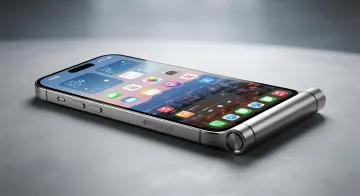
The first foldable smartphone in Apple's history, the iPhone Duo, went on retail sale on October 23, 2026, and just a month later, the market situation has shifted noticeably. While the device was initially positioned as a scarce flagship starting at $2,400 for the base configuration, it is now being offered with significant discounts on Chinese marketplaces. On the Pinduoduo platform, the smartphone is sold under a subsidy program where the price is reduced by approximately $150 from the launch price, with some platforms offering discounts of up to $225. As a result, the price of the base version now starts at $2,175 instead of the original $2,400. Such a price drop just four weeks after launch is rare for a device of this class and indicates that the initial hype surrounding the new product is gradually fading.
Initial Sales: Nearly 200,000 Units in the First Four Days
Despite the current easing of pricing policy, initial demand for the iPhone Duo was strong. According to IT Home, total sales for the first four days—the launch day and the three following—approached 200,000 units. For the first generation of a fundamentally new form factor, this is a significant result that confirms audience interest in Apple's foldable devices. However, it was this high initial demand combined with production constraints that created the shortage at launch, which now, judging by price dynamics in China, is beginning to stabilize.
Manufacturing Challenges: Invisible Crease and Low Yield
Behind the scenes of commercial success lie serious production challenges. According to insiders and data from the Chinese publication Jiemian News, the yield rate for the iPhone Duo at Foxconn factories barely reaches 60%, meaning nearly 40% of devices fail internal quality control. The main reason is attributed to Apple’s engineering ambition to make the screen crease virtually invisible: unlike competitors like Samsung, the company lacked years of experience in mass-producing "clamshells," and solutions that worked in labs proved difficult to implement on an industrial scale. It is these problems, according to experts, that initially led to forecasts of a severe shortage of the new product.
Apple's Stance: Ramping Up Production and Uncertainty Over Shortages
The company's management confirms that Apple is increasing production volumes of the foldable iPhone Duo, but, according to reports, the CEO could not provide a specific timeline for when the shortage would be completely resolved. Thus, Apple's public position remains cautious: the company acknowledges high demand and supply constraints but does not set a specific date for market saturation. Against this backdrop, discounts on Chinese platforms look like a local effect of subsidization and inventory management rather than a signal of global overproduction.
The overall picture consists of two processes: commercial demand for the iPhone Duo remains strong, while the production chain is gradually reaching operational capacity. The $150–$225 price drop in China is the first visible sign that the market is moving from a phase of shortage to a phase of normal pricing. For Apple, this is a vital test: whether it can maintain the device's premium status without allowing the rapid devaluation of the first-generation foldable iPhone.