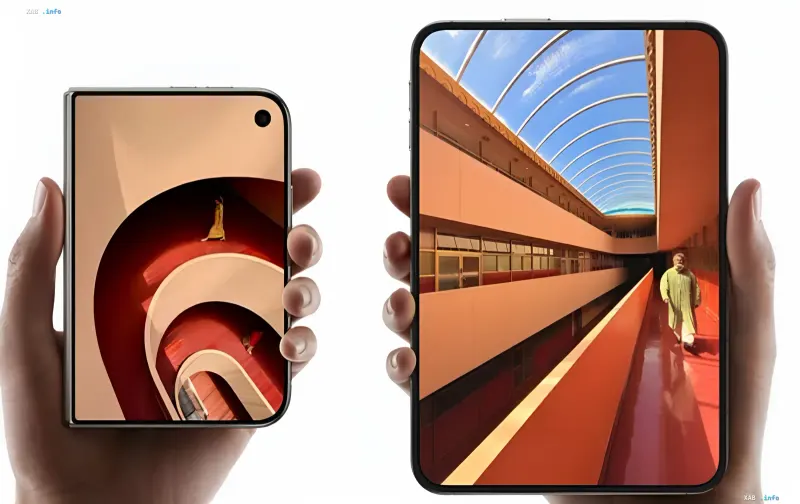
Despite the matte inner screen and updated software, Apple's first foldable smartphone, the iPhone Duo, received a number of significant hardware and software compromises compared to the flagship iPhone 18 Pro.
The main loss for users was the complete absence of the advanced FaceID face scanner. Instead, biometric authentication relies on a TouchID fingerprint sensor built into the physical power button on the side of the device.
Hardware compromises and ergonomics
The iPhone Duo also lost the separate mechanical-touch Camera Control button present in other modern models of the brand. Experts note that the lack of this control element along with simplified modules indicates the gadget is oriented toward content consumption rather than professional photo or video creation.
Camera limitations and shooting features
Unlike the classic iPhone 18 Pro, the foldable device received significantly limited photo and video capabilities. At the software level, the gadget lost professional Pro Controls settings, support for ProRAW shooting, and the ability to create spatial photos and videos for virtual reality headsets.
The internal foldable screen is equipped with an under-display camera for FaceTime calls, the resolution of which Apple keeps secret. Placing screen pixels over the lens reduces image quality, which is why the manufacturer refrains from calling it a selfie camera.
Controversial data
While some specialized analytical sources report a serious lag of the new device behind classic flagships due to hardware cuts and a price tag starting from $2,000, other insiders emphasize the innovative nature of the form factor and the sufficiency of characteristics for the mass consumer.
Despite existing limitations and a high starting price, for most routine tasks and social media, the capabilities of Apple's first foldable device will be quite sufficient. However, professional photographers and content creators should carefully consider these technical features before purchasing.