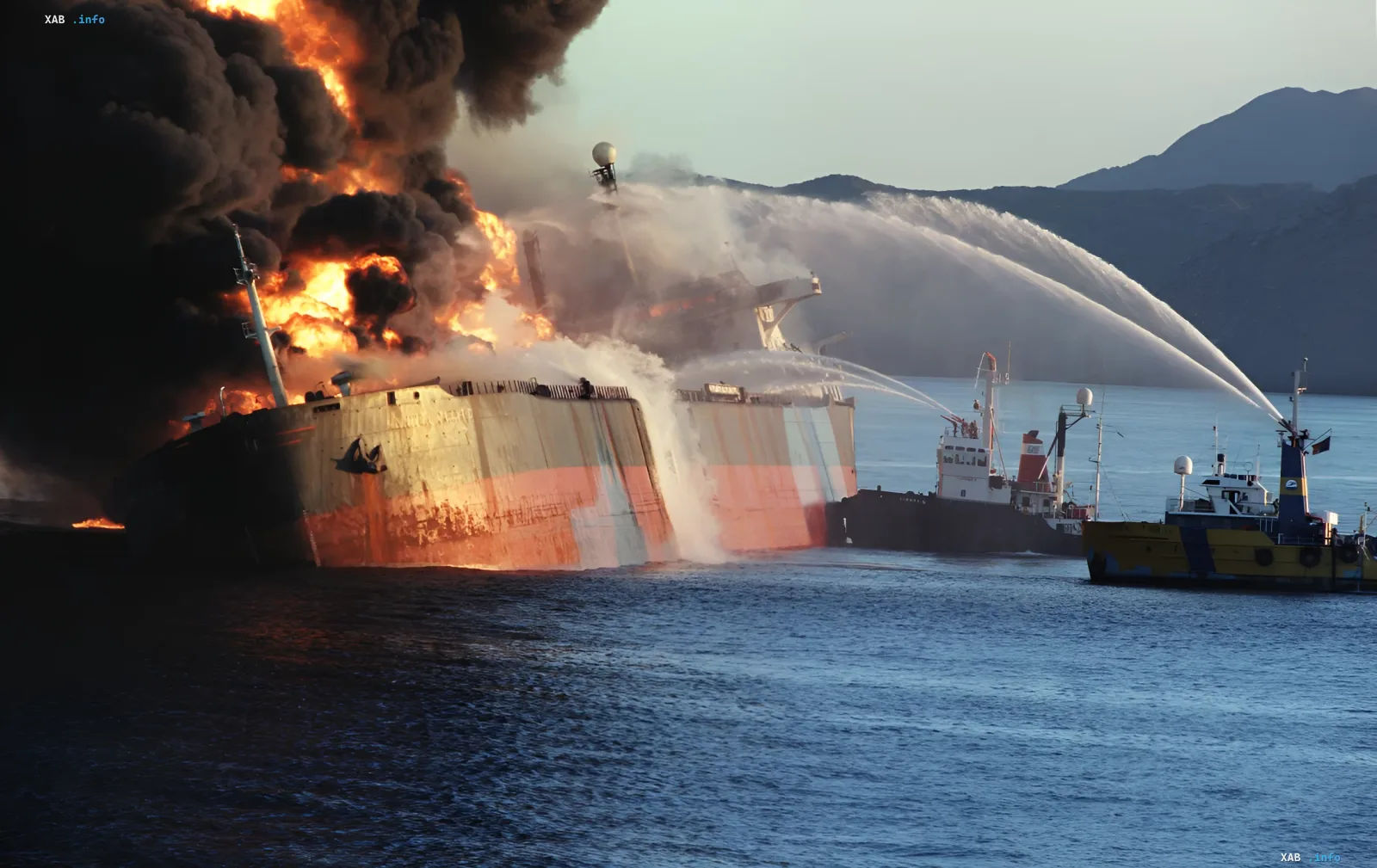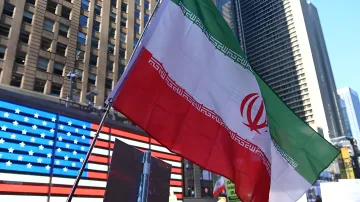
On August 12, 2026, the situation in the Persian Gulf remains tense, yet the rhetoric of the parties involved has undergone significant changes. Mohammad Reza Nakdi, the chief advisor to the commander-in-chief of the Islamic Revolutionary Guard Corps (IRGC) of Iran, outlined Tehran's strategy for the coming years in an exclusive interview with PBS. According to him, Iran is prepared for a protracted conflict with the United States that could last until the end of Donald Trump's presidential term, i.e., until 2029. Nakdi emphasized that Tehran views prolonging the war as a tool of deterrence, aiming to inflict exhausting losses on the adversary so that potential aggressors in the future understand the high cost of an attack.
Missile Potential and the Economics of War
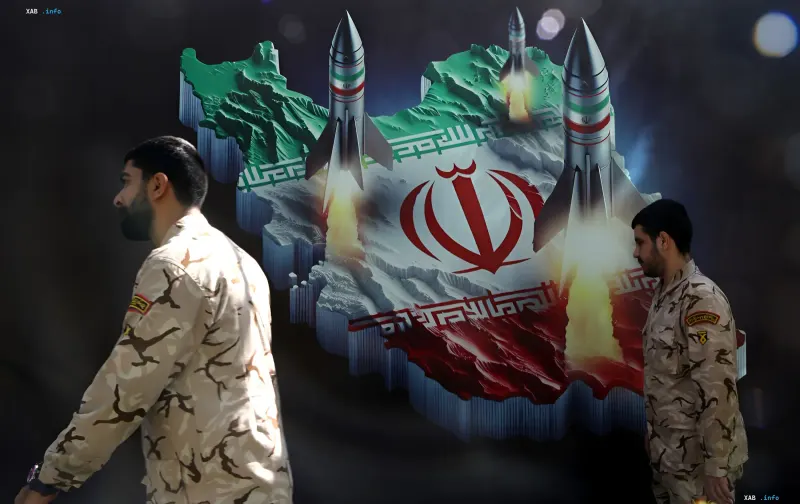
A key element of Iran's strategy is the preservation and expansion of its missile potential. Nakdi assured that Iran is capable of sustaining missile strikes even under conditions of a multi-year conflict. "Even if this war lasts for years, Iranian missiles will be launched," stated the IRGC representative. He explained that the country produces more missiles daily than it launches, allowing it to maintain pressure on the adversary without depleting its stockpiles. This statement confirms that Iran has shifted from a deterrence tactic to a tactic of constant attrition of the adversary's resources.
Assessment of Combat Operations and US Strategy
Evaluating the course of combat operations over the last five months, the Iranian side considers itself the victor. Nakdi asserts that the two main goals of the US — the overthrow of the Iranian leadership and the division of the country — have not been achieved. At the same time, he acknowledged that Iran has not yet reached its ultimate goal but assured that victory will continue in the future. The general also accused the US of lacking a clear strategy, noting that the American side changed its objectives every few days, considering various options for action, including strikes on Kharg Island and the Strait of Hormuz.
Change in Tactics in Washington
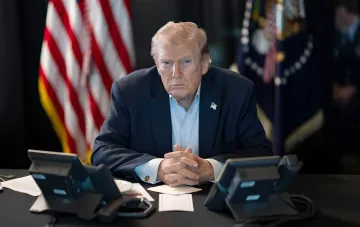
Meanwhile, the administration of US President Donald Trump has changed its approach to the war with Iran. Instead of new military strikes, the White House is betting on sanctions, economic pressure, and the blockade of Iranian ports, hoping to force Tehran into negotiations in this manner. Previously, Trump had already outlined his scenarios regarding Iran — waiting for the country's economic decline or resuming strikes. Iran, in turn, proposed conditions for opening the strait, insisting on charging fees for the passage of ships. This indicates a transition of the conflict into a phase of economic warfare, where each side attempts to undermine the economic resilience of the adversary.
Contradictory Data
There are discrepancies in the assessments of the effectiveness of actions by both sides. Iranian sources, including Nakdi's statement, claim that the US army performed weaker than Iran expected, and that during the five months of war, Iranian military personnel gained valuable experience. At the same time, Western sources, including The Atlantic, point out that the US has shifted to sanction pressure, which may indicate the ineffectiveness of direct military action. These contradictions highlight the complexity of assessing the real situation on the battlefield and the need for further monitoring of the development of events.