Tehran's Diplomatic Initiative
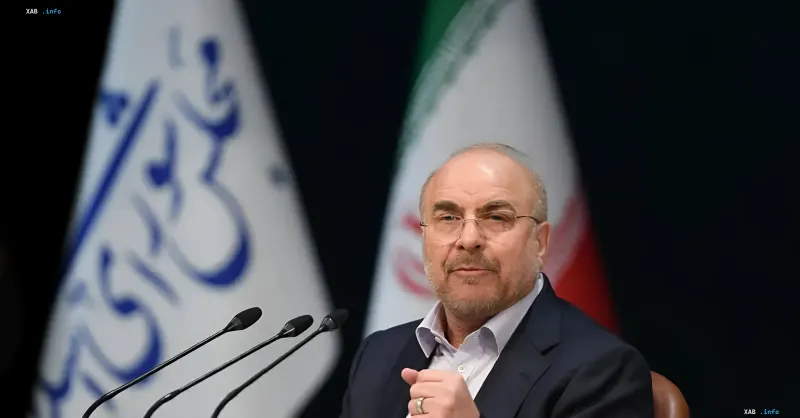
Against the backdrop of ongoing tensions in the Middle East, official Tehran is advancing a diplomatic initiative aimed, in its own wording, at forming an "autonomous regional security system" without the military presence of the United States and other Western countries. On August 22, Iranian Parliament Speaker Mohammad Bagher Ghalibaf stated in a post on the X platform that Iran had received "a number of messages" from neighboring countries regarding "the formation of new agreements in the areas of security and economic cooperation" in the region.
In the same message, Ghalibaf emphasized that, in his assessment, only an independent regional order "built from within" is capable, according to official Tehran, of bringing genuine peace and security to the region. Thus, the Iranian side positions its initiative as an alternative to external military presence and is betting on strengthening dialogue with the Gulf states, including, reportedly, Saudi Arabia and the UAE.
Sanctions Context and Foreign Ministry Reaction
On the same day, Iranian Foreign Ministry spokesperson Esmaeil Baghaei condemned new economic sanctions against Tehran. In his words, no country can compel foreign banks, companies, or organizations under its jurisdiction to cease legitimate trade with a third country. Earlier, as noted in the review, Washington imposed a ban on transactions and joint ventures with a number of individuals and organizations from a series of countries, including Iran.
Military Rhetoric: Shift to an "Offensive Doctrine"
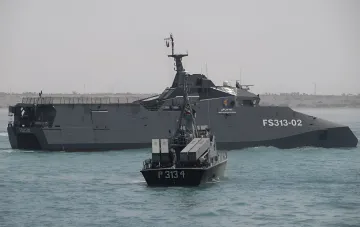
In parallel with the diplomatic track, Iranian military rhetoric has taken on a harder edge. According to the IRNA news agency, Iranian army representative Brigadier General Mohammad Akrainia stated that, in the context of recent conflicts with the United States and Israel, Iran's military doctrine, according to official Tehran, has shifted from defensive to offensive. Akrainia added that, in his words, the new doctrine includes not only preventive measures but also an "immediate and large-scale response" to any act of aggression.
Reaction from the Gulf States
Meanwhile, regional media, citing anonymous officials, reported that a number of Arab Gulf states are expressing disappointment with Washington's actions, which, in their assessment, "started a war but failed to protect" them. These reports have not been confirmed by public statements from the officials of the respective countries and are transmitted with reference to unnamed sources.
Contradictory Data
It is appropriate to note the internal tension in Tehran's public rhetoric. On the one hand, the diplomatic track (statements by Ghalibaf and Baghaei) emphasizes peaceful cooperation, economic agreements, and an "internal" order; on the other, the military leadership (Akrainia) declares a shift to an "offensive doctrine" and a "large-scale response." Moreover, the claim of Gulf states' "disappointment" is conveyed through anonymous sources and is not supported by official statements. All of the above formulations are the official rhetoric of Iranian authorities and regional sources, not established independent facts, which is important to bear in mind when interpreting them.