Tehran, August 17, 2026. Despite the signing of a memorandum of understanding between the US and Iran in mid-June, which formally suspended active hostilities, the real situation in the region remains extremely tense. According to sources close to the Iranian leadership, Tehran is convinced that the current lull is merely a tactical maneuver by Washington and Israel designed to buy time for a more massive strike. Instead of relying on diplomatic channels, the Iranian leadership has made the strategic decision to move to total mobilization.
The 'Salami' Strategy and Distrust of Trump
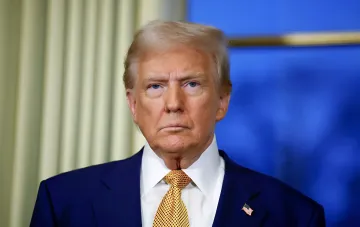
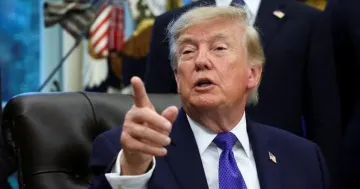
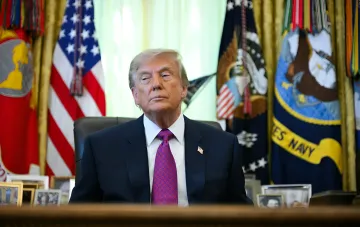
While representatives of US President Donald Trump's administration traveled the world to lobby for a deal that was supposed to open the Strait of Hormuz to shipping, a consolidated group of 'hardline' leaders has formed in Tehran. They have concluded that the memorandum is not a peace treaty but an attempt to reduce pressure on the global economy. As Mohammad Hassan Sangtarash, a defense analyst close to the Iranian government, notes, the prevailing opinion in the country is that 'the main war has not yet begun'.
Iranian strategists interpret current events through the prism of 'salami tactics' — limited and gradual escalation aimed at systematically weakening the adversary's capabilities before a decisive clash. This radical distrust of American partners has led Tehran to adopt a hard negotiating stance, constantly stumping the Trump administration and refusing new concessions.
Military Reform and Consolidation of Power
Over the last two months, Iran has undergone a deep restructuring of its military machine. A key step was granting the Islamic Revolutionary Guard Corps (IRGC) expanded control over the country's regular army. Veterans of the war with Iraq and former heads of units responsible for internal repression were appointed to key command positions. These figures, possessing experience in protracted conflicts, are tasked with preparing the country for the worst-case scenario.
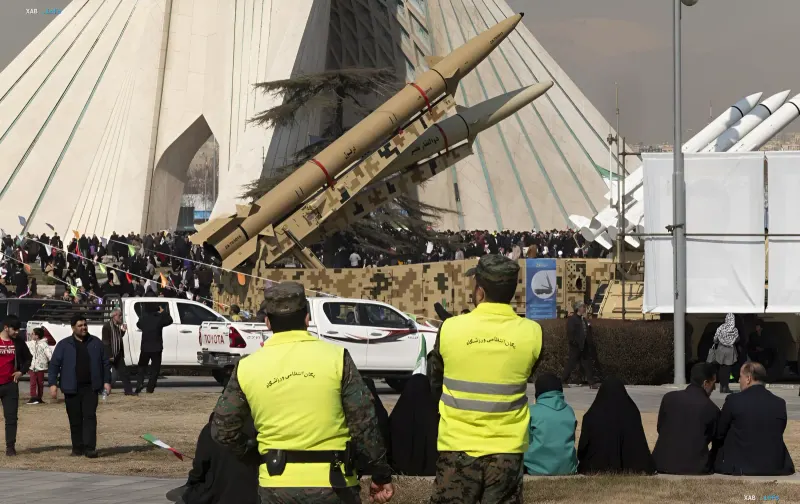
Parallel to personnel reshuffles, Iran has significantly expanded internal counterintelligence operations to eliminate sabotage and espionage in the rear. The country's industrial sector has shifted to a war footing: there is a sharp increase in the production of ballistic missiles and unmanned aerial vehicles, which are now viewed as the main tool of deterrence and offensive operations.
Expansion of the Theater of Operations
The Iranian leadership is not limited to passive defense. Tehran's strategy involves actively expanding the battlefield. In particular, Iran has tightened control over the Strait of Hormuz by attacking ships, creating a threat to global logistics. Moreover, the conflict has expanded to the Red Sea — a region that Saudi Arabia used as an alternative route to bypass the Iranian blockade of the Persian Gulf.
Arab intelligence services have provided evidence of a strategic shift in Tehran. Intercepted correspondence between Iran and allied groups in Yemen and Iraq contains information about the coordination of offensive operations. Iranian leaders increasingly declare their readiness to strike on enemy territory, causing serious concern among weaker Gulf states, such as Kuwait.
Contradictory Data
There is a fundamental gap in the perception of the current situation between Washington and Tehran. From the perspective of the US administration, the memorandum signed in June is a step towards de-escalation and restoring stability in the Strait of Hormuz. However, the Iranian side considers this document a temporary respite used by the enemy for preparation. US intelligence sources note that the Iranians are 'preparing for the conflict to resume', while official statements from Washington continue to insist on the diplomatic nature of the agreement. This discrepancy creates a high risk of accidental escalation if one side misinterprets the actions of the other.
Goals and Consequences
Tehran's main goal at this stage is to inflict such serious damage on the enemy as to guarantee the impossibility of repeating attacks similar to those Iran experienced during the 12-day war in 2025. Country leaders are striving to create a situation where the price of any new aggression against Iran is unacceptably high for the US and its allies. Thus, Iran is preparing its forces to expand the war, seeking to raise the costs for the adversary to a critical level.