In the Strait of Hormuz, one of the world's key energy arteries, a new round of diplomatic and political conflict is unfolding. In August 2026, tensions reached a critical point following a loud statement by US President Donald Trump about his intention to declare this strategic waterway US territory. In response, Tehran expressed categorical disagreement with such ambitions, stating its readiness to continue the blockade of the strait in the event of pressure from Washington.
Iran's response to "fantastic illusions"
Deputy Foreign Minister of Iran Kazem Garibabadi reacted sharply to the words of the American leader in his message on the social network X. The Iranian diplomat emphasized that the attempt to "seize" a strategic route through political statements, demonstration of military might, or election speeches is doomed to failure. According to Garibabadi, the Strait of Hormuz cannot be annexed neither by a tweet, nor by an order, nor by an aircraft carrier.
"Once and for all, accept reality: by this point, you have suffered strategic and heavy defeats," stated the representative of the Iranian Ministry of Foreign Affairs. He called on the US to abandon "fantastic illusions" regarding control over the region, reminding that the strait historically belonged to Iran, belongs to it now, and will remain so in the future. Garibabadi also emphasized that the decision to open or close the strait is made exclusively in Tehran.
Donald Trump's position and strategic risks
The initiative of US President Donald Trump, voiced during a speech on Long Island, caused a wide resonance in the international community. Trump stated that he would "very soon" declare the Strait of Hormuz US territory, but did not provide any details on how Washington plans to implement this plan legally and factually. Jurisdiction over the strait is currently shared between Iran and Oman, making the American leader's statement extremely controversial from the point of view of international law.
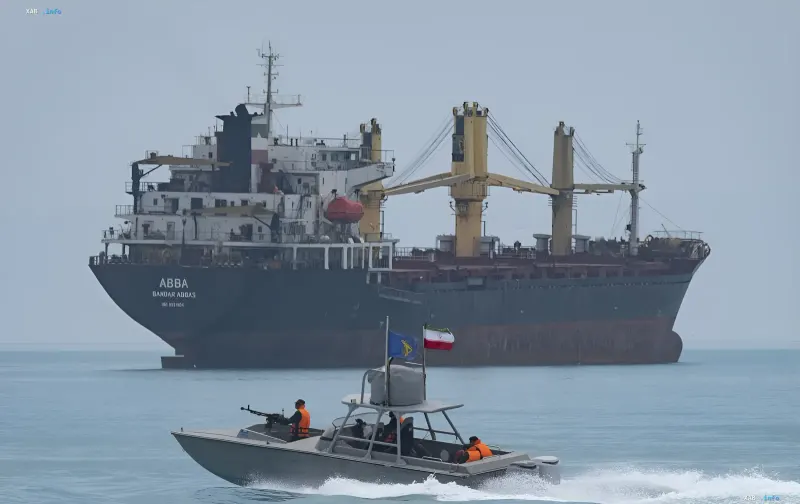
Experts note that such statements could lead to an escalation of conflict in the Persian Gulf, where the likelihood of military clashes is already high. Iran, for its part, has repeatedly stated its readiness to use all available means to protect its interests in the region, including the blockade of the strait, through which a significant portion of the world's oil supplies passes.
Contradictory data
While the Iranian side insists on its exclusive right to control the strait, the US and its allies believe that the Strait of Hormuz is an international waterway, access to which should not be restricted by a single state. Differences in the interpretation of international law and historical rights to the strait create grounds for further conflicts. Moreover, there are contradictions in the dates and wording of the statements: some sources indicate that Trump planned to declare the strait US territory in the near future, while others report that this is merely a rhetorical gesture without real plans for implementation.
Consequences for the world economy
A blockade of the Strait of Hormuz could have catastrophic consequences for the world economy. About 20% of the world's oil consumption passes through this narrow waterway daily. Any restriction of access to the strait will lead to a sharp rise in energy prices, which will put pressure on the economies of importing countries and could trigger a global economic crisis. In this regard, the international community calls on all parties to exercise restraint and dialogue to avoid escalation of the conflict.
Conclusions and prospects
The situation around the Strait of Hormuz remains extremely tense. Iran demonstrates firmness in its position, refusing to yield to US pressure. At the same time, Washington continues to insist on its right to control strategic routes. In the coming months, a further exacerbation of the situation is expected, which could lead to serious consequences for regional and global security. The international community must be ready for various scenarios of events and take measures to prevent military conflict.