Threat of Expansion: Iran Targets Alternative Oil Routes
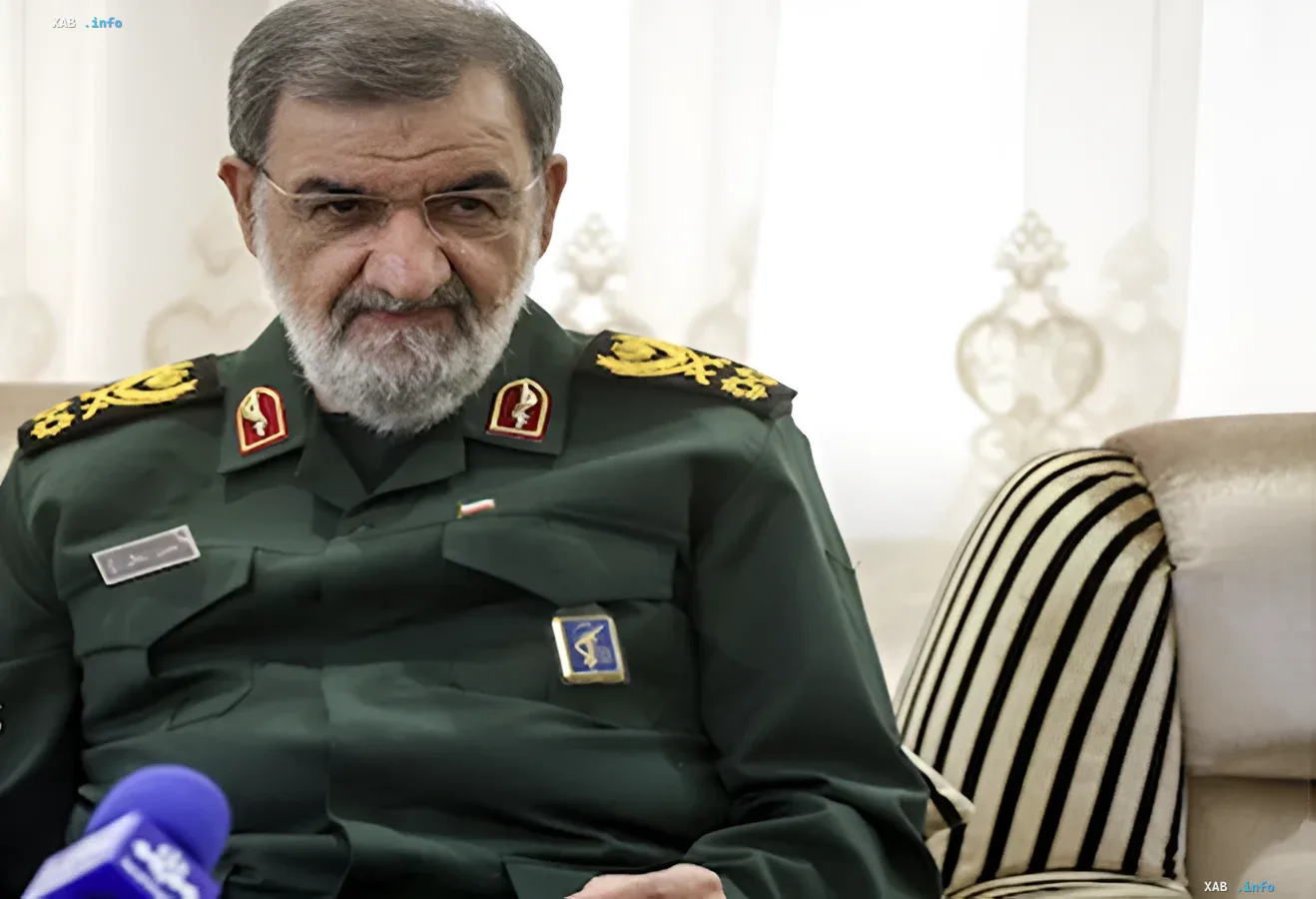
Mohsen Rezaei, Secretary of Iran's Supreme National Security Council, stated on state television on the evening of August 22, 2026, that the Islamic Republic is prepared to strike not only oil tankers passing through the Strait of Hormuz but also other oil processing and export routes out of the Persian Gulf. According to him, if regional countries join the US sanctions against Iran, "not a single drop of oil will be transported from the Persian Gulf or the Strait of Hormuz." Rezaei emphasized that in such a scenario, Iran would "consider other routes for exporting oil from the region as its targets."
Escalation Conditions: Tied to US Sanctions Policy
Rezaei's statement is clearly conditional in nature: the threat to expand the geography of strikes is activated by one specific condition — the participation of neighboring countries in the US economic war against Iran. "We call on all neighboring countries not to participate in the US economic war against Iran, otherwise Iran will consider them enemies," the general stated on live broadcast. At the same time, he stressed that Tehran "does not want to escalate the conflict," but added: if the neighbors support Washington in the sanctions pressure, this would "damage Iran's interests," which, by his logic, would be regarded as an act of hostility.
Status of the Strait of Hormuz: "Will Remain Closed"
Separately, Rezaei stated that the Strait of Hormuz "will remain closed until the United States changes its behavior." The wording "will remain closed" indicates that the strait is already in a state of de facto blockade or restricted transit. Earlier, at the end of July 2026, attacks by Iranian forces on tankers attempting to pass through the strait were recorded, and the UAE Foreign Ministry publicly reported an Iranian attack on a tanker in the region's waters. Thus, Rezaei's threat of August 22 represents not a primary warning but an escalation: after the de facto closure of the strait, Iran declares its intention to shift pressure to alternative channels of oil export.
Context: The Role of the US Navy and Bypass Routes
According to The New York Times, cited by Ukrainian media, the US Navy is escorting shipments of approximately 5 million barrels of oil per day through the Strait of Oman — a key alternative route that allows bypassing the Strait of Hormuz. This confirms that the logistics of oil export from the Persian Gulf have already been restructured around the American military presence. Iran's threat to "consider other export routes as targets" is aimed precisely at these bypass channels: the Strait of Oman, the ports of the UAE, Saudi Arabia and Kuwait, as well as the coastal infrastructure through which oil is pumped into tankers for further transportation.
Geopolitical Consequences and Regional Reaction
Rezaei's statement effectively puts the countries of the Persian Gulf in a dilemma: support the US sanctions regime and risk becoming "enemies" of Iran with the corresponding military consequences for their own oil infrastructure, or distance themselves from Washington and maintain neutrality. For the global oil market, where traditionally about 20% of the world's oil passes through the Strait of Hormuz and adjacent waters, such rhetoric means direct pressure on prices and insurance rates. Tehran, in essence, declares that it is ready to turn the entire Persian Gulf into a risk zone for oil transit if the economic pressure from the US-led coalition is not lifted.