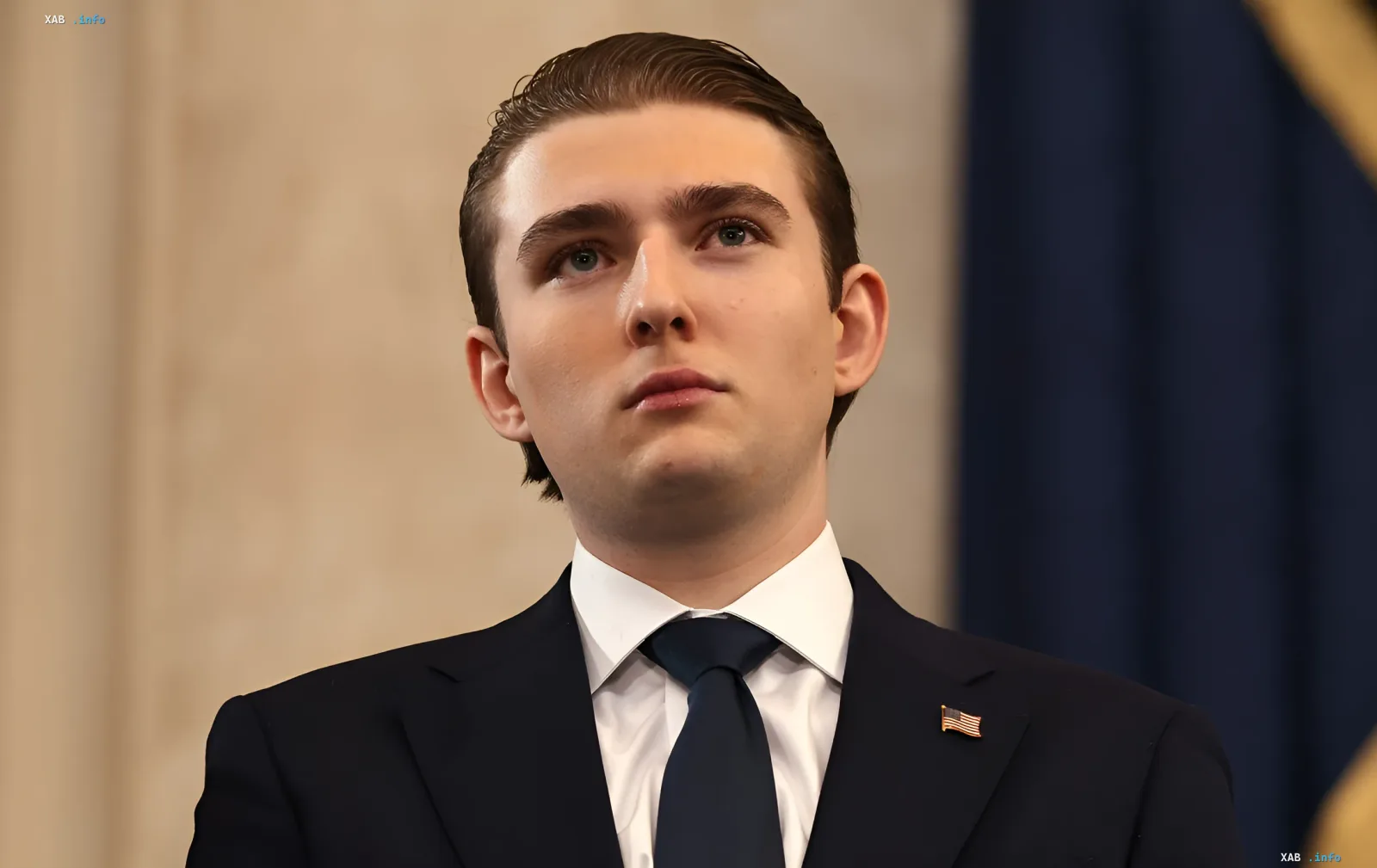
Iranian state television aired a three-minute video discussing a potential conspiracy to kill 20-year-old Barron Trump — the younger son of U.S. President Donald Trump. According to Reuters, the broadcast claimed that the young man was being monitored and that a $10 million bounty had been placed on his head. The U.S. Secret Service is already aware of the video's existence and, in its own statement, said it reviews any signals that could be perceived as a threat to the individuals it protects.
What Exactly Was Shown on Air
According to a Reuters report, Iranian state television aired a short, roughly three-minute clip. It not only discussed an alleged conspiracy against Barron Trump but also claimed that he was being surveilled and that a $10 million reward had been offered for his killing. Importantly, the material referred to a 'potential' conspiracy and to intentions, rather than to a confirmed fact of a terror plot being prepared: no independent confirmation of an actual operation or of any bounty payment exists in the provided sources.
Official Reaction from the U.S. Secret Service
In an emailed statement, U.S. Secret Service spokesperson Nate Herring said the agency is aware of the video and is 'investigating anything that could be perceived as a threat to our protectees.' He emphasized that, for operational security reasons, the service does not discuss matters involving intelligence information related to protection. The wording of the statement is extremely cautious: it confirms only that the agency has reviewed the clip and is checking the signals, not that there is a confirmed threat or an assassination attempt in the making.
Context: A Nearly Six-Month U.S.–Iran Confrontation
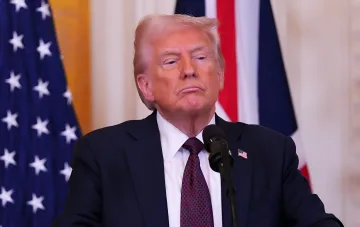
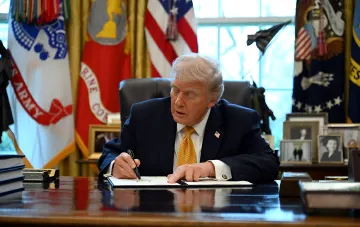
According to Reuters' assessment, the incident is unfolding against a backdrop of hostile rhetoric that the United States and Iran have maintained throughout a nearly six-month war that, per the agency, was started by the U.S. and Israel in February. Earlier that same month, Reuters reported that over the past year the United States had received several warnings from Israel that Iran intended to kill Donald Trump, including before a covert operation involving an Air Force One aircraft in Turkey. The U.S. president himself had publicly called himself 'number one on Iran's target list.' It is noted that after the July NATO summit, Trump left Turkey not on the presidential aircraft but on a military plane, with the transfer reportedly carried out secretly — using a food truck.
Contradictory Data
The provided materials contain several inconsistencies that must be reflected honestly. First, the Iranian clip asserts a conspiracy and a $10 million bounty, yet neither the Secret Service nor any other independent source confirms the existence of a real conspiracy or an assassination attempt in the making — the agency merely states that it is 'reviewing anything that could be perceived as a threat.' Thus, there is a gap between the bold claims of Iranian state TV and the restrained position of U.S. authorities: the latter do not acknowledge the fact of a terror plot being prepared. Second, the clip names the president's son — Barron Trump — as the target, whereas Donald Trump himself had previously stated publicly that he is 'number one' on Iran's target list. This discrepancy over who, according to different versions, is the main focus of the threat further suggests that some of the on-air claims may be intended as propagandistic pressure rather than reflecting a confirmed intelligence picture.
Significance of the Incident
Regardless of whether the clip reflects genuine intelligence activity or is an element of information warfare, its broadcast on Iranian state television in the midst of a nearly six-month conflict intensifies the threat rhetoric and shifts the focus from the president's figure to members of his family. For the U.S. Secret Service, this means a need to reassess protective measures not only for the head of state himself but also for his close family, and for the public agenda — a new episode of escalation in which words from a hostile broadcast become the subject of an operational review by U.S. intelligence services.