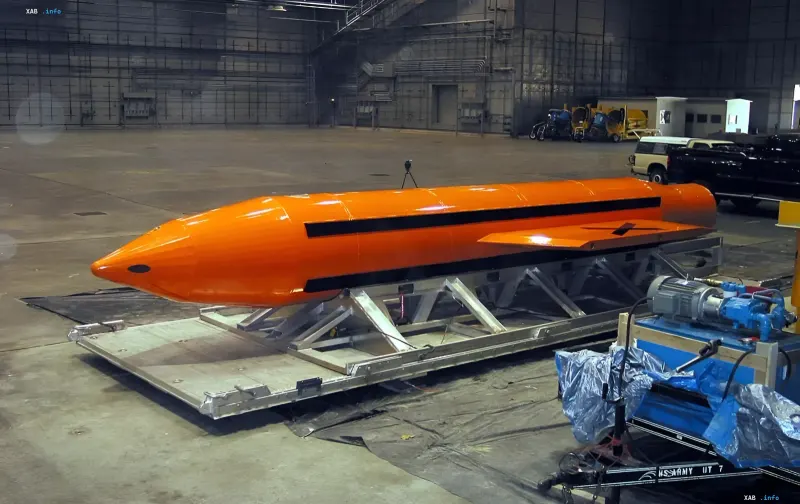
U.S. military leadership and the presidential administration are drafting new plans for potential strikes against strategic Iranian targets, including energy infrastructure and underground nuclear facilities. According to CNN, one of the coercive options under consideration is the deployment of the largest non-nuclear bomb in the U.S. arsenal, the GBU-43/B Massive Ordnance Air Blast, widely known as the MOAB.
Strikes on Iran's Nuclear Program and Energy Sector
The Pentagon's and White House's emerging strategy involves a multi-pronged approach targeting vital components of Iran's economy and defense infrastructure. One scenario entails massive airstrikes against Iranian energy facilities, potentially utilizing the high-yield MOAB bombs. Another option focuses on subterranean installations, specifically around the Pikes Peak area, where U.S. and Israeli intelligence estimate Tehran stores key components of its nuclear program.
White House Position and Military Planning
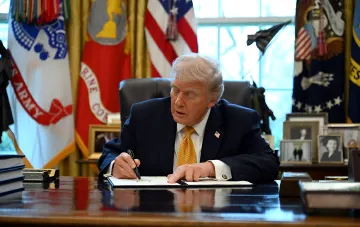
U.S. President Donald Trump has repeatedly threatened to strike the Pikes Peak site and stated that his goal is to prevent Iran from acquiring nuclear weapons. Over the past few weeks, the president's advisers have held a series of closed-door meetings to discuss various escalation options. Although the White House chief publicly announced he would refrain from taking major steps prior to the midterm elections, several advisers privately noted uncertainty over whether this position is final.
Pentagon Directive and Effectiveness Assessments
Regional tensions escalated further after U.S. Defense Secretary Pete Hegseth ordered the U.S. Central Command to finalize preparations for resuming large-scale combat operations. Deploying the MOAB in a potential conflict with Iran would represent a significant escalation. At the same time, numerous sources and experts express skepticism regarding the weapon's actual effectiveness in achieving stated strategic goals or shifting the balance of power.
Implications for Regional Stability
The potential use of an unprecedented non-nuclear munition against Iranian targets carries massive risks of a wide-scale regional war. Such a move could provoke reciprocal escalation from Tehran and its Middle Eastern allies, threatening critical energy transit routes. Future developments will depend on the outcome of confidential discussions in Washington and the readiness of the U.S. leadership to execute hardline military scenarios once the current political cycle concludes.