Japanese private space company ispace has announced a strategic shift in its lunar program. For the first time in its history, the startup will send its lander into space aboard the national H3 launch vehicle produced by Mitsubishi Heavy Industries (MHI). This decision marks a new stage in the development of Japanese commercial spaceflight.
New module and national launcher
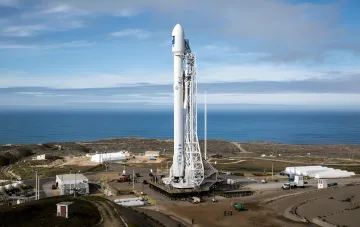
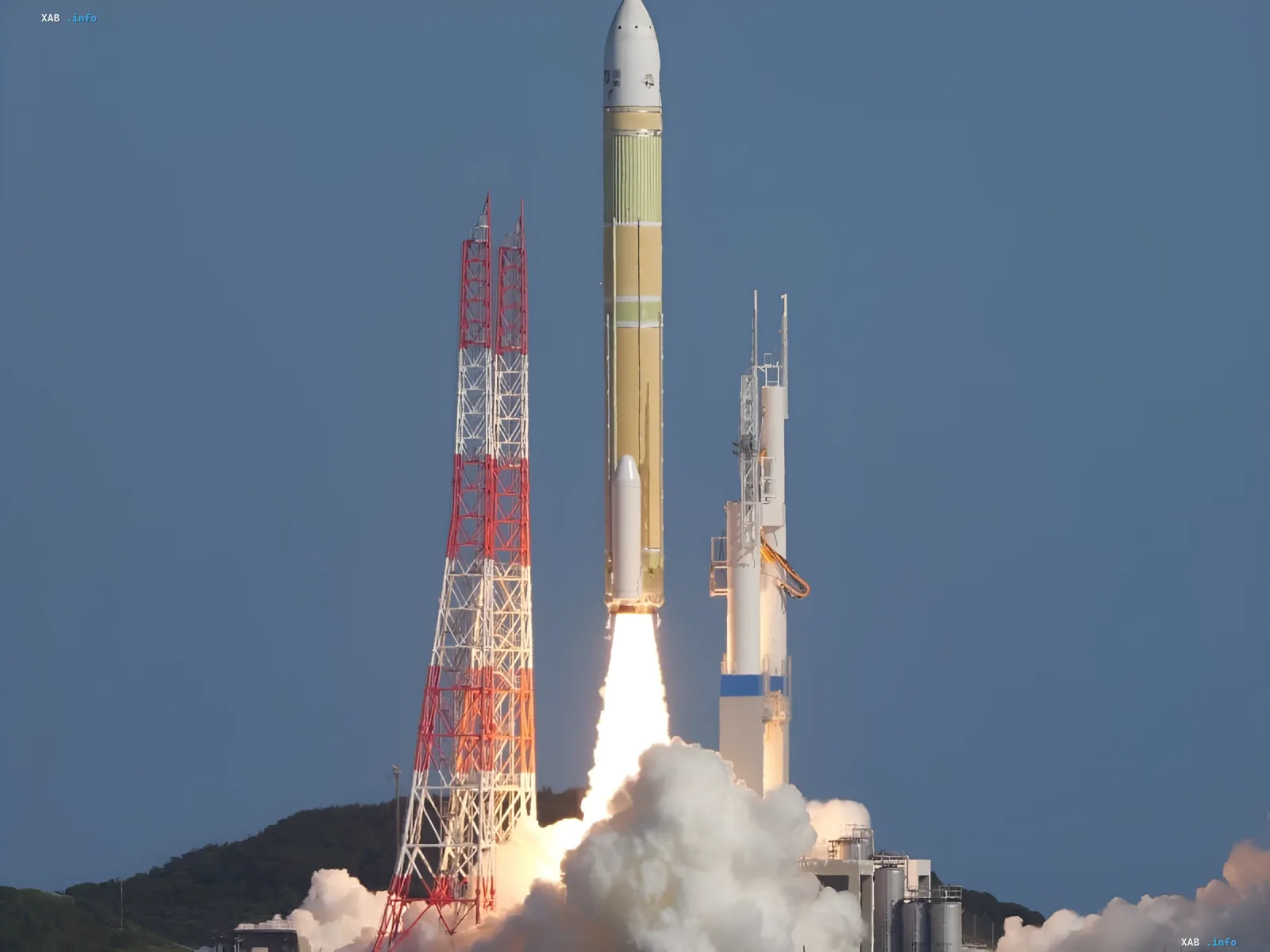
The mission, named Mission 3, is scheduled for 2028. The main event will be the launch of the new Ultra lander. This will not only be the debut mission for the upgraded vehicle but also the first time the H3 rocket will launch a spacecraft for a Japanese private startup. Previously, under Mission 1 and Mission 2, ispace relied exclusively on Falcon 9 rockets from the American company SpaceX.
Representatives of ispace and Mitsubishi Heavy Industries emphasized that their agreement goes far beyond a standard launch contract. The companies intend to create the first private cargo transport system to the Moon in Japan. When choosing H3 as the primary launcher, engineers considered not only the patriotic aspect and the use of national infrastructure but also the rocket's technical characteristics, launch conditions, and compatibility with the design of the new lander.
Economics and reliability
The exact cost of the contract between the parties is not disclosed, but the economic motives for the decision are obvious. ispace CEO Takeshi Hakamada noted that the weakening of the Japanese yen made launches, the cost of which is indexed in US dollars, significantly more expensive for Japanese customers. Switching to a national launcher allows for the optimization of the mission budget.
At the same time, the company's management does not hide that the decision was made taking risks into account. The H3 rocket has demonstrated reliability issues in the past: out of eight launches, two ended in failure. However, after MHI returned the launcher to full operation and made the necessary improvements, ispace specialists considered the current risk level acceptable for realizing ambitious plans.
Global plans and international cooperation
Despite switching to a Japanese launcher for the 2028 mission, cooperation with SpaceX is not ceasing. Already in July, ispace announced plans to send its new Mobile Cargo System to the Moon aboard the Starship spacecraft. This launch is scheduled no earlier than 2030.
At the same time, the company is expanding the geography of its projects. The European division of ispace received a contract from the European Space Agency (ESA) worth 65 million euros. The funds will go towards completing the development of the MAGPIE rover. This vehicle will head to the Moon's south pole as part of Mission 4 in 2029. The main task of the expedition will be the search for water ice and detailed research of the lunar soil.