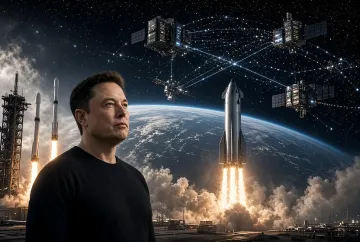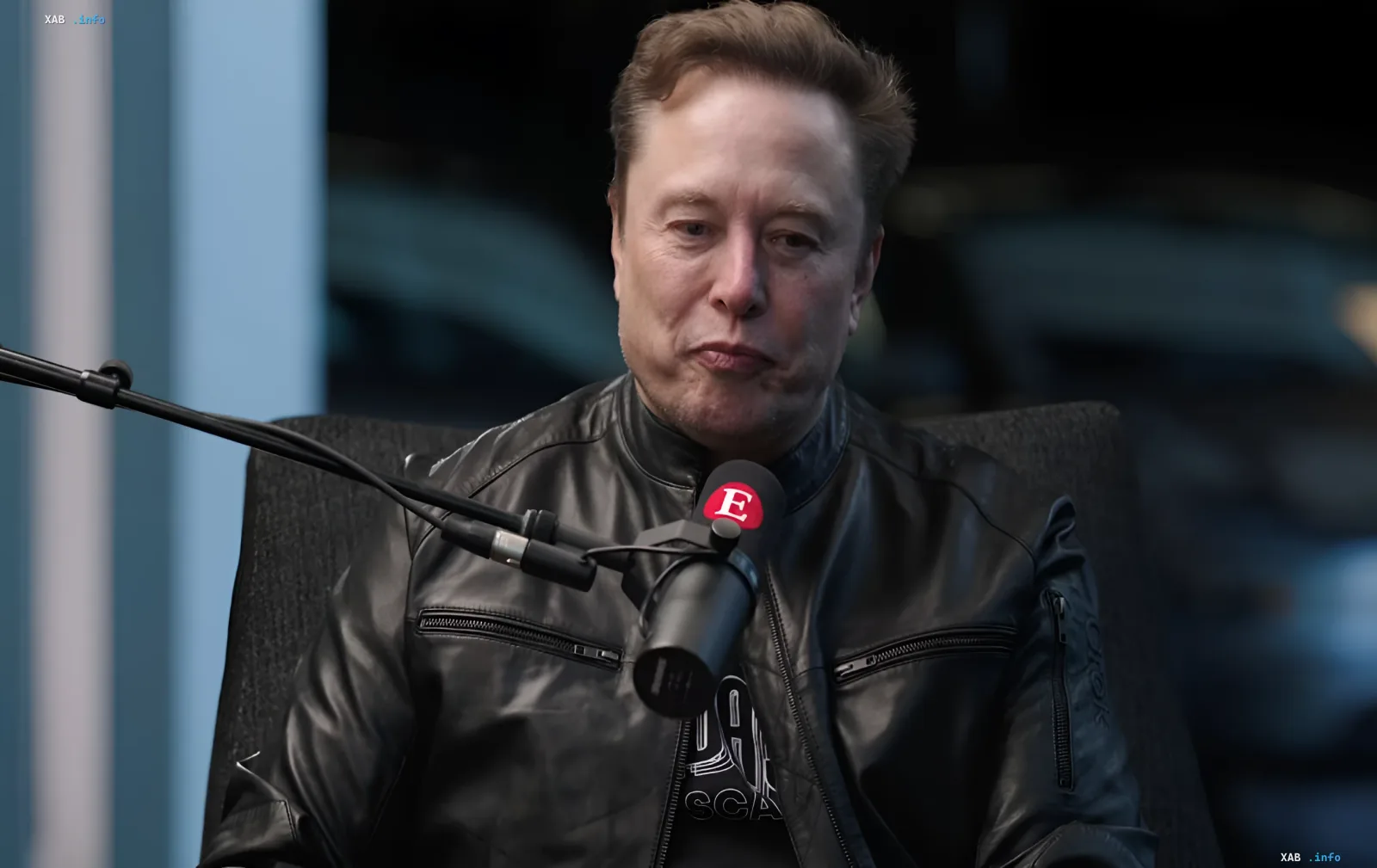
Elon Musk, one of the most influential visionaries of our time, gave a major interview to The Economist, in which he outlined radical predictions regarding the future of artificial intelligence and the global economy. The founder of SpaceX and Tesla described a scenario in which traditional concepts of labor and money will become obsolete in the coming decades.
The Era of Unprecedented Abundance
Musk admitted that technological development evokes mixed feelings in him: both excitement and horror. However, in his opinion, stopping this process is already impossible. The entrepreneur outlined a clear roadmap for change:
- In 5 years: The capabilities of algorithms will surpass the combined intelligence of all people living on the planet.
- In 10 years: Humanoid robots will take over most physical tasks, while intellectual functions will be fully transferred to AI.
Musk is convinced that this technological leap will lead to an era of unprecedented abundance. In such a world, money may lose its current meaning, and the main economic challenge will not be inflation, but deflation. In order for society to adapt to the transition period, governments, according to the billionaire, will have to introduce a system of universal high income, effectively "writing checks" to citizens.
Technological Rivalry Between the US and China
A significant part of the conversation was dedicated to relations between the US and China in the field of high technology. He called for not banning the use of Chinese AI models in America, arguing that such measures will not stop the progress of the East. According to him, Beijing has "good chances" to become a world leader thanks to powerful energy resources and large-scale robot production.
In addition, Elon Musk noted that China is significantly closer to creating its own equipment for the production of modern microchips than most Western analysts believe.
Mechanism of Mutual Control
Recognizing the risks associated with the creation of super-powerful models, Musk proposed a mechanism for international cooperation. He advocated for leading American and Chinese laboratories to open access to new developments 1–2 weeks before their official release. This will allow competitors to identify potential threats and inform governments in a timely manner.
In conclusion, the entrepreneur declared his readiness to postpone a long-standing personal conflict with OpenAI CEO Sam Altman. Musk emphasized that for the safe development of technology and the "good of the world," personal disagreements should take a back seat. Developing at an incredible speed, artificial intelligence requires humanity not to fear, but to know how to "enjoy this journey".