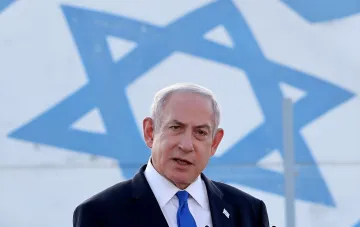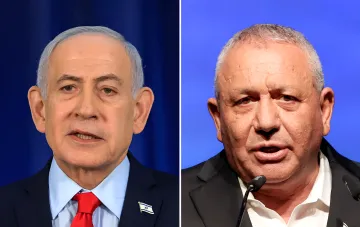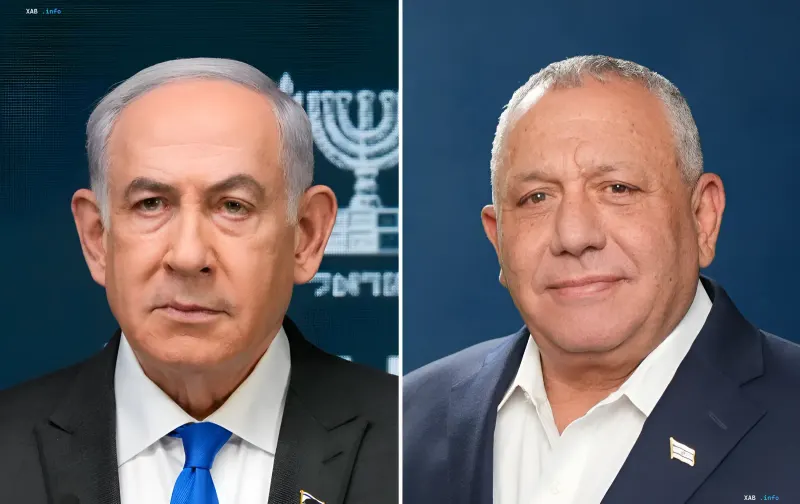
On Tuesday, October 27, 2026, early parliamentary elections were held in Israel. The initial exit polls published immediately after the polling stations closed painted one picture of the mandate distribution between the two main political blocs. However, updated data released late into the night on October 28 significantly altered the balance of forces. This was reported by RBC-Ukraine, citing The Times of Israel.
Leadership Change: Netanyahu's Bloc Takes the Lead
According to an updated exit poll by Channel 12, the bloc of parties led by incumbent Prime Minister Benjamin Netanyahu won 52 mandates, taking first place in the Knesset. Just a few hours earlier, immediately after the polls closed, this same bloc was in second place behind its opponents. Conversely, the opposition bloc led by Gadi Eisenkot, head of the 'Yashar' party, slipped: its result was initially estimated at 50 seats, but according to the latest data, it stands at 49.
Other Channels Record a 51-Seat Tie
Exit polls from other television channels show a more balanced picture. According to Kann 11, both the government and opposition blocs receive 51 mandates each. An updated exit poll by Channel 13 also records a 51-51 result, although the vote distribution among individual parties within the blocs differs slightly from Channel 12's figures. Thus, none of the sources recorded a stable lead of one bloc over the other by more than two or three mandates, and the initial picture showing Netanyahu's bloc lagging behind proved temporary.
First CEC Counts: Likud — 27.75%, Yashar — 16.34%
The Central Election Commission of Israel has already begun publishing the first official vote counts on its website. Out of more than 7.3 million ballots cast, just over 300,000 have been counted at the time of publication. According to these preliminary figures, Benjamin Netanyahu's Likud party is garnering 27.75 percent of the vote, while Gadi Eisenkot's Yashar party stands at 16.34 percent. It is emphasized that this is only the beginning of the count, and the final distribution of mandates between the blocs may differ from the exit polls.
Record Turnout Since 1999
Voter turnout in the October 27 elections was 77.7 percent, which is 7.1 percentage points higher than the 2022 election figure. This is the highest turnout in Israel since 1999, indicating high political mobilization among voters and showing that the issue of the future government is perceived by society as extremely significant.
Key Question: Will Netanyahu Retain Power?
The central question of these elections is whether Prime Minister Benjamin Netanyahu will be able to form a coalition and retain the post of head of government. The spread in exit polls between 51 and 52 mandates for Netanyahu's bloc and 49–51 mandates for Eisenkot's bloc means that neither side holds an outright majority of 61 mandates. The final configuration of the Knesset and the possibility of forming a government will depend on the results of smaller parties and coalition negotiations, which are expected to begin after the CEC completes the full vote count.