On Tuesday, October 27, 2026, regular parliamentary elections were held in Israel. As of the evening count, the final voting results have not yet been tallied, but a key indicator that analysts call historic has already been recorded: voter turnout reached a 27-year high. This was reported by RBC-Ukraine, citing data from The Times of Israel and Israel's Central Election Commission (CEC).
Record Turnout: 77.7% vs 70.6% in 2022
According to the Israeli Central Election Commission, voter turnout as of 10:00 PM local time stood at 77.7%. For comparison, at the corresponding stage of counting in the 2022 elections, the figure was 70.6%. Thus, the current turnout not only exceeds last year's — it is the highest at the time of closing polling stations since 1999. This means the Israeli electorate is demonstrating a steady increase in political activity, which itself is a noticeable shift in a country where turnout over the past decade has consistently hovered in the 60–70% range.
Why Figures Might Still Rise
The Times of Israel emphasizes that the recorded 77.7% is practically final, but not absolute. According to Israeli election legislation, polling stations close at 10:00 PM, but voting at any station where queues remained at closing time continues until every voter standing in line has cast their ballot. This means some citizens voted after the formal closing time, and the final turnout after counting concludes could end up slightly higher than 77.7%. Nevertheless, the scale of the numbers is already determined: this is a record that has not been broken in almost three decades.
Exit Polls: Eisenkot's Opposition Ahead by Two Seats
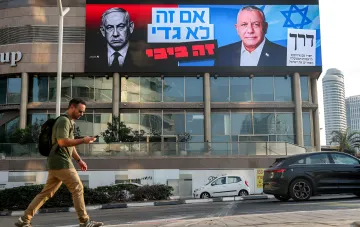
According to updated data from several exit polls, the opposition bloc of parties led by Gadi Eisenkot is projected to win 52 seats in the new 120-seat Knesset. The pro-government bloc led by incumbent Prime Minister Benjamin Netanyahu wins 50 seats, according to the same data. Two Israeli Arab parties, which traditionally never join government coalitions, collectively win 18 seats. The sum of these three blocs (52 + 50 + 18) totals 120 seats, fully comprising the new Knesset.
Netanyahu's Chances: More Votes, More Leverage
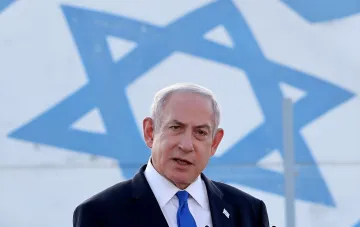
At the same time, the exit polls highlight an important nuance: Netanyahu's Likud party on its own wins slightly more votes than Eisenkot's Yashar party. This gives the incumbent prime minister an argument to claim the mandate to form a new coalition, which under Israeli law is usually handed to the leader of the party that won the most votes. However, as observers note, if the election results truly match the exit poll data, forming a stable majority in the new Knesset looks unlikely: neither of the two main blocs commands the 61 seats necessary to form a government.
Official Counting Has Just Begun
At the time of publication, official election results have not yet been published: the Israeli Central Election Commission website does not yet display data on seat allocation. The official vote count is only just beginning, and final figures may differ from the exit polls. Thus, the coming days will determine who exactly will lead the coalition-forming process and whether a working majority can be assembled in the new Knesset.