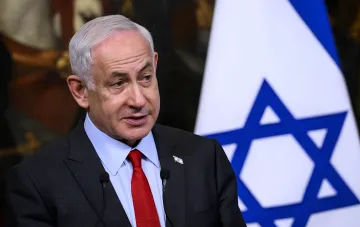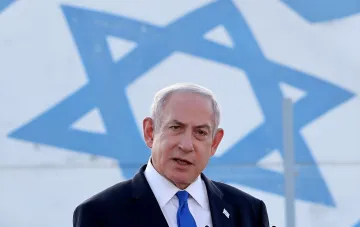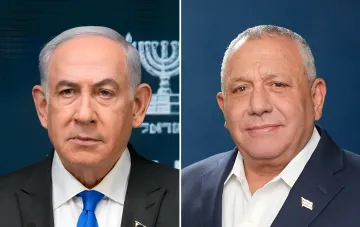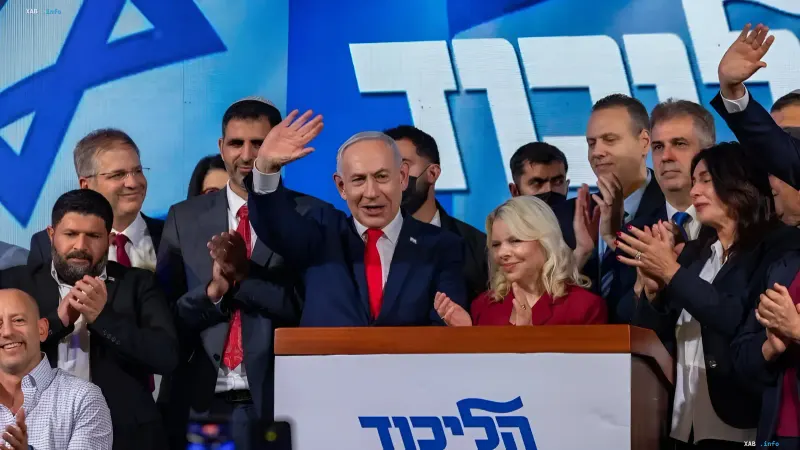
Following the Israeli parliamentary elections held on October 27, 2026, the bloc led by incumbent Prime Minister Benjamin Netanyahu is maintaining its lead according to preliminary data, yet it falls short of the number of mandates required to form a government alone. Based on 66.2% of the votes counted, Netanyahu's coalition is expected to secure 56 seats in the 120-seat Knesset—five seats short of a majority. Official results are promised by November 4, while counting continues and figures remain subject to change.
Netanyahu's Bloc Ahead, But Falls Short of Majority
Among individual parties, Netanyahu's Likud maintains the lead in seat count with a projected 27 seats. It is followed by Gadi Eisenkot's Yashar with 21 seats. The Together coalition and the predominantly Arab list are estimated to win 11 seats each. The Democratic Party and the United Jewish Alliance may secure 9 seats each, Yisrael Beiteinu 8, Shas and Otzma Yehudit 7 each, Religious Zionism 6, and the United Arab List (Ra'am) 4. According to the Central Election Commission, no bloc has currently reached the 61 seats needed to form a parliamentary majority.
Eisenkot's Opposition and the Decisive Role of Arab Parties
The opposition coalition led by former army chief of staff Gadi Eisenkot is projected by Israeli media to win 48 seats, while parties representing predominantly Arab voters will secure the remaining 16. These exact 16 mandates could prove decisive: with the support of Arab lawmakers, the opposition block could reach 64 seats and form a government. Thus, Arab parties are expected to play a significant role in determining the future cabinet, regardless of which side they end up supporting.
Lieberman's Call and the Minority Government Scenario
Amid speculation over the potential formation of a minority government backed by Arab lawmakers, Yisrael Beiteinu leader Avigdor Lieberman called on Likud deputies to rebel against Netanyahu. According to Israel's Channel 12, Lieberman accused the prime minister of "destroying the nationalist movement" and stated that he must step down from politics. Reportedly, he opposes the scenario of relying on Arab parties and seeks to lure away some deputies from the center-right Likud to help Eisenkot's bloc secure a majority without such support.
Washington's Stance
Meanwhile, US President Donald Trump stated that his public endorsement of Netanyahu significantly helped the Israeli prime minister's supporting bloc achieve results that exceeded expectations. On October 25, Trump expressed "full and unwavering support" for Netanyahu amid the political pressure the prime minister faced regarding security issues, the situation in Gaza, and Israel's international standing.
What's Next
According to Israeli election authorities, turnout in the parliamentary elections stood at 77.7%, the highest figure since 1999. Vote counting continues, with official results expected on November 4. Afterward, Israeli President Isaac Herzog will hold consultations with party leaders and task the candidate he assesses to have the best chance of building a coalition with forming a government. The key question remains whether Netanyahu's bloc or Eisenkot's bloc will manage to gather 61 mandates—and with the help of which partners.