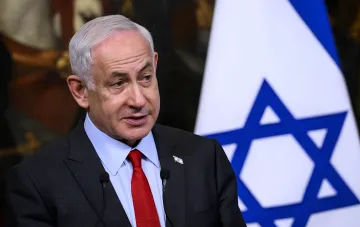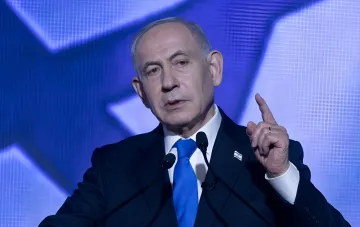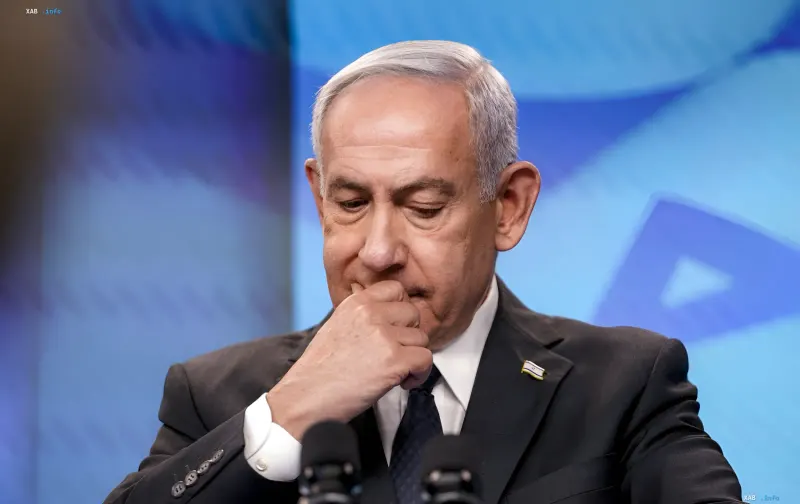
Following the processing of 97.3% of ballots in Israel's parliamentary elections, the bloc of parties supporting Prime Minister Benjamin Netanyahu is in the lead. However, neither political block has secured enough mandates to independently form a government, RBC-Ukraine reports citing The Times of Israel.
Counting Results and the Majority Threshold
Forming a government in the Knesset requires at least 61 mandates, representing an absolute majority. As of 97.3% of processed votes, neither the coalition nor the opposition camp has reached this threshold, meaning they must seek allies and negotiate coalition formation. The final distribution of seats among the factions at the time of publication is not yet fixed and may be adjusted as the remaining votes are counted.
From Exit Polls to Final Count
The trajectory of the results turned out to be non-linear. The initial exit polls published immediately after polling stations closed on October 27 indicated a slight advantage for the opposition. However, as ballots were processed, the picture changed: updated data shows that Netanyahu's party bloc is capable of either tying with opponents or pulling ahead by two mandates. Thus, the question of the leader remains open until the complete vote count.
Record Turnout
Voter participation deserves special attention: turnout in the elections reached 77.7%, the highest figure since 1999. Such activity indicates high political mobilization in society and shows that voters view the outcome of the vote as fundamentally important.
What's Next
Final results may change after counting the remaining ballots, including votes from military personnel and diplomats stationed abroad. These very votes often determine the final alignment when the margin between blocs is minimal. Following the official announcement of results, the process of consultations to form a new government will begin.
Regional Significance
The outcome of the elections and the composition of the future government directly affect Israel's foreign policy and the situation in the Middle East. More details on how the voting results may impact the regional context can be found in a separate RBC-Ukraine report.