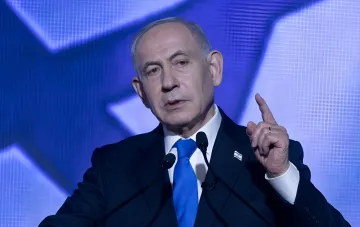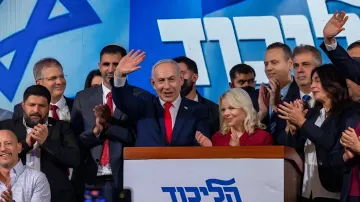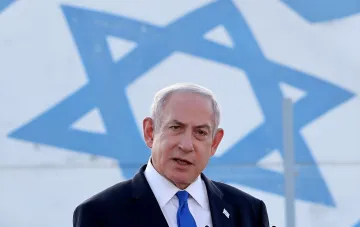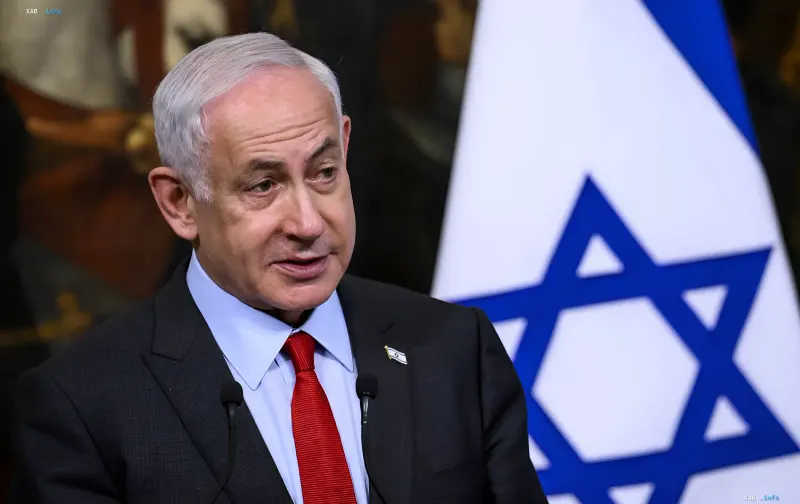
The vote count is ongoing in Israel following the parliamentary elections held on October 27, 2026. According to the Central Election Commission, as reported by The Times of Israel and relayed by RBC-Ukraine, the bloc led by incumbent Prime Minister Benjamin Netanyahu is winning 53 seats in the Knesset with over 85% of the votes counted.
Counting Status: 85.6% of Ballots Processed
The commission has processed about 93% of regular ballots, which accounts for 85.6% of the total. Forming a parliamentary majority requires at least 61 seats, meaning Netanyahu's current bloc result does not guarantee him independent coalition support. There remain the remaining 7% of regular ballots and about 600,000 votes cast in double envelopes to be verified and added in the coming days.
The 3.25% Threshold: Who Failed to Enter the Knesset
Several political forces failed to clear the 3.25% electoral threshold: 'Reservists' (2.6%), 'People of Israel' (1.6%), and 'Haredi' (0.2%). Consequently, these blocs will not be represented by deputies in the new parliament.
Record Voter Turnout and Intense Campaign Context
The October 27 elections recorded the highest voter turnout since 1999, exceeding 77.7%. The campaign unfolded against a backdrop of fierce political rivalry and security challenges in the region, which observers note boosted electorate engagement. During earlier stages of the count, according to various reports, Netanyahu's bloc also led ahead of the opposition alliance, though exact figures fluctuated as ballots were processed.
Coalition Puzzle: 61 Mandates Ahead
The key issue remains the configuration of the future coalition, as neither bloc has yet secured an absolute majority of 61 mandates. This means the final balance of power will depend on negotiations between the parties that crossed the threshold and the allocation of votes from the double envelopes.
Implications for Ukraine and the Middle East
Experts analyzed the potential consequences of the Israeli elections for Ukraine and scenarios for developments in the Middle East. According to them, an opposition victory could have revitalized dialogue between Kyiv and Jerusalem, particularly in countering Iranian drones and exchanging military expertise. At the same time, a government reshuffle in Israel is capable of significantly impacting the overall balance of power and geopolitical situation in the region.