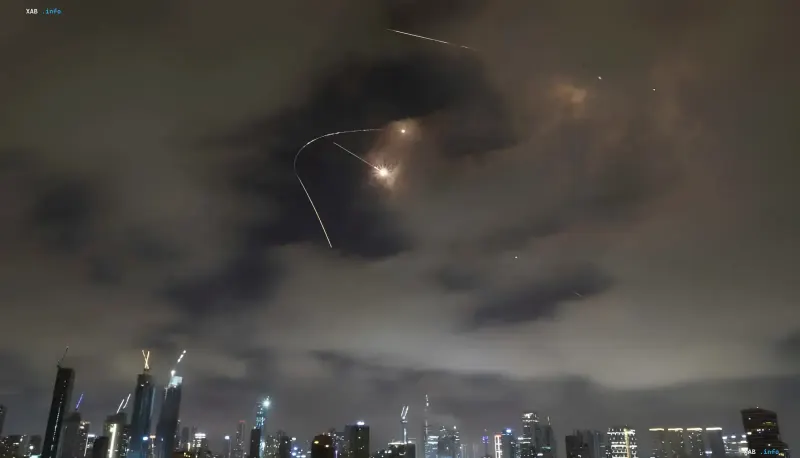
On the night of August 9, 2026, the sky over Dubai was illuminated not by festive fireworks, but by the trails of intercepted missiles and the operation of air defense systems. This ominous visual spectacle served only as confirmation that tensions in the Middle East have reached a critical point. According to reports received from Tel Aviv, Israel is preparing the ground for an independent military campaign against Iran if Washington refuses to participate directly in the conflict.
Strategy of the "Lone Warrior": Israel's Plans
Israeli Channel 13, citing high-ranking sources in the IDF command, reported that the military is currently actively developing detailed plans for cross-border operations. These scenarios involve striking strategic Iranian objects without direct support from American aviation. The decision to move to unilateral actions is dictated by the US position, which, despite pressure from allies, remains committed to seeking a diplomatic compromise and a peaceful resolution to the crisis.
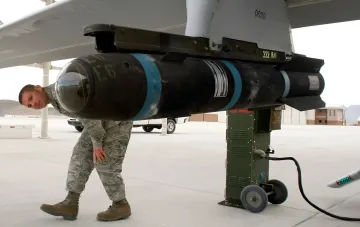
Washington fears that direct participation in the war could drag the US into a full-scale regional conflict that would become too costly and dangerous. However, Tel Aviv, assessing the threat from the Iranian nuclear program and proxy forces, is ready to take the risk. Israel's military plans include the use of its own aviation and precision missiles to neutralize key Iranian targets.
Iran's Response: Threat to Security in the Strait of Hormuz
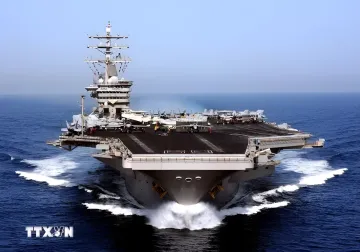
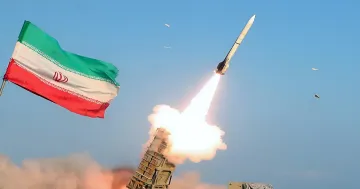
In response to the growing threat from Israel and the US, the Iranian leadership has taken a tough stance. A high-ranking general of the Islamic Revolutionary Guard Corps (IRGC) stated that the acceptance by the US of current conditions regarding maritime navigation and security in the Strait of Hormuz is inevitable. Iranian military officials warn that any attempts at escalation will lead to significant losses for Pentagon forces in the region.
Iranian strategists are betting on asymmetric warfare, using their capabilities in the Strait of Hormuz to create a threat to the global economy. Closing the strait or mining the waters could paralyze oil supplies to world markets, which would become a powerful lever of pressure on Western countries.
Contradictory Data
There are discrepancies in assessments of the timing and scale of a possible operation. On the one hand, sources in Tel Aviv say that plans are already detailed and can be implemented at any moment. On the other hand, American analysts believe that Israel will still wait for a signal from Washington before starting active actions. Furthermore, there are disagreements regarding exactly which targets will be attacked: some sources point to nuclear facilities, others to energy infrastructure.
Risk of Regional Conflict
If the Israeli government decides to apply unilateral military measures, this could provoke a large-scale regional conflict involving third countries. Experts from the relevant defense ministries constantly monitor the actions of the aviation and air defense forces of both sides, assessing the risk of a large-scale retaliatory missile strike. In the event of escalation, the conflict could involve not only Iran and Israel, but also other regional players, including Syria, Lebanon, and pro-Iranian groups.
The situation requires immediate international intervention to prevent a catastrophe. However, while diplomatic efforts are not yielding results, the region stands on the brink of a new war that could change the geopolitical map of the Middle East.