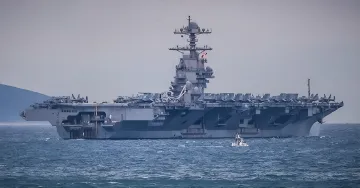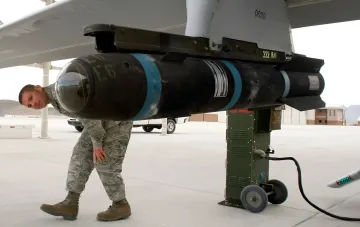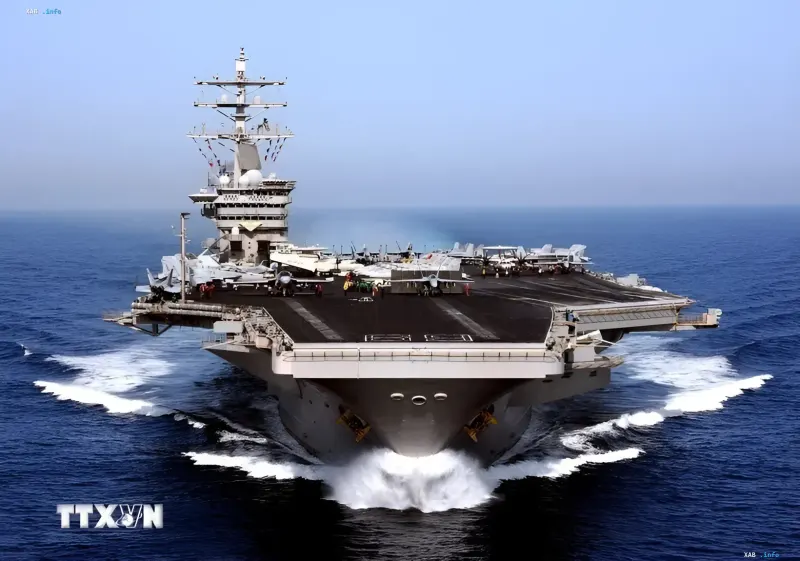
The United States is developing a large-scale plan to deploy a naval strike group featuring up to three aircraft carriers and escort ships to the Middle East. This move demonstrates Washington's resolve amid stalled diplomatic efforts with Tehran and persistent regional instability. The bolstered military presence aims to signal readiness for any scenario and protect allied strategic interests.
Maritime Security and Tehran's Conditions
The situation in the region's vital waterways remains extremely volatile. Iran, for its part, has tied the resumption of traffic through the strategic Strait of Hormuz to security guarantees from the United States. Meanwhile, analysts note that the confrontation is gradually shifting from the military domain into financial and economic spheres.
Financial Pressure and Economic Sanctions
Alongside building up its naval strike capabilities, Washington continues expanding restrictive measures against key sectors of the Iranian economy. Experts believe this financial pressure is designed to strip Tehran of resources used to back proxy groups and disrupt regional trade. This containment strategy has yet to yield rapid de-escalation, instead amplifying mutual distrust.
Contradictory Data
While official sources report a sweeping plan to deploy three carriers simultaneously, independent reports and expert circles show discrepancies regarding exact arrival timelines within the U.S. Central Command area of operations. Some analytical centers indicate that reinforcements are being sent in phases due to logistical challenges and rotation requirements.