The United States is continuing a massive expansion of its military presence in the Middle East, deploying a third carrier strike group and thousands of troops to the region. Amidst a conflict with Iran that has already entered its eighth month, the US presidential administration is banking on strengthening force groupings while keeping all tactical options 'on the table'. Such steps are sparking fierce discussions within American society, especially ahead of the upcoming midterm congressional elections in November.
Scale of Force and Asset Transfers
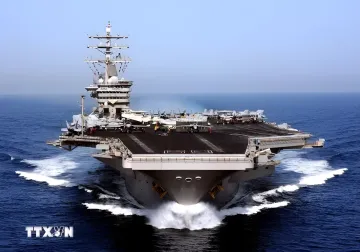
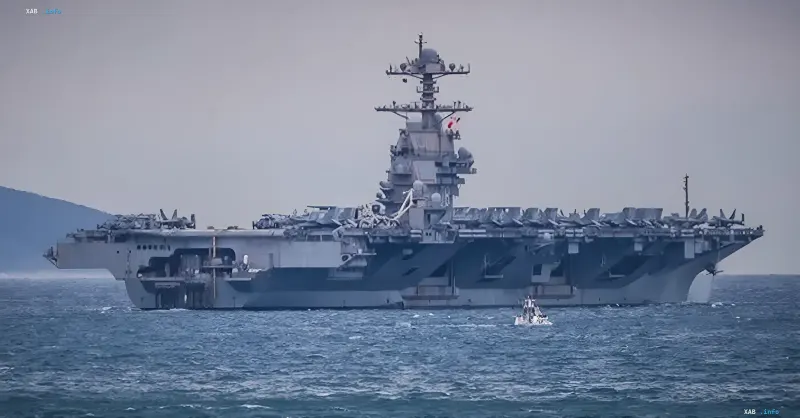
According to US officials, the USS Theodore Roosevelt carrier strike group departed its base in San Diego on September 27, setting course for the Middle East. A day later, it was joined by a US Marine Corps expeditionary unit aboard the amphibious assault ship USS Makin Island, carrying approximately 2,000 Marines. According to specialized agency estimates, the new deployment will bring an additional 9,000 to 10,000 service members into the region, including sailors and personnel from escort vessels. By the end of November, three US aircraft carriers and two amphibious groups are scheduled to be positioned in the immediate vicinity of Iran.
Context and Military Infrastructure
Washington relies on a sprawling network of military facilities in the Middle East spanning at least 19 locations, including eight permanent bases in countries such as Bahrain, Kuwait, Qatar, and the UAE. Since the beginning of the year, the Pentagon has transferred over 120 aircraft to the region, including F-35 and F-22 stealth fighters, as well as AWACS airborne early warning aircraft. Defense Secretary Pete Hegseth emphasized that American units are on high alert and ready to carry out any orders from the commander-in-chief.
Contradictory Data
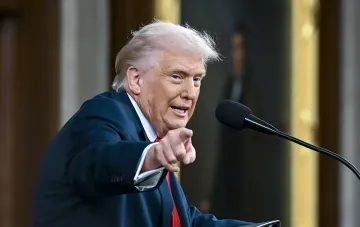
While official Pentagon sources insist that the contingent reinforcement is deterrent in nature and intended to back up diplomatic efforts, independent analysts and media outlets point to clear signs of preparation for a protracted campaign. Specifically, President Donald Trump, in an interview with Time magazine on October 1, did not rule out increasing the intensity of airstrikes against targets in Iraq and Iran following the midterms. Meanwhile, critics within the US note the extreme unpopularity of escalation among voters, creating serious political risks for the ruling party.
Political Consequences and Outlook
The Middle Eastern vector remains one of the most sensitive factors in American domestic politics. The approach of the November elections increases pressure on the White House, which must navigate between national security requirements and pacifist sentiments among a significant portion of the electorate. Experts agree that even if temporary agreements are reached with Tehran, the Pentagon has no intention of rapidly dismantling the created infrastructure, leaving strike groups in strategically vital waters.