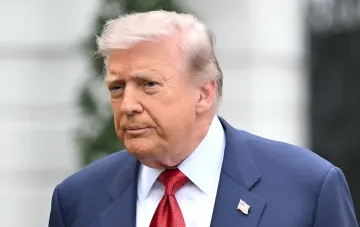
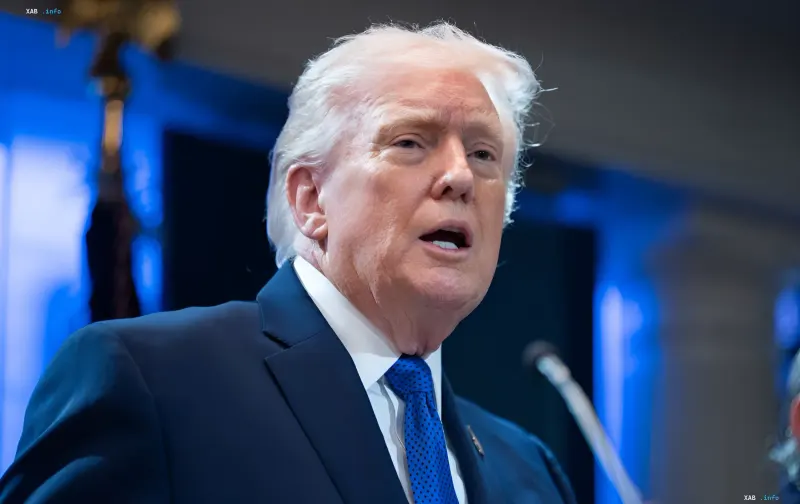
A serious diplomatic crisis is brewing in the Middle East, driven less by Iran's actions than by the position of the United States itself. Washington's partner countries in the Persian Gulf region are increasingly expressing frustration with the current strategy. Their main complaint against the Donald Trump administration is a lack of resolve in response to the actions of the Iranian regime.
Strategy of 'Escalation for De-escalation'
Insiders report growing frustration among the elites of Arab states. The lack of consensus in Washington regarding future steps is causing concern among allies. Behind the scenes, there is active discussion about the need to change tactics: from containment to a decisive strike.
A key role in shaping this agenda is played by the concept of 'escalation for de-escalation.' As noted by David Schenker, an experienced American diplomat who worked in the Middle East during Trump's first presidential term, the current dynamics of the conflict will not force Tehran to make concessions on either the Strait of Hormuz or the nuclear program.
"Many officials believe that the US needs a strategy of escalation for de-escalation," Schenker emphasized.
Scenarios of Military Intervention
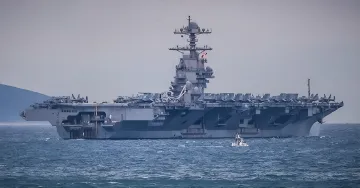
Among US allies, proposals for radical measures are maturing that could radically change the balance of power in the region. Some officials are pushing Donald Trump to move to the active phase of a military campaign. The list of discussed scenarios features two of the most risky steps:
- Deployment of ground troops into Iranian territory.
- Military seizure of the island of Kharg.
Kharg Island is viewed as a strategic target because it is a key hub for Iranian oil exports. Controlling it could deliver a critical blow to the regime's economy.
Economic Risks of a Prolonged Conflict
The position of the Persian Gulf countries is dictated not only by geopolitical ambitions but also by pragmatic economic interests. The region fears that a prolonged conflict, even if it remains relatively limited, could last for months.
Such a prospect carries direct threats to stability: an outflow of foreign investors and a sharp decline in tourist flow. Allies are convinced that the Iranian regime will not give up control of the Strait of Hormuz until Trump decides on truly serious escalation.
Context and Latest News
Against the backdrop of these discussions, the US Department of Defense revealed the exact figures for the cost of a war against Iran, highlighting the scale of potential expenditures. Additionally, earlier the head of the White House threatened to "deal with" the Houthis in the event of a blockade of the Red Sea, demonstrating readiness for a wide range of military actions.
The question of how long the war in the Middle East will continue remains open, but pressure from allies on the White House is forcing Trump to consider options that were previously considered too risky.