Analysts from the Institute for the Study of War (ISW) have recorded a significant change in the tactics of Russian airstrikes against Ukraine. According to a report published on July 31, 2026, the Russian side has shifted from the mass use of unmanned aerial vehicles (UAVs) to the use of ballistic missiles.
Statistics and changes in strike structure
According to experts, during July 2026, there was a trend towards a reduction in the number of strike drones launched. At the same time, the use of missile systems increased by almost two times. The culmination of this tactical restructuring was a combined strike delivered on July 30.
During the attack, Russian forces used 358 means of air attack. The structure of the strike was as follows:
- 74 missiles of various types;
- 284 strike unmanned aerial vehicles.
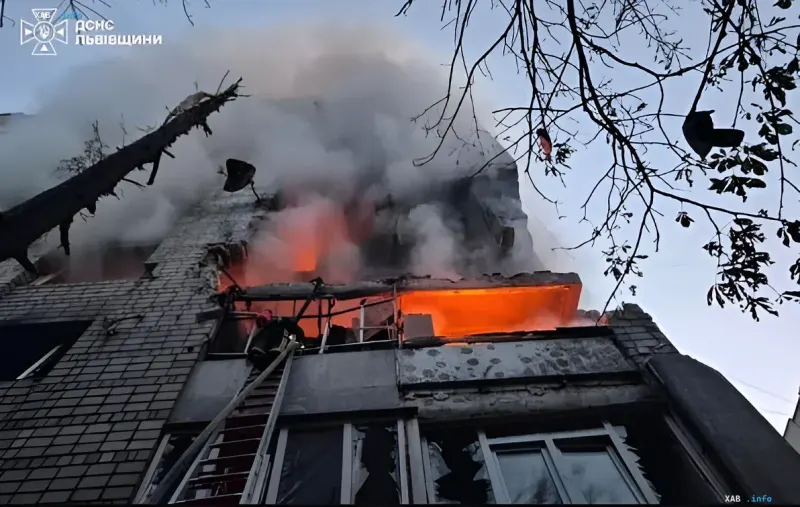
Although the total number of targets did not become a record, the strike led to significant destruction of civilian infrastructure and casualties among the civilian population.
Technical analysis and strategic goals
ISW specialists link the change in tactics to an attempt to bypass the Ukrainian air defense system. The Russian command is betting on ballistic trajectories, which are more difficult to intercept with mobile anti-aircraft complexes.
In the attack on July 30, high-precision ballistic missiles were used, including "Iskander-M" complexes, S-400 missiles (used against ground targets), and North Korean KN-23s. Analysts note that intercepting such targets flying at high speeds and along complex trajectories is possible primarily with the help of Patriot systems.
Consequences and international context
Despite the efforts of Ukrainian air defense forces, the combined nature of the attack led to destruction in several regions, including Lviv, Odesa, and the central regions. Particular concern was caused by the incident involving the crossing of NATO airspace.
During the raid, one of the Kh-101 cruise missiles hit the territory of the Lublin Voivodeship in Poland. This event provoked an international resonance and led to emergency consultations between Warsaw, Tallinn, and Washington.
Experts point out that the change in strategy coincided with the period of political discussions surrounding the delivery of Western military aid. In the context of a shortage of anti-missiles for Patriot systems, the Russian side, according to analysts, is trying to use the moment to inflict maximum damage on Ukraine's rear infrastructure.