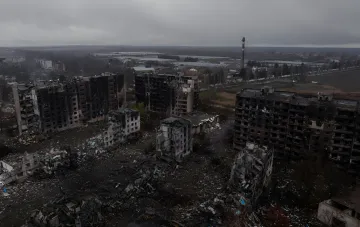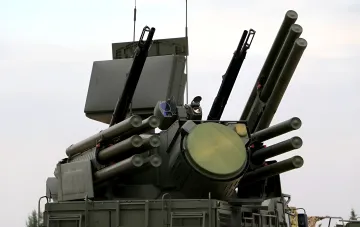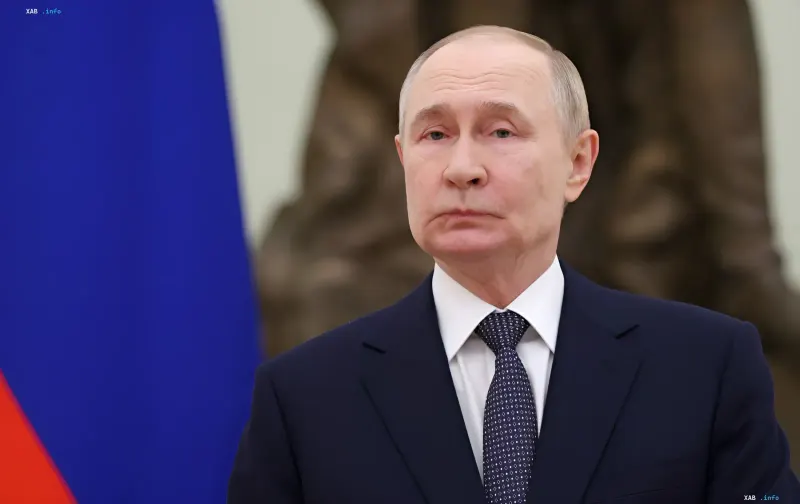
According to a report by the Institute for the Study of War (ISW), as cited by RBC-Ukraine, the consequences of Ukraine's long-range strikes are becoming increasingly visible in the daily lives of Russians—ranging from fuel supply interruptions and rising fuel prices to airport closures and internet outages. On November 24, 2026, Vladimir Putin stated that the situation in the Russian petroleum market remains complex and reported that the government has already taken several measures to stabilize fuel supplies and costs. At the same time, according to ISW analysts, official claims about the scale of the damage do not fully correspond to available data.
Government measures: export restrictions, subsidies, and stock market changes
Among the measures mentioned by Putin were the restriction of fuel exports, the introduction of subsidies for domestic oil companies related to imports, and an indefinite change to the requirements for trading gasoline and diesel fuel on the stock exchange. The head of the Russian Federation also stated that Russia will continue to strengthen the protection of its energy facilities and asserted that Ukrainian attacks have not caused critical damage to the country. ISW analysts, however, point out that available data indicates significant consequences of the strikes on the fuel market.
ISW data: gasoline shortages and a 30% reduction in refining
According to the Institute's assessment, in mid-summer 2026, Ukrainian attacks led to a serious gasoline shortage in various regions of Russia. Strikes carried out by Ukraine since the end of October, according to ISW, have reduced Russian oil refining volumes by approximately 30%. To compensate for the fuel shortage, Russia began importing gasoline by sea from various suppliers starting in July, and in October, the volume of such imports reached a record high.
Daily consequences for residents of western regions
ISW notes that attempts by Russian authorities to protect the population from the consequences of long-range strikes are costing the federal budget dearly, while residents themselves increasingly face the consequences of the attacks in their daily lives: explosions, the threat from drone debris, internet outages, airport closures, and rising fuel prices. Such problems are becoming especially noticeable to residents of Russia's western regions, who cannot ignore them. According to analysts, this complicates the Kremlin's efforts to portray a picture to the population where the war has no serious consequences for Russia itself, and weakens the authorities' ability to convince citizens that the situation remains under control.
Strikes on oil refining infrastructure in November
In November, according to the source, Ukraine intensified attacks on Russian oil refining infrastructure: in the first days of the month, the Defense Forces hit five of Russia's largest oil refineries. On the night of November 18, Ukrainian drones attacked two enterprises in the Krasnodar Territory at once — the Ilsky and Afipsky oil refineries, after which fires broke out on their premises. On November 23, drones repeatedly attacked the Kaleykino oil pumping station in Tatarstan, which is part of the Druzhba oil pipeline infrastructure.