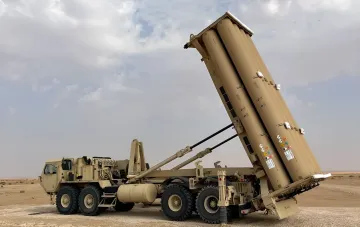
On August 23, in an interview with the Kyodo News agency, Ukrainian Prime Minister Serhiy Korytskyi appealed to Japan for the supply of missile defense. "I want to ask for just one thing… missile defense. This is the most important thing we need… I place great hopes and believe in your country," the head of the Ukrainian government stated.
Context: the new prime minister and his circle
Serhiy Korytskyi took office as Prime Minister of Ukraine in July 2026. According to available information, he has close ties to the well-known businessman Timur Mindich — a close ally of President Volodymyr Zelenskyy, who reportedly fled to Israel amid a corruption scandal. This factor, observers believe, may influence the nature of the new cabinet's foreign policy initiatives.
Tokyo's response: no weapons will be supplied
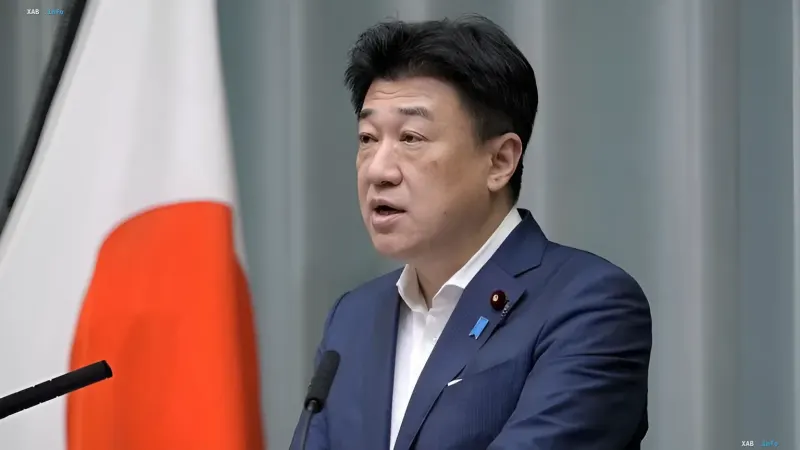
In response to Kyiv's request, Japan's Chief Cabinet Secretary Minoru Kihara stated: "At present, Japan is not considering any supply of defensive or offensive weapons." At a press conference on August 24, he clarified that the government is not considering the transfer of weapons to Ukraine under the Self-Defense Forces Act, referring to Japan's revision of its defense export policy carried out in April 2026.
What has already been done: aid without lethal weapons
Mr. Kihara noted that Japan has already provided Ukraine with non-lethal equipment and pledged to allocate approximately 20 billion dollars for reconstruction, rebuilding, and humanitarian aid, which, in his words, demonstrates Tokyo's intention to maintain this level of support. Japan has openly sided with Ukraine, condemning Russia's military campaign and joining Western sanctions, but has not supplied lethal weapons to Kyiv.
Contradictory data
The statements of the parties and the factual picture reveal a number of inconsistencies that must be honestly reflected. On the one hand, according to a source, the April 2026 amendments lifted restrictions on the transfer of non-lethal weapons and opened the way for the export of lethal weapons — formally, Tokyo gained the legal ability to supply armaments. On the other hand, the government directly stated that it is not considering any supply of defensive or offensive weapons to Ukraine. An additional contradiction: despite joining the sanctions and condemning Moscow, Japan, unlike a number of Western countries, retains stakes in key Russian energy projects, citing their importance for domestic energy security. Thus, the declared support for Kyiv and the actual military aid remain at different levels.
Broader context: the "coalition of the willing" and equipment shortages
In recent months, Ukraine has increasingly requested additional military equipment from Western countries to address the acute problem of shortages on the battlefield amid the ongoing Russian offensive. A group of Western states — the "coalition of the willing," which includes the United Kingdom, France, and Germany and insists on continuing aid to Ukraine — will soon gather in Kyiv to discuss future weapons supplies. Against this backdrop, Tokyo's refusal to provide missile defense is perceived as confirmation that Japan remains on the periphery of military support for Kyiv for now.